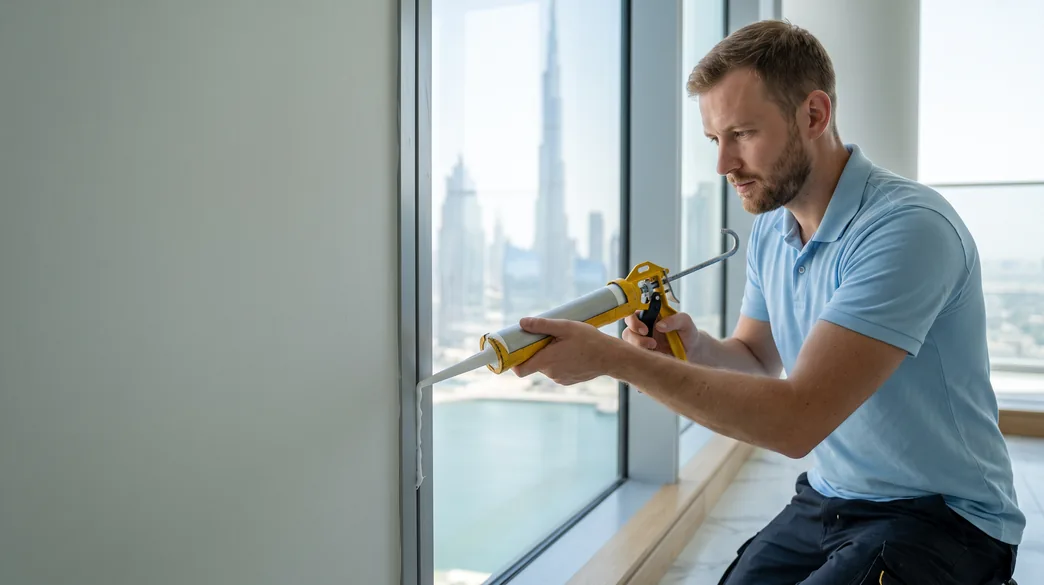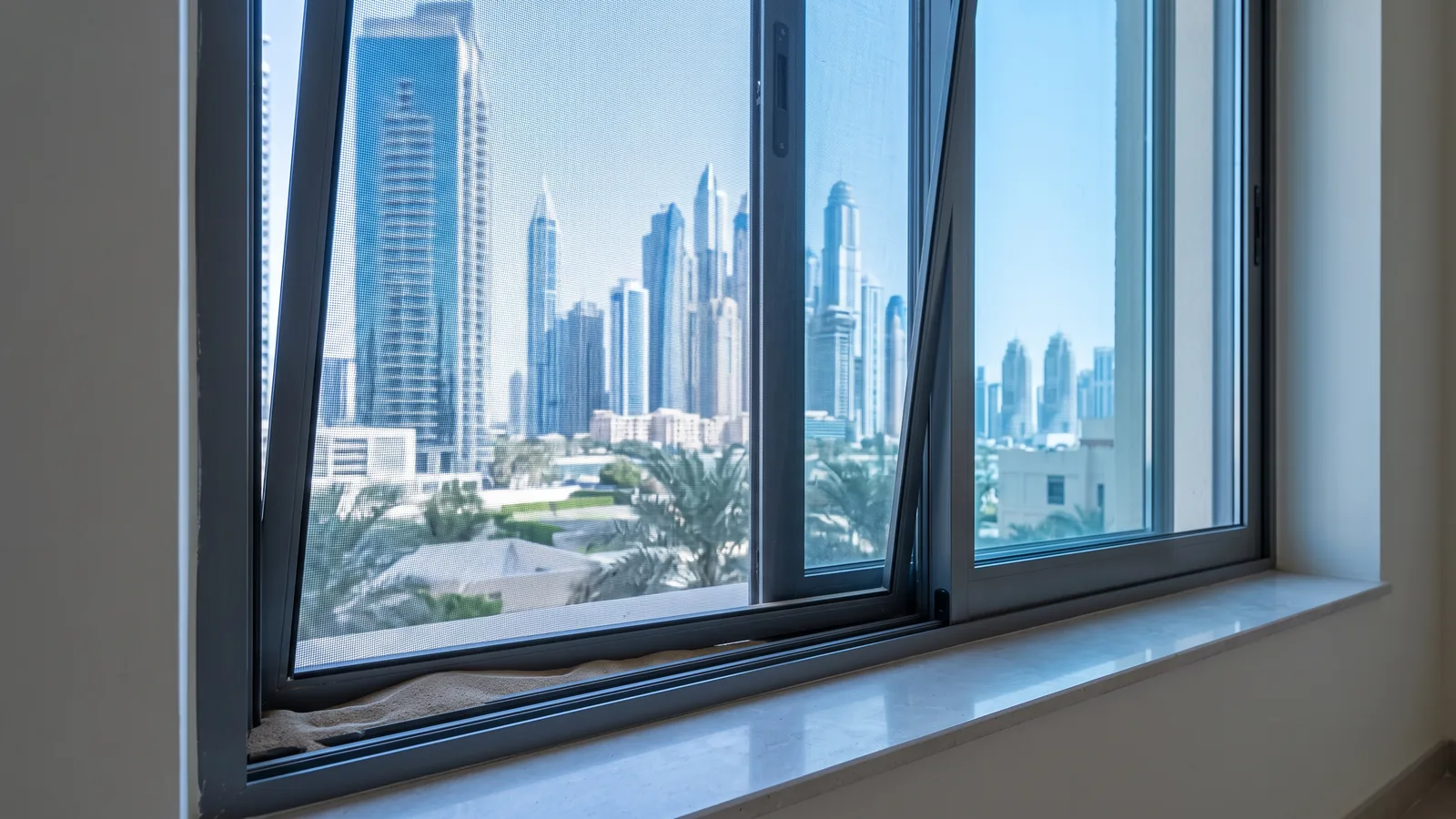





Both acoustic glass and secondary glazing make a noisy Dubai home quieter, but they do it differently. Acoustic glass replaces your existing pane with a special laminated glass that vibrates less, keeping the slim single-window look. Secondary glazing adds a second glazed panel on the inside of your window with an air gap between the two, which is stronger against deep, low-frequency noise and is fully reversible. The right choice comes down to how heavy your noise is, whether it is low-frequency traffic, and what your building and tenancy allow.
If you want the short version: for a smart, permanent upgrade where the building rules permit, acoustic glass is elegant and effective. For the toughest low-frequency noise, or when you rent and need something reversible, secondary glazing usually wins. Here is how they actually compare.
How each one works
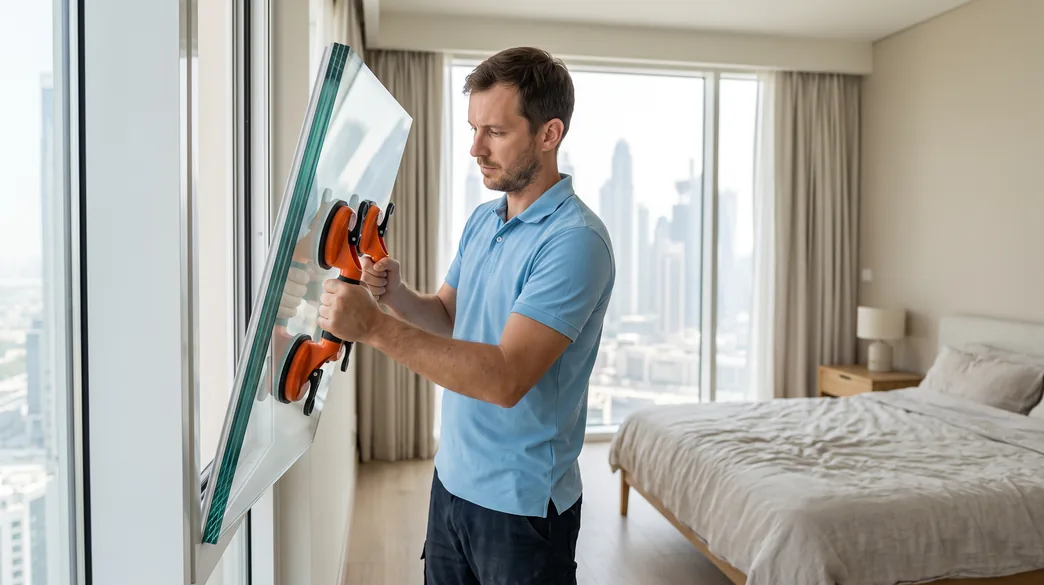
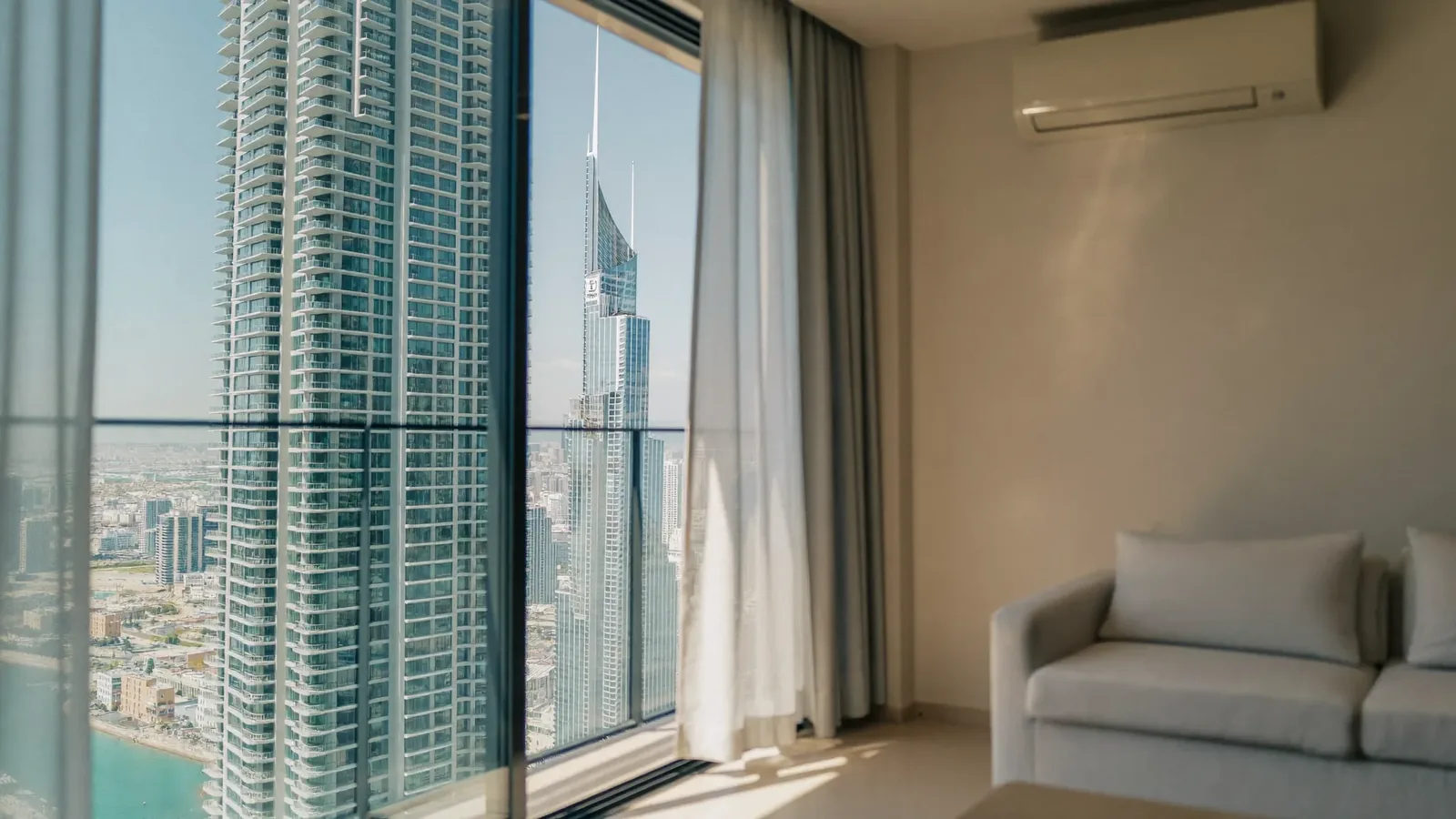
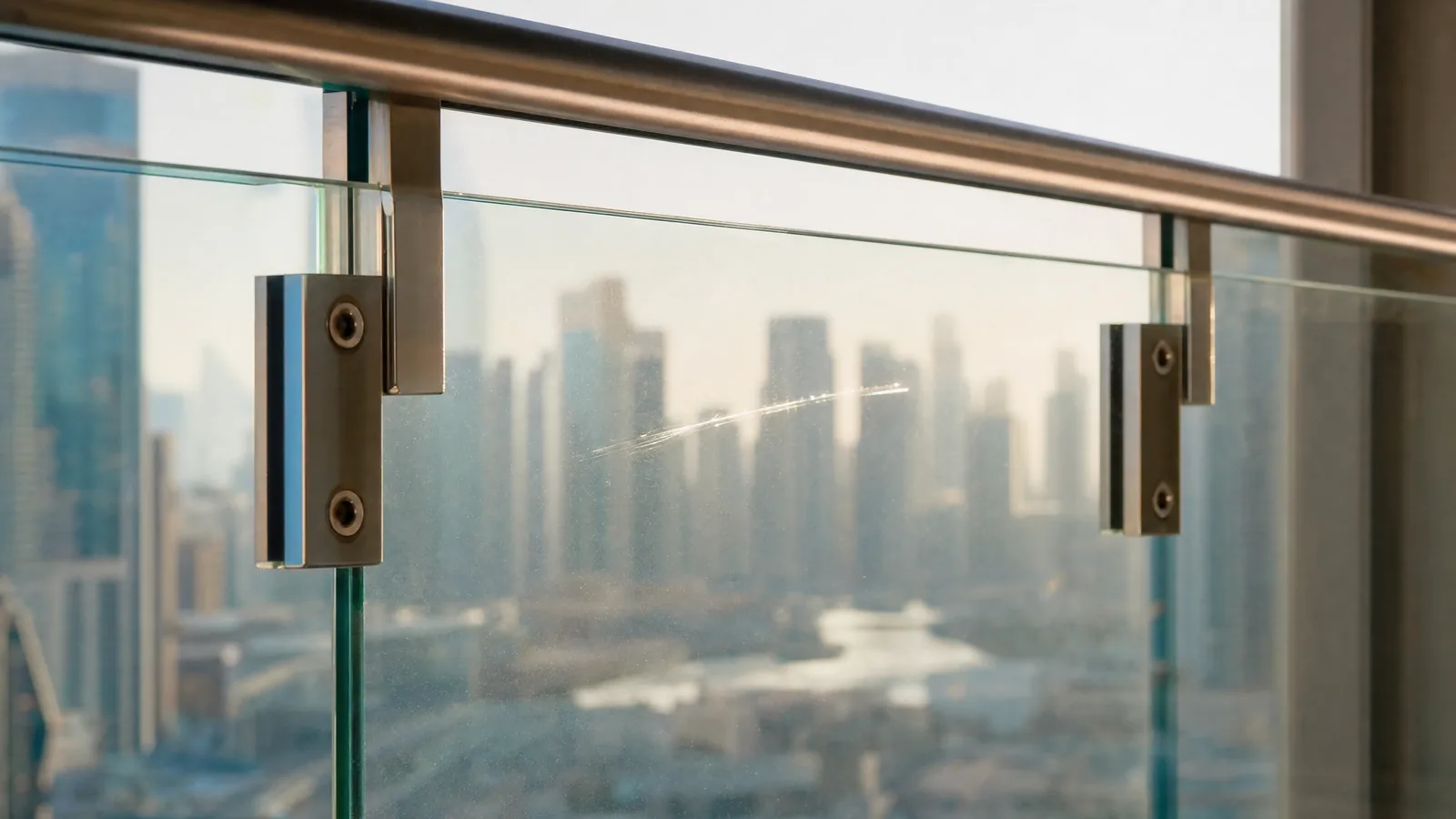
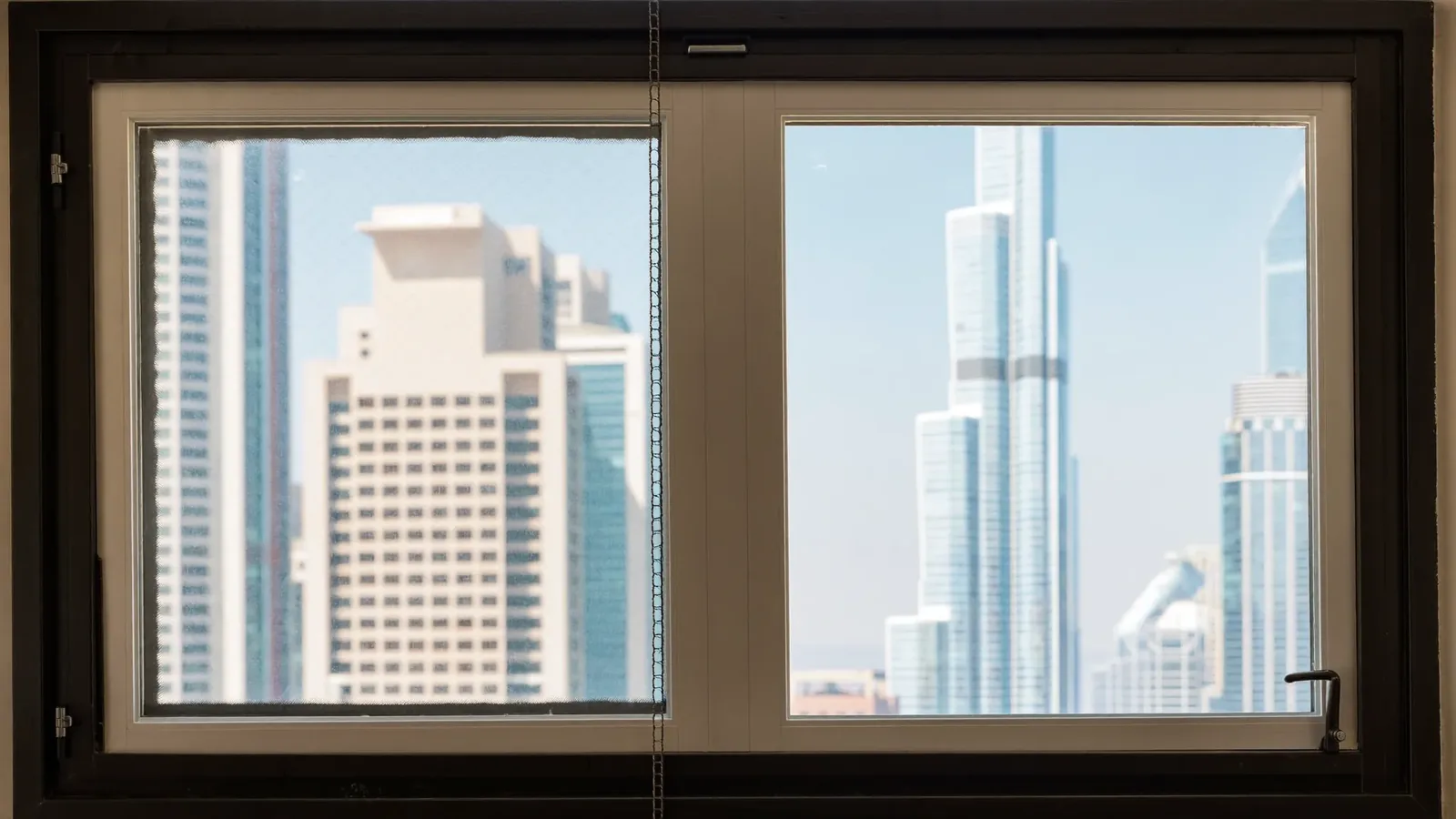
Acoustic glass is laminated glass: two sheets bonded together with a special acoustic interlayer in between. That interlayer damps the vibration of the pane, so instead of the glass acting like a drum and re-radiating outside noise into the room, much of the sound energy is absorbed. It fits into your existing frame in place of the old glass, so from inside and out the window looks normal, just quieter.
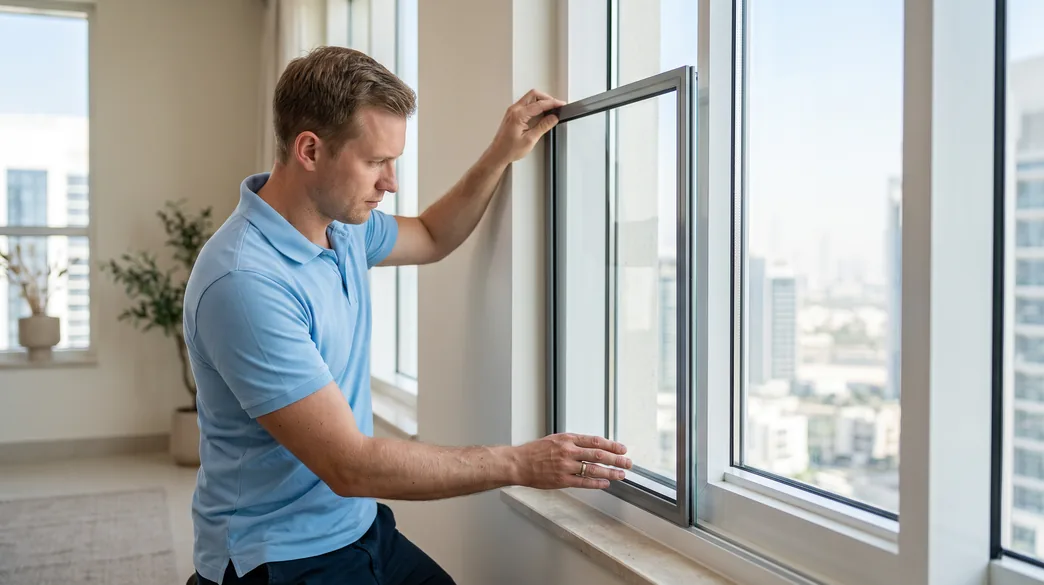
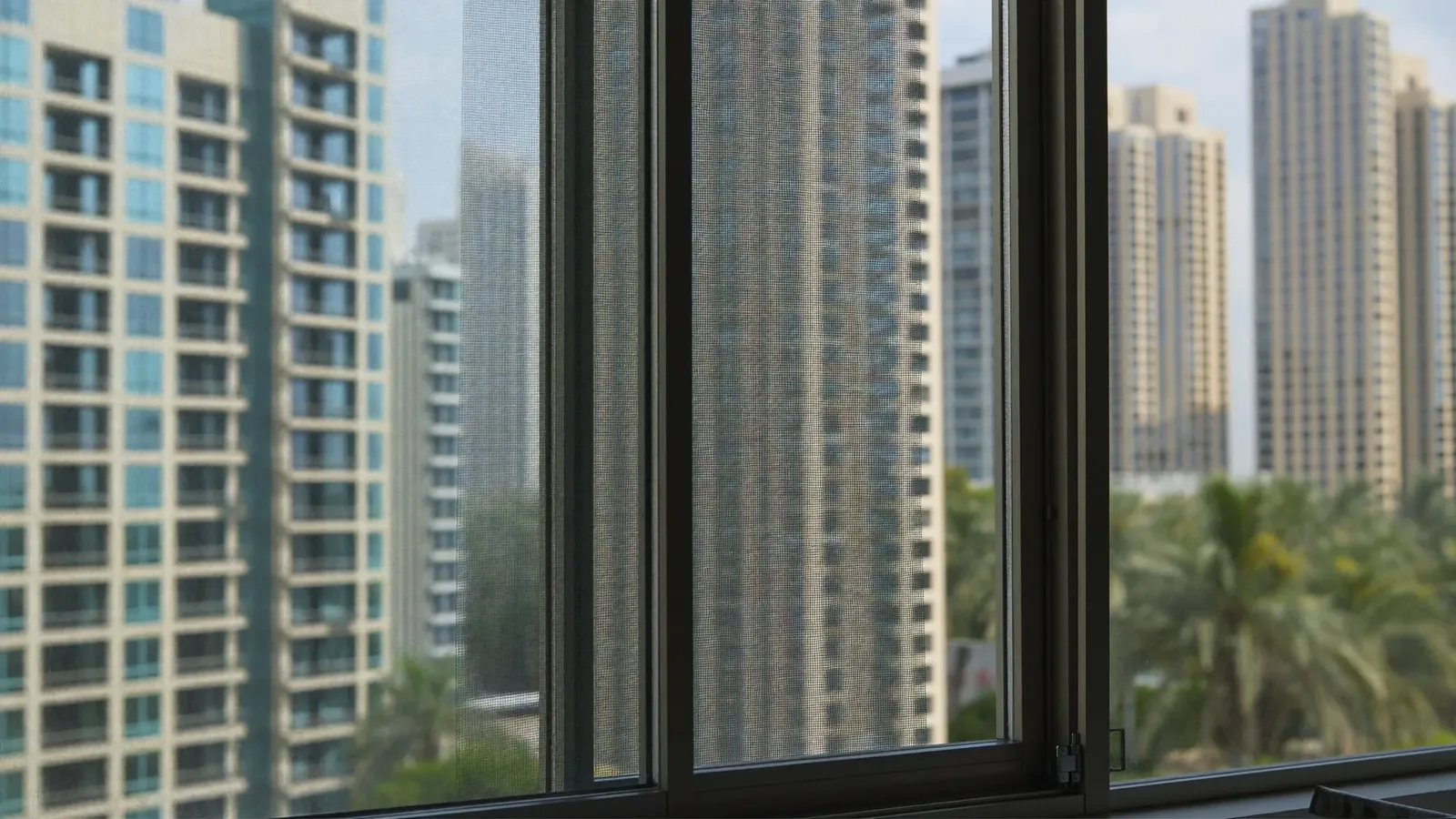
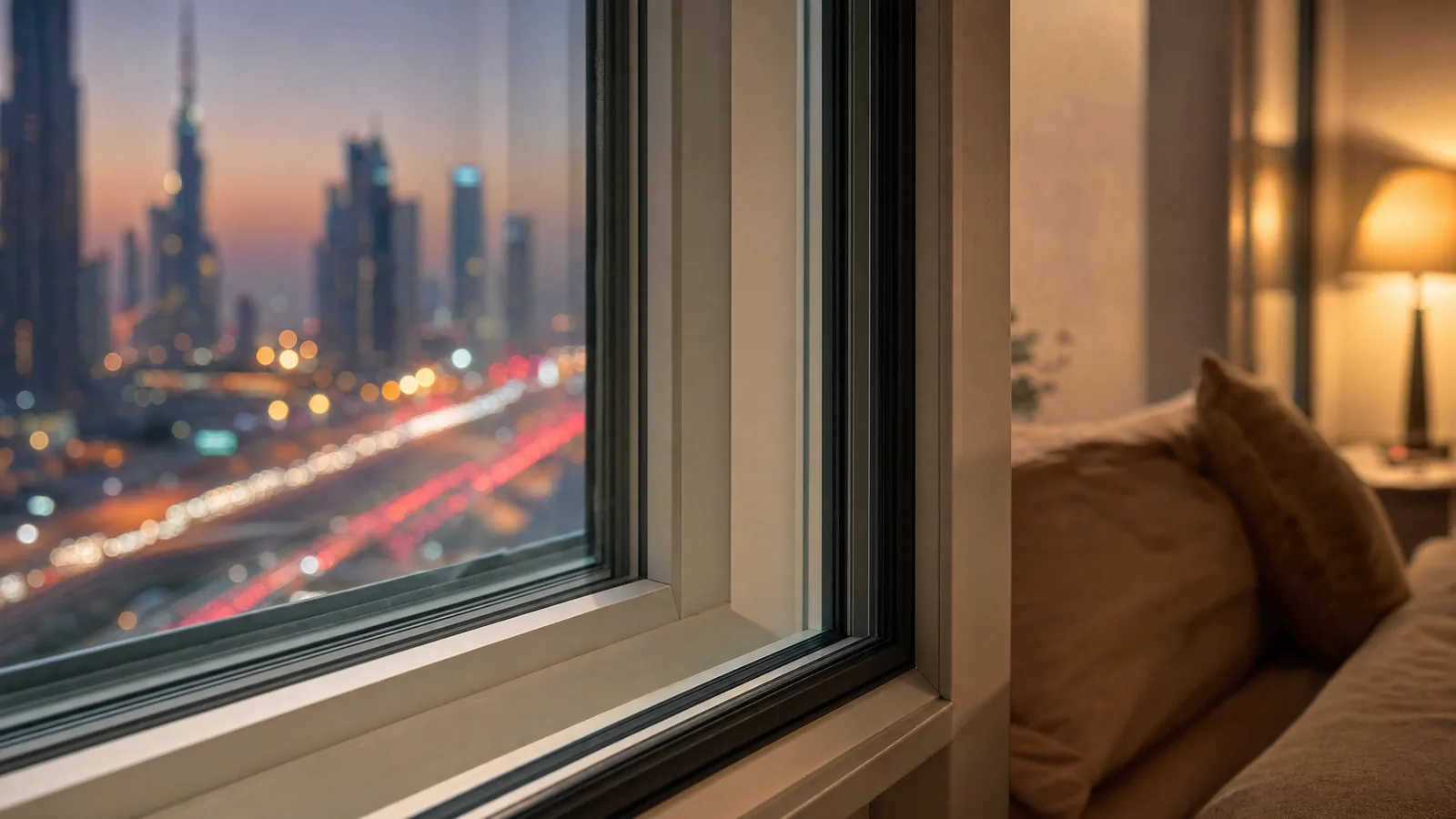
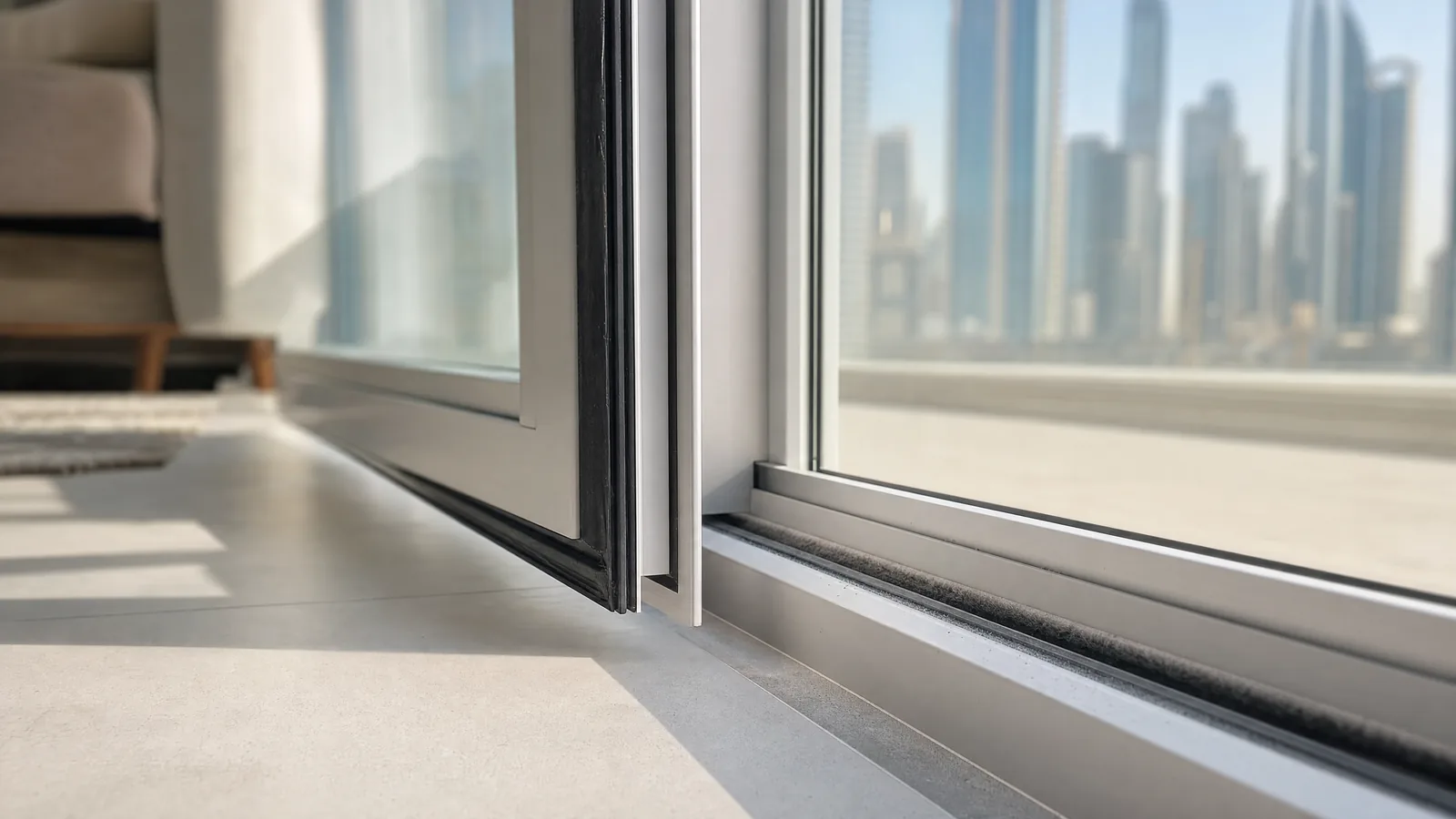
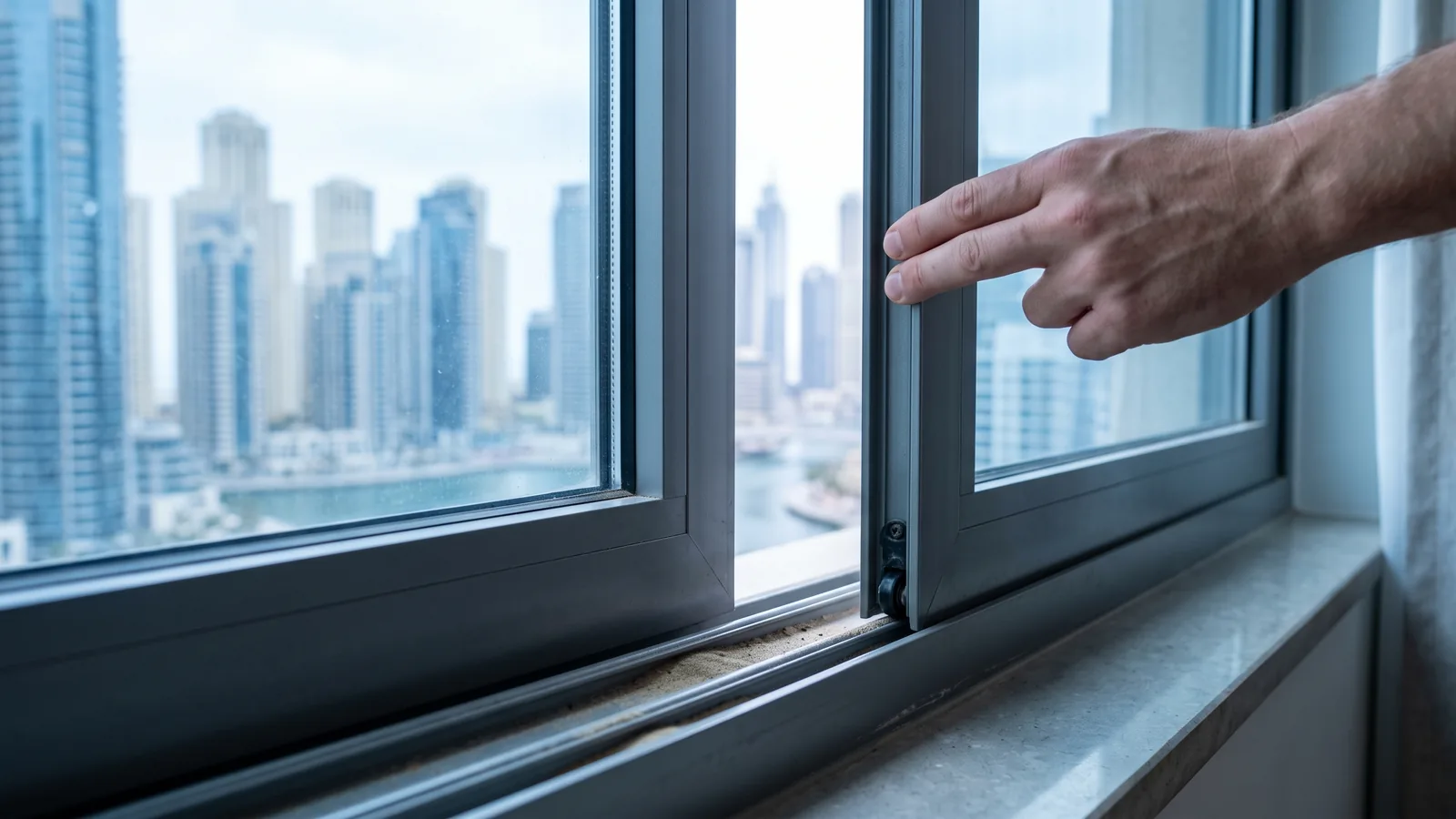
Secondary glazing leaves your existing window exactly where it is and adds a second, independent glazed panel on the room side, with a deliberate air gap between the two layers. That gap is the whole trick. Two panes separated by a pocket of air break the path that sound takes far better than a single glazed layer can, and the wider the gap, the better it handles low frequencies. It is fitted from inside and can be removed later.
The comparison
| Factor | Acoustic glass | Secondary glazing |
|---|---|---|
| How it works | Laminated pane with a sound-damping interlayer | Second inner panel with an air gap to the existing window |
| Best against | Traffic and general noise, broad range | Low-frequency traffic and construction, the toughest cases |
| Low-frequency traffic rumble | Very good | Strongest, thanks to the air gap |
| Look | Slim, single window, unchanged appearance | Adds a discreet inner panel indoors |
| Facade impact | None, fits existing frame | None, fitted inside |
| Reversibility | Permanent glass change | Reversible, can be removed |
| Best for tenants | If the owner approves a glass change | Ideal, removable at end of lease |
| Cost logic | One made-to-measure glass swap per window | An added inner system, but no glass swap |

Which is better for low-frequency Dubai traffic noise?
This is the deciding question for most Dubai homes near a highway or main road, because traffic rumble is low-frequency and low-frequency noise is the hardest to stop. It needs either a lot of mass or separation between two layers, and separation is the more efficient route.
Secondary glazing has the edge here because of that air gap. The distance between your existing window and the added inner panel disrupts low-frequency sound in a way a single glazed layer, even a good laminated one, cannot fully match. If your main complaint is the deep, constant drone of Sheikh Zayed Road or a nearby flyover, secondary glazing is usually the stronger performer, and for the worst cases some homes use it together with an upgraded glass.
Acoustic glass still cuts traffic noise substantially and across a broad range, and for many rooms it is more than enough. It becomes the natural pick when you want the noise down without adding a visible inner panel, and when the building allows the glass to be changed.
Tower and facade constraints
Dubai apartments almost always come with a rule that the building facade must look uniform, so you cannot change how the window appears from outside. Both options respect this: acoustic glass is invisible from the street because it fits your existing frame, and secondary glazing sits entirely indoors. Neither alters the facade.
Where the difference bites is permission and tenancy. Swapping to acoustic glass is a permanent change to the glass, so a tenant would need the owner's agreement, and some owners associations want changes cleared even when they are invisible. Secondary glazing changes nothing about the original window and can be taken out again, which tends to sail through both tenancy and building rules. If you own your home, you have a free choice; if you rent, reversibility often decides it.
Reversibility, and why it matters
If there is any chance you will move, or you rent, reversibility is a real consideration. Secondary glazing unclips and comes away cleanly, leaving your original window untouched, so you can take the benefit with you or hand back the property exactly as it was. Acoustic glass is a permanent improvement to that window; it stays with the property. For an owner planning to stay, permanent is fine and even a selling point. For a tenant or someone likely to relocate, removable is the safer money.
Getting the right one for your room
The honest answer for most homes is that it depends on the specific room, the noise outside it, and your building, which is why we look before recommending. We are based in Al Barsha and reach most of Dubai in around 30 minutes, and we give a free on-site fixed quote after checking exactly what noise you are dealing with. Our full approach, including sealing the gaps first, is on the window soundproofing in Dubai page, with detail on acoustic glass in Dubai and secondary glazing in Dubai. Every job carries our 2-year warranty and the emergency line is open 24/7 on +971 50 220 6918. Reach us through the contact page, and for more guides see the blog.