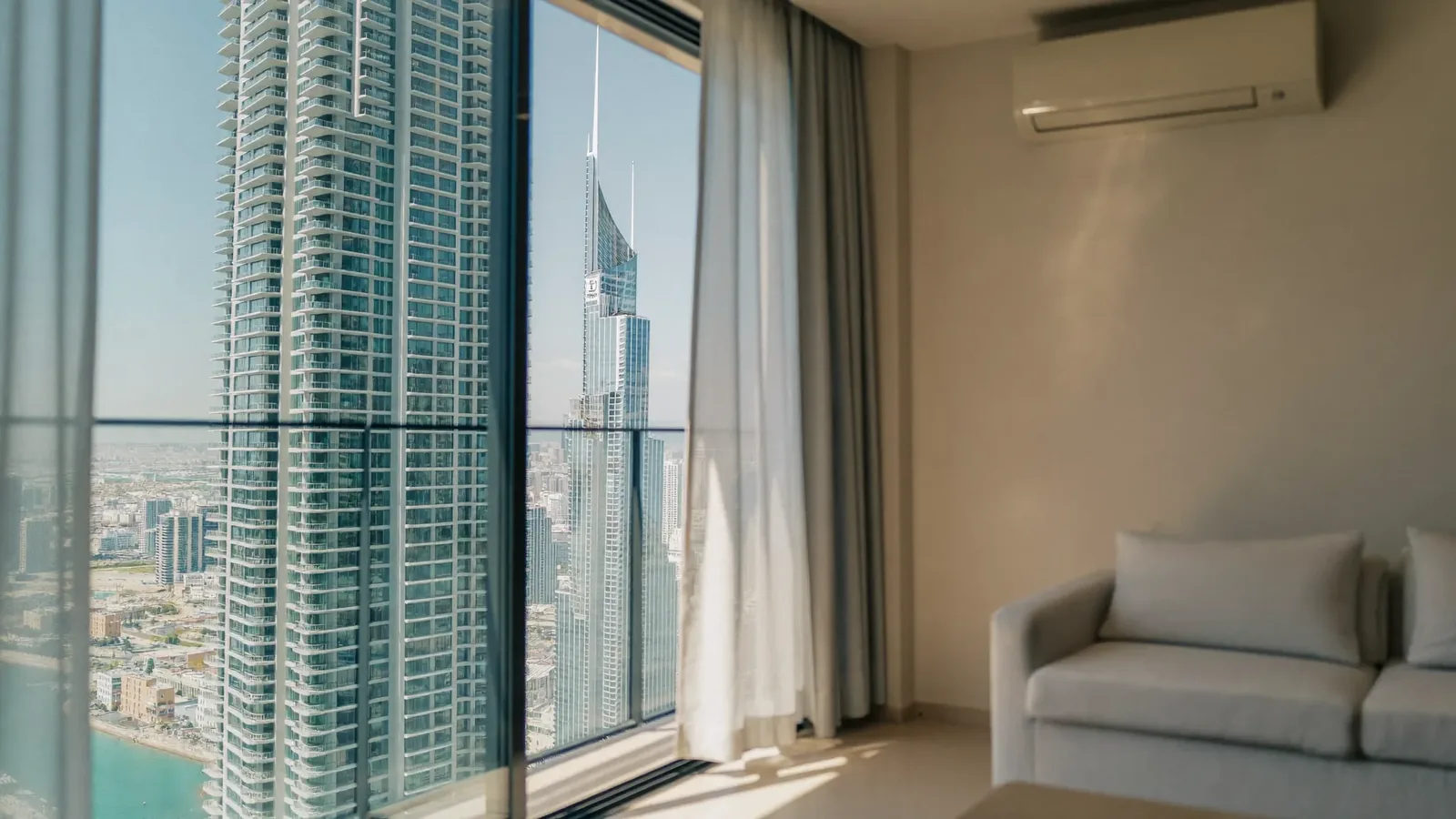





To quieten a noisy Dubai apartment, you deal with two things: the gaps around the window where sound leaks straight in, and the glass itself, which lets low-frequency traffic rumble pass through. Seal the gaps first, then upgrade the glass path with acoustic glass or a secondary glazing layer, and a busy street-facing room can drop by up to 45 dB. That is the difference between constant background roar and a room you can sleep in.
Apartment living adds a catch: you often cannot change the building's external windows because of the facade rules or your tenancy. The good news is that the most effective apartment solutions are reversible and fitted from inside, so you can cut the noise without touching the tower's outside look or losing your deposit.

Where the noise actually gets in
Sound reaches you two ways, and treating the wrong one wastes money.
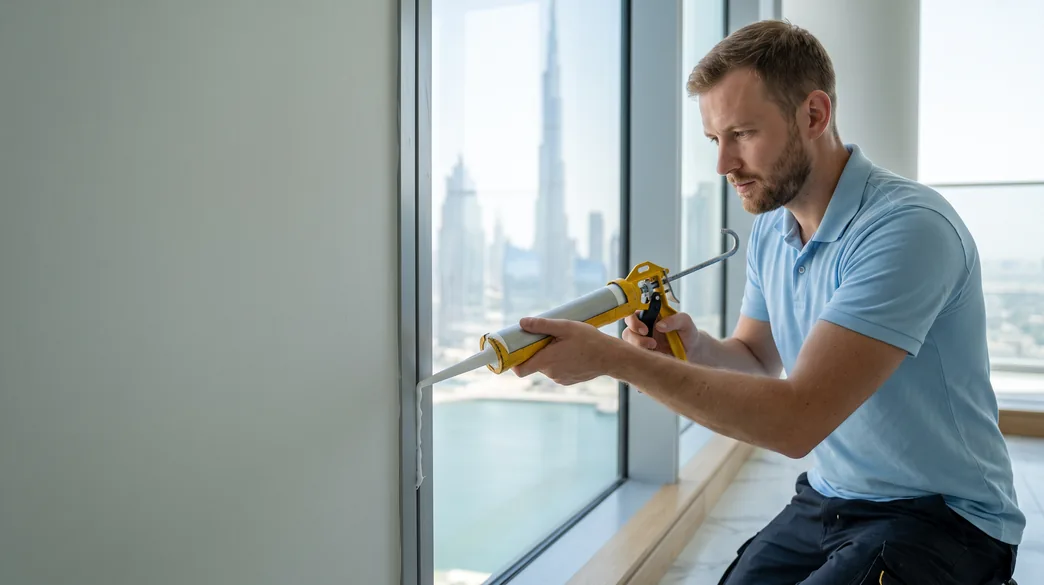
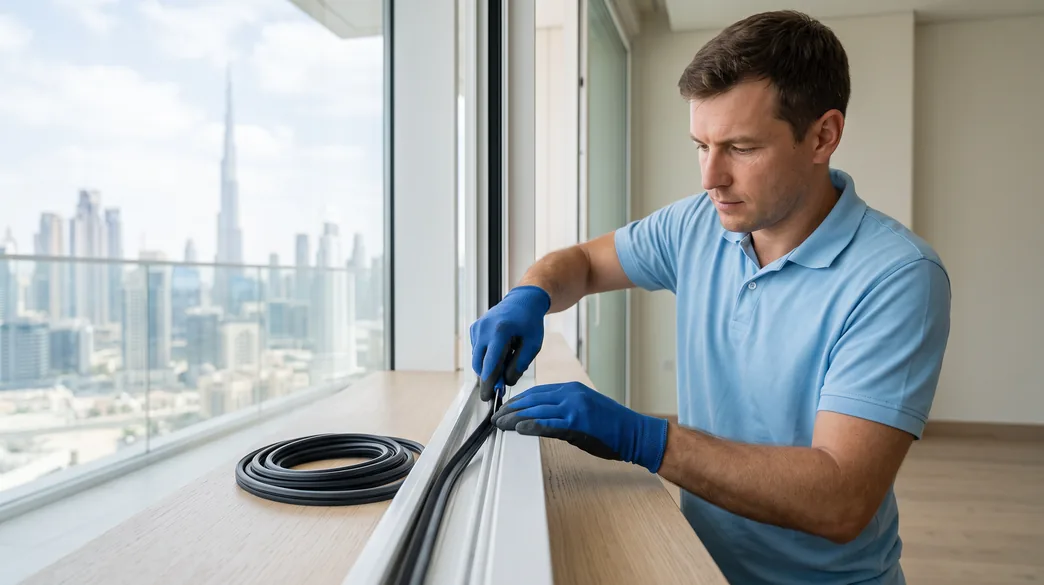
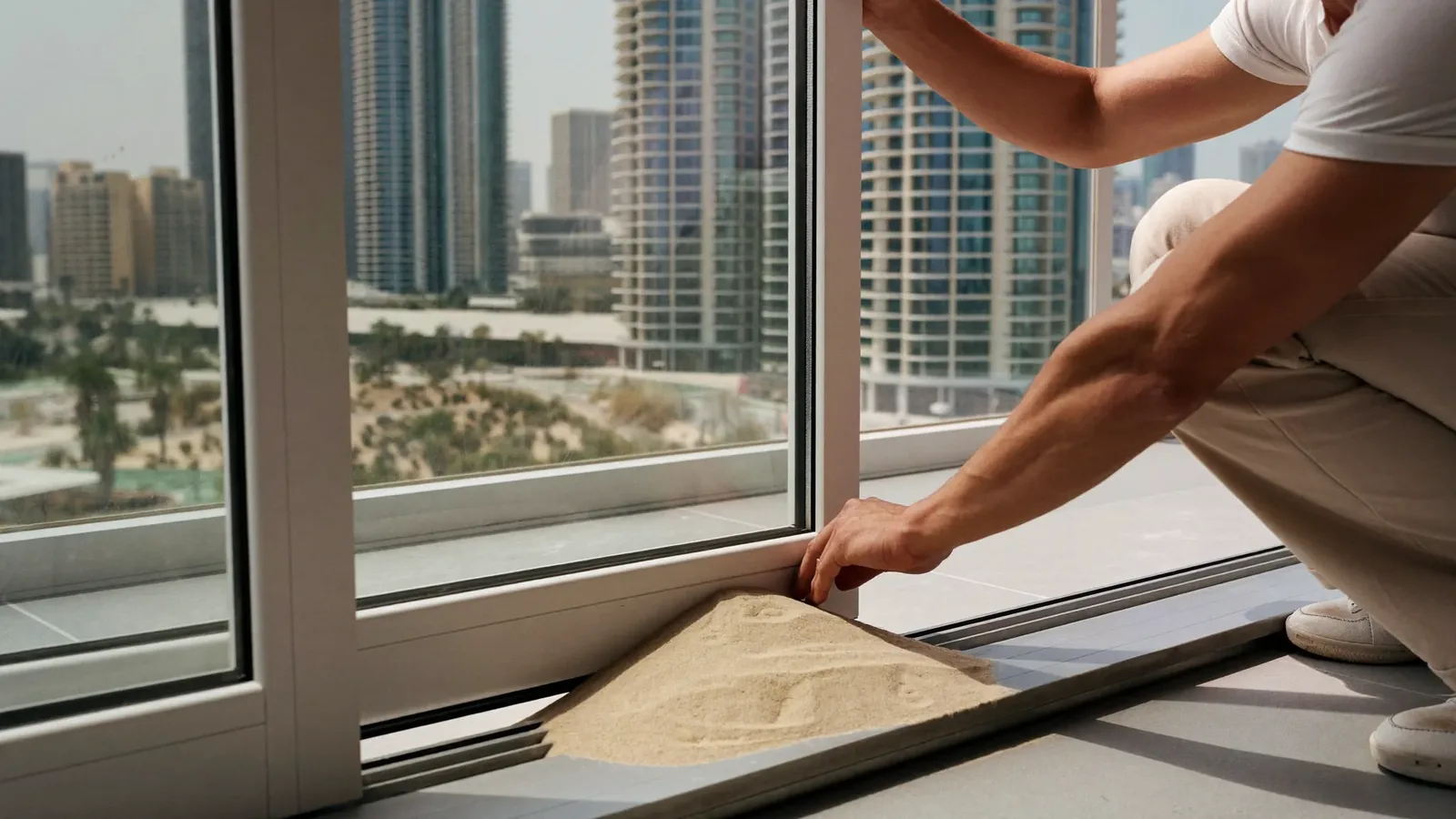
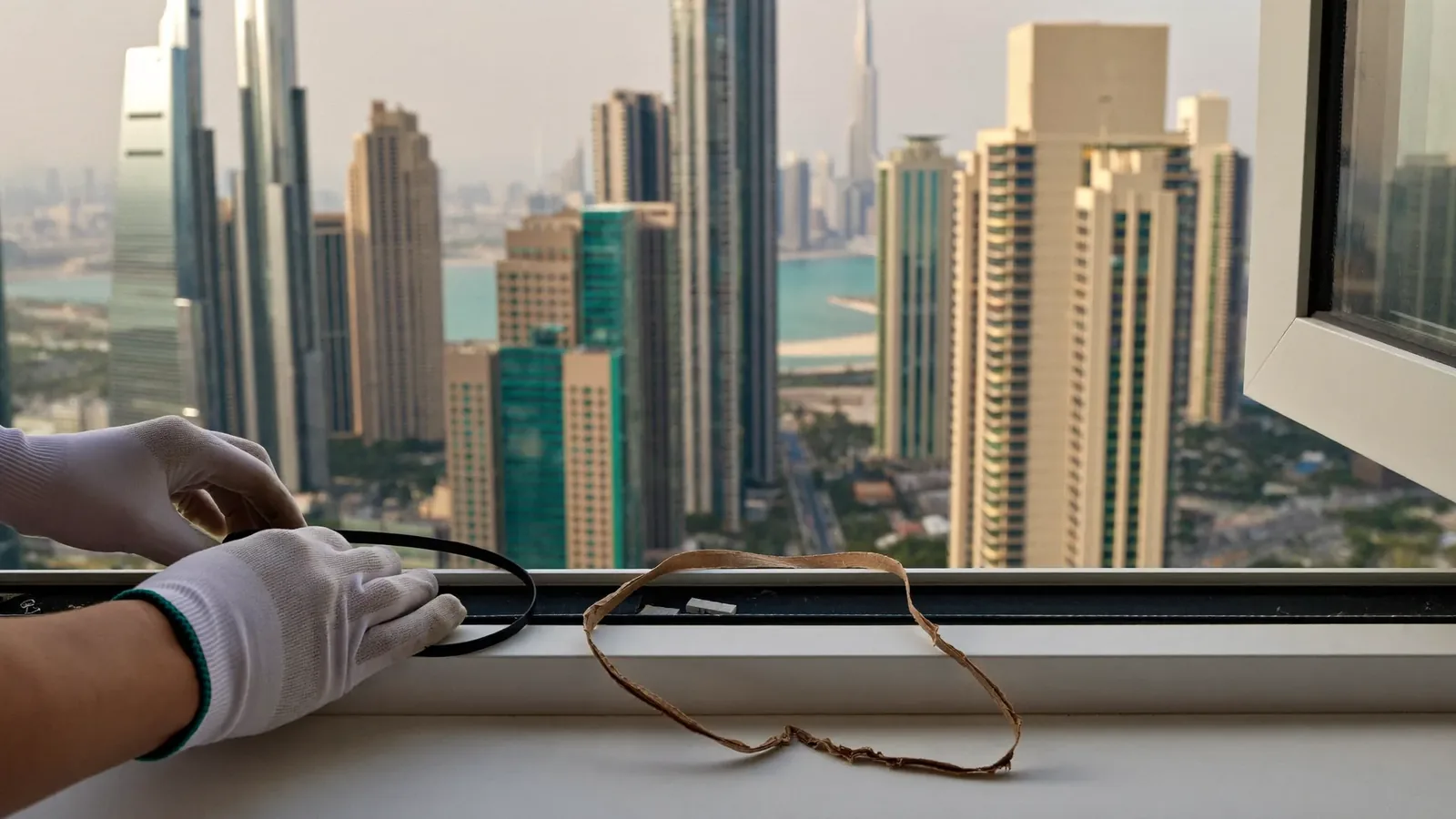
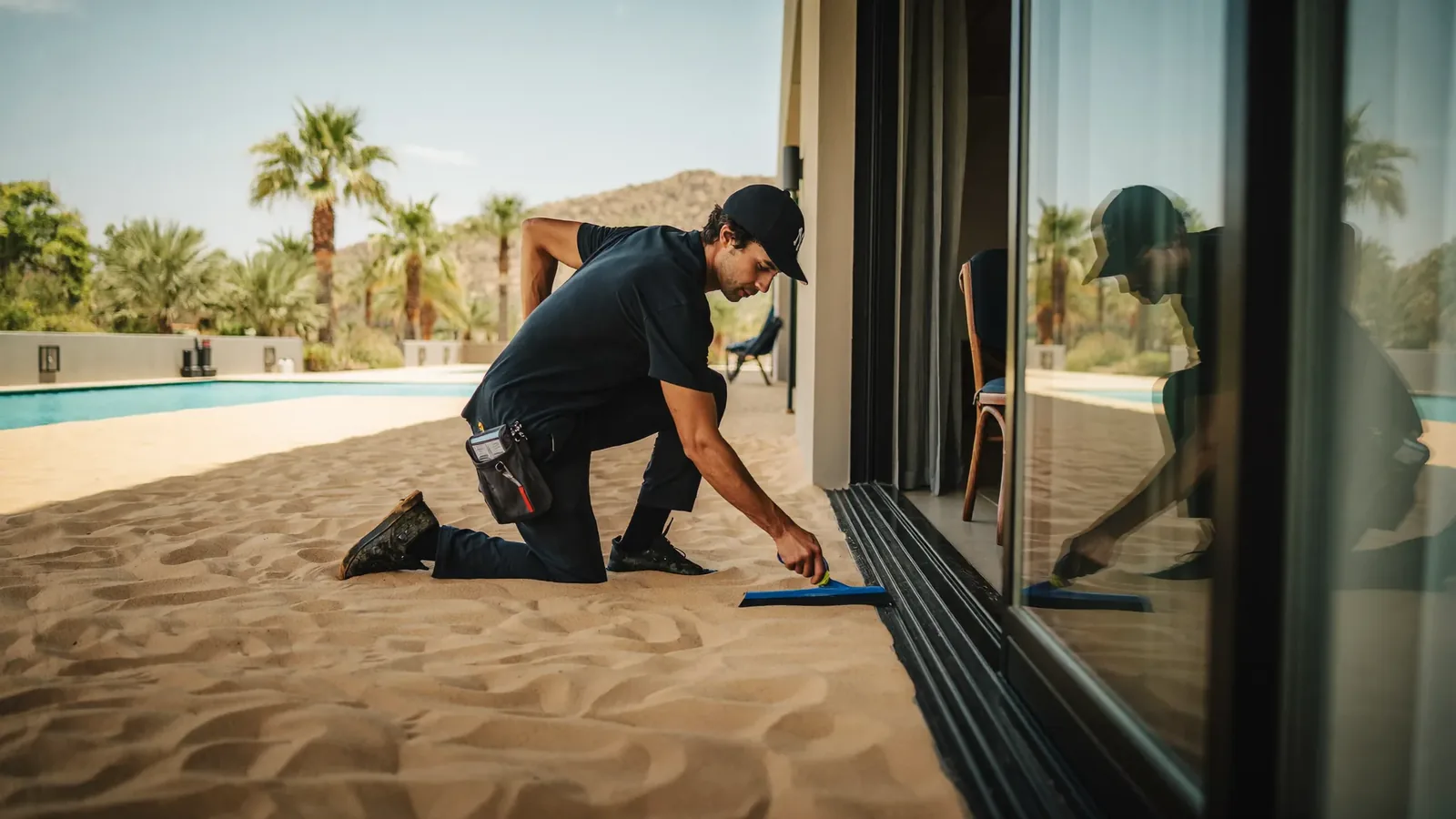
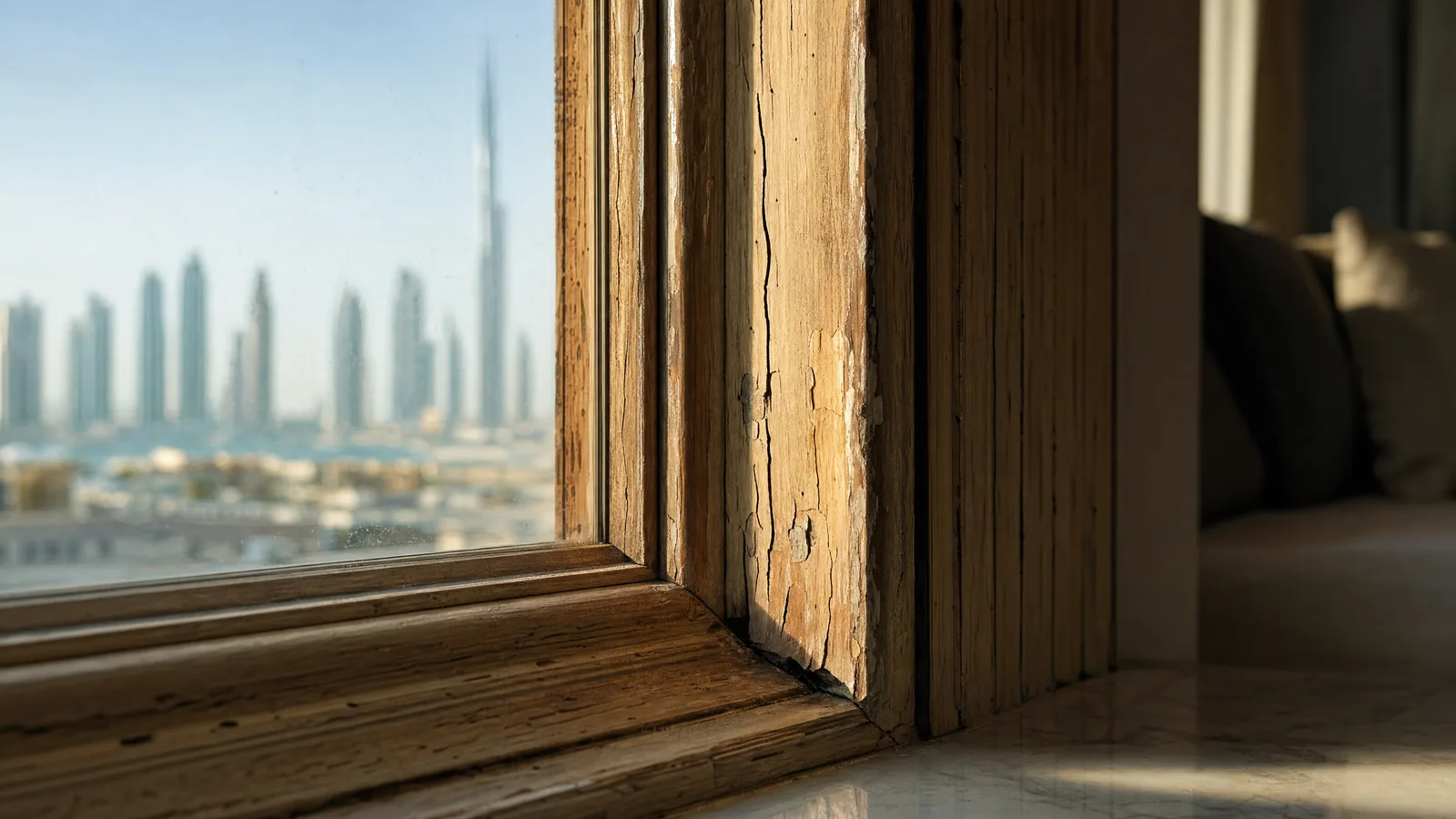
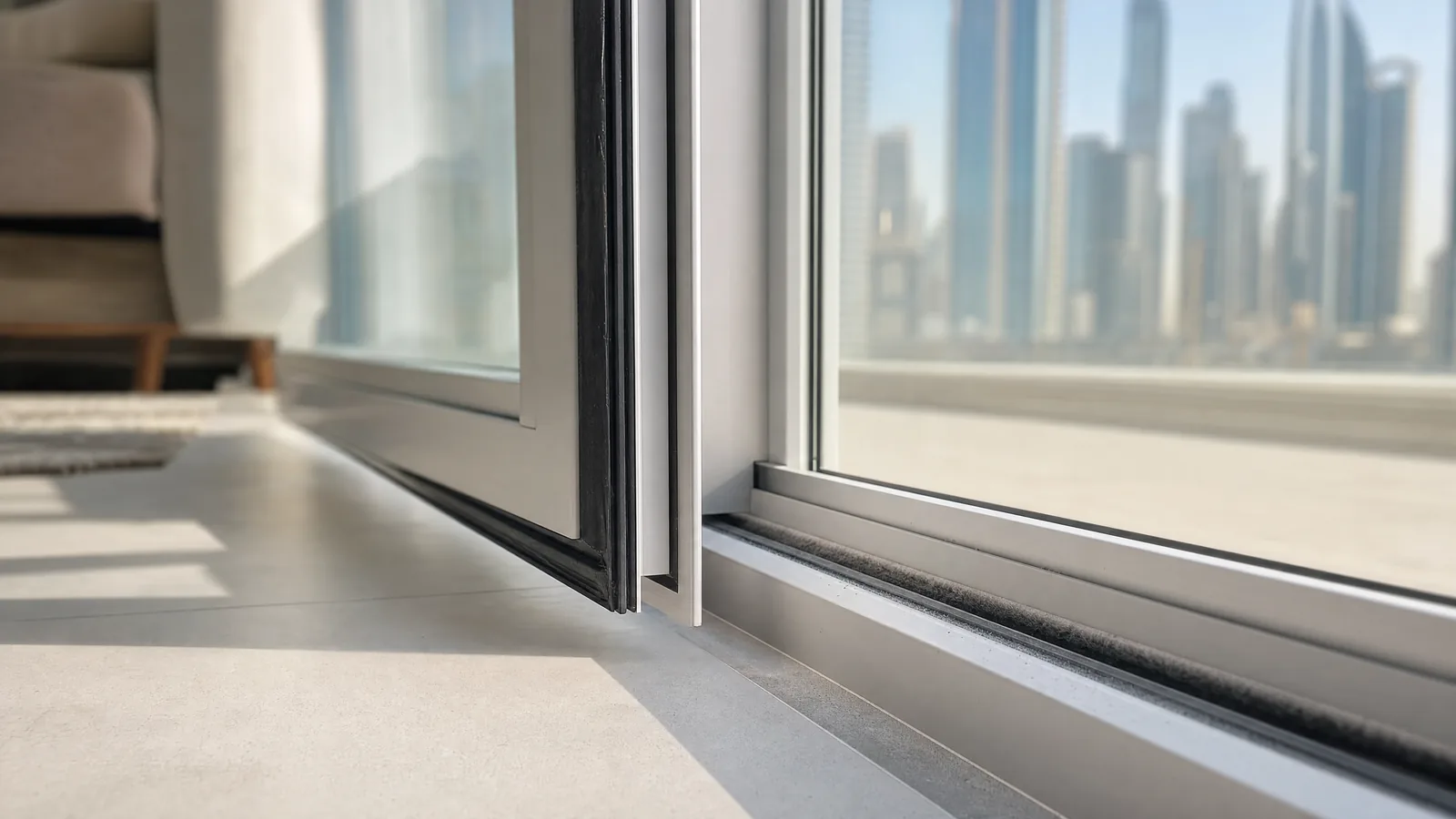
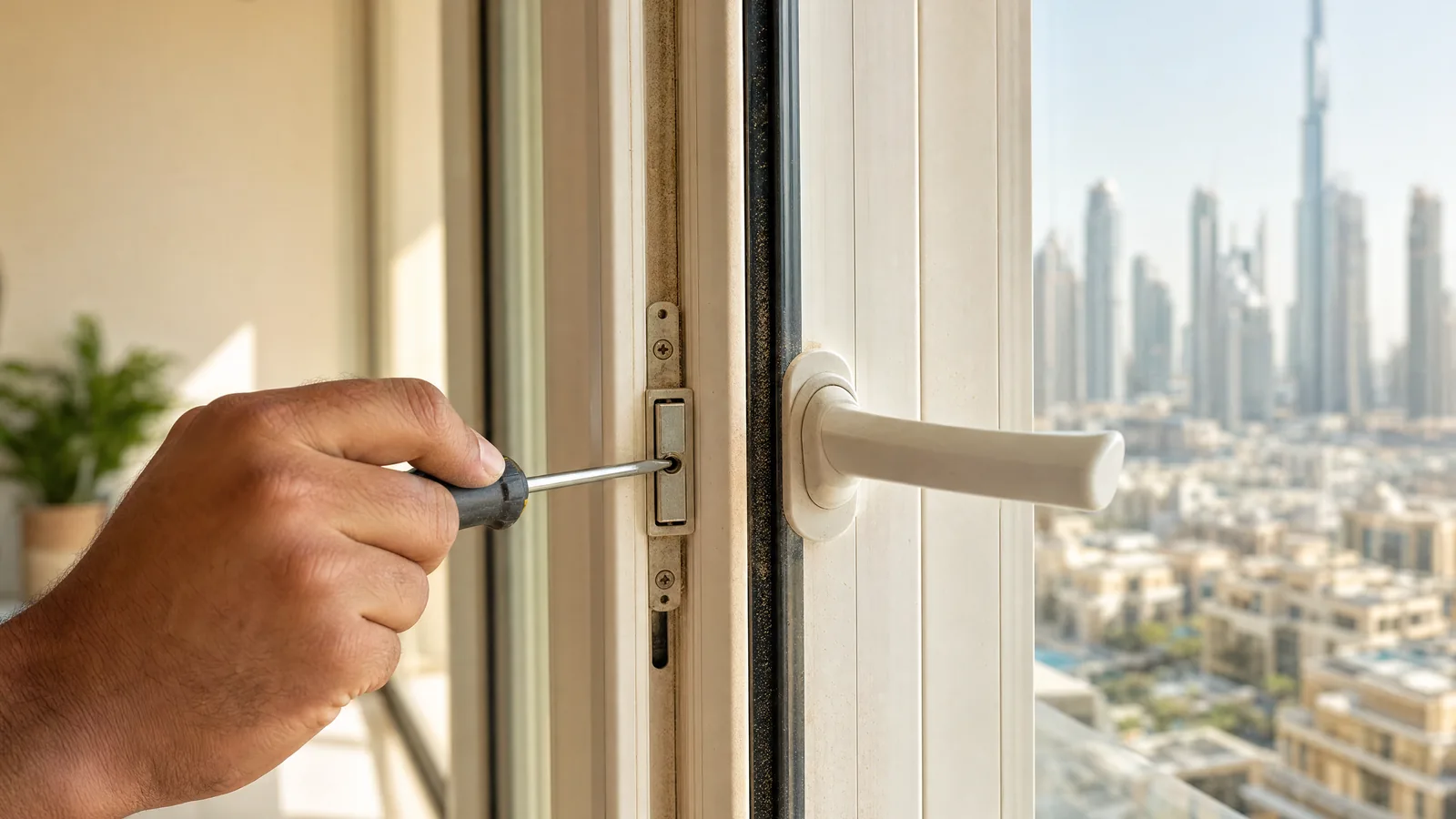
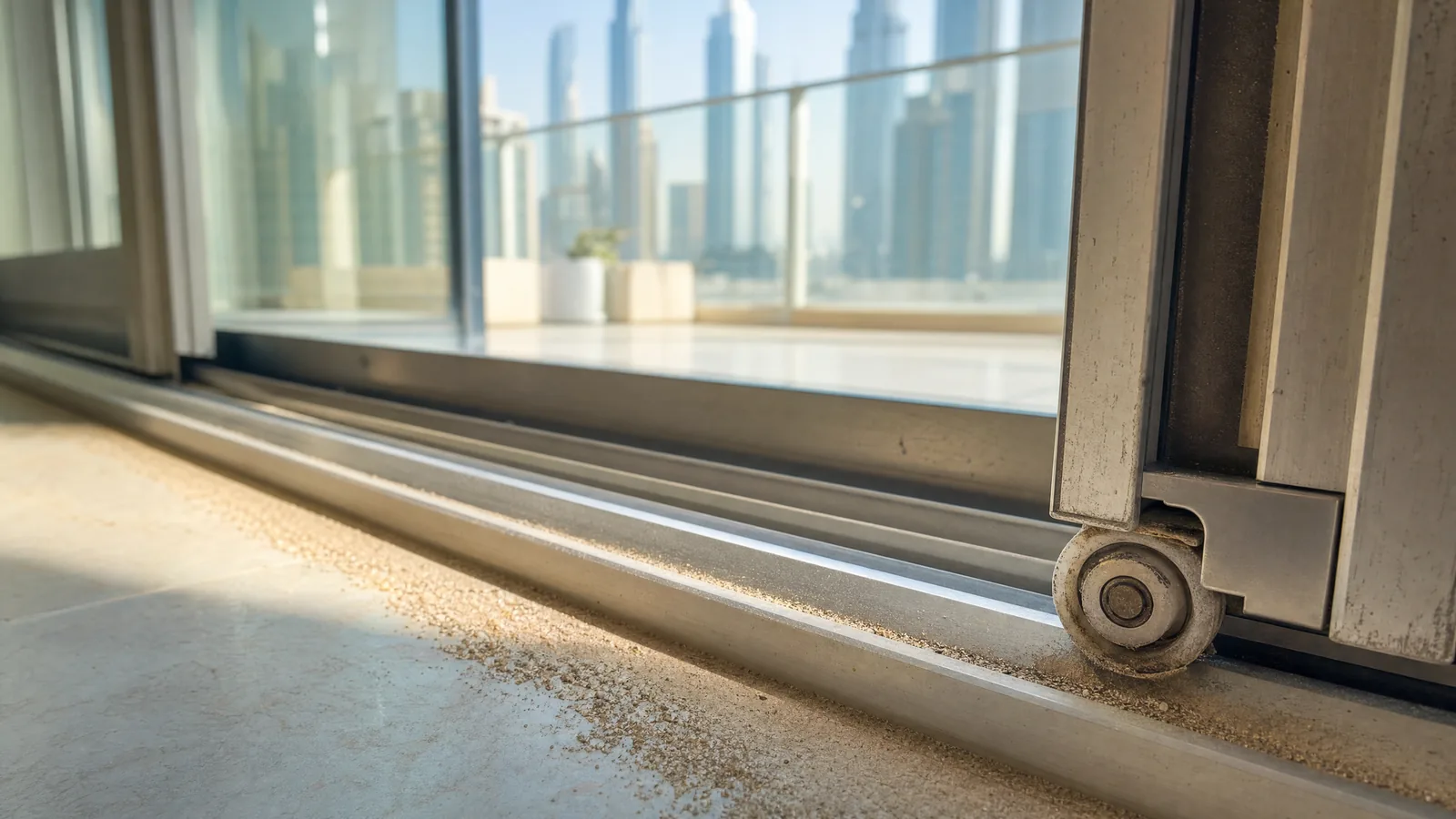
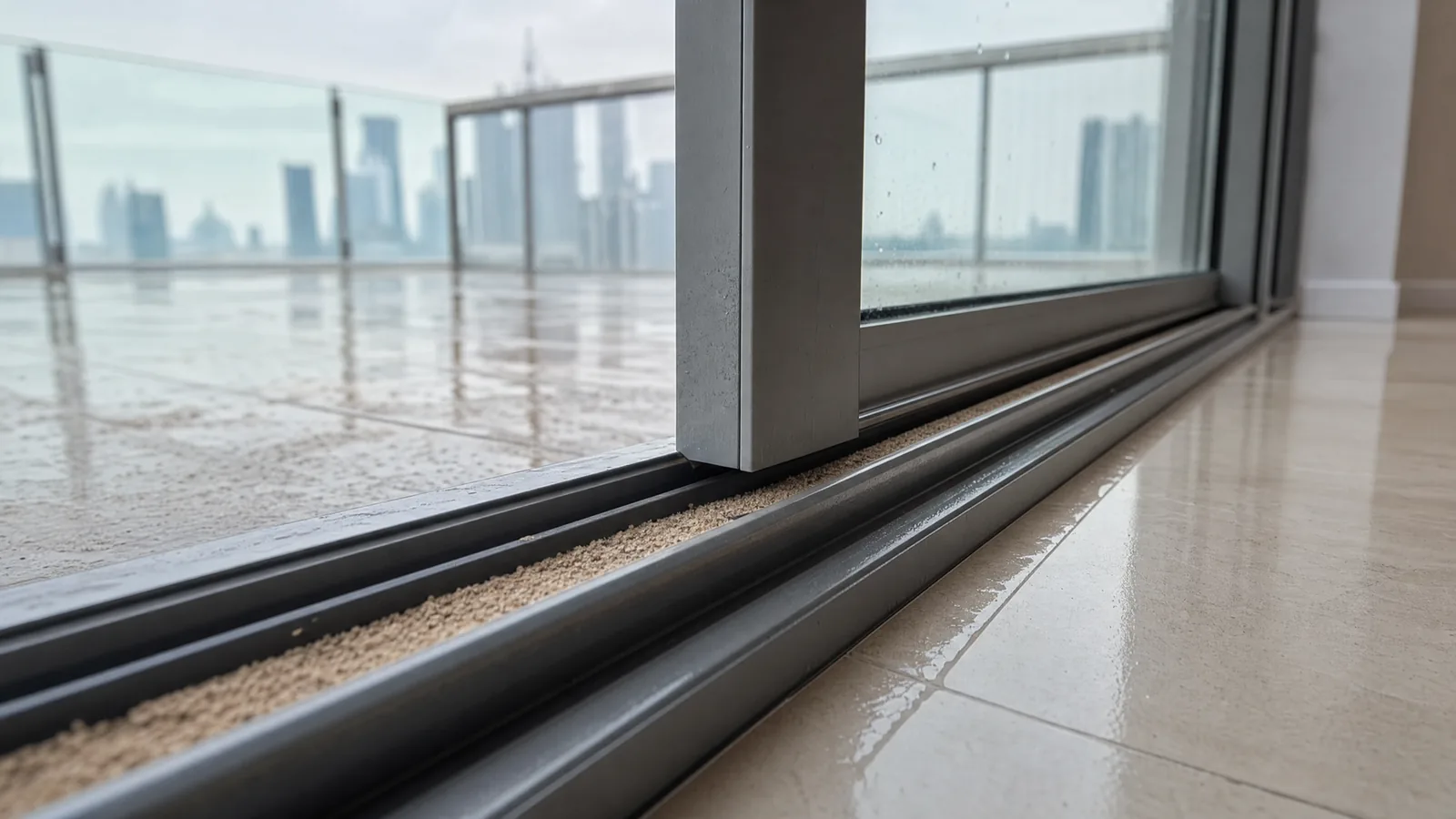
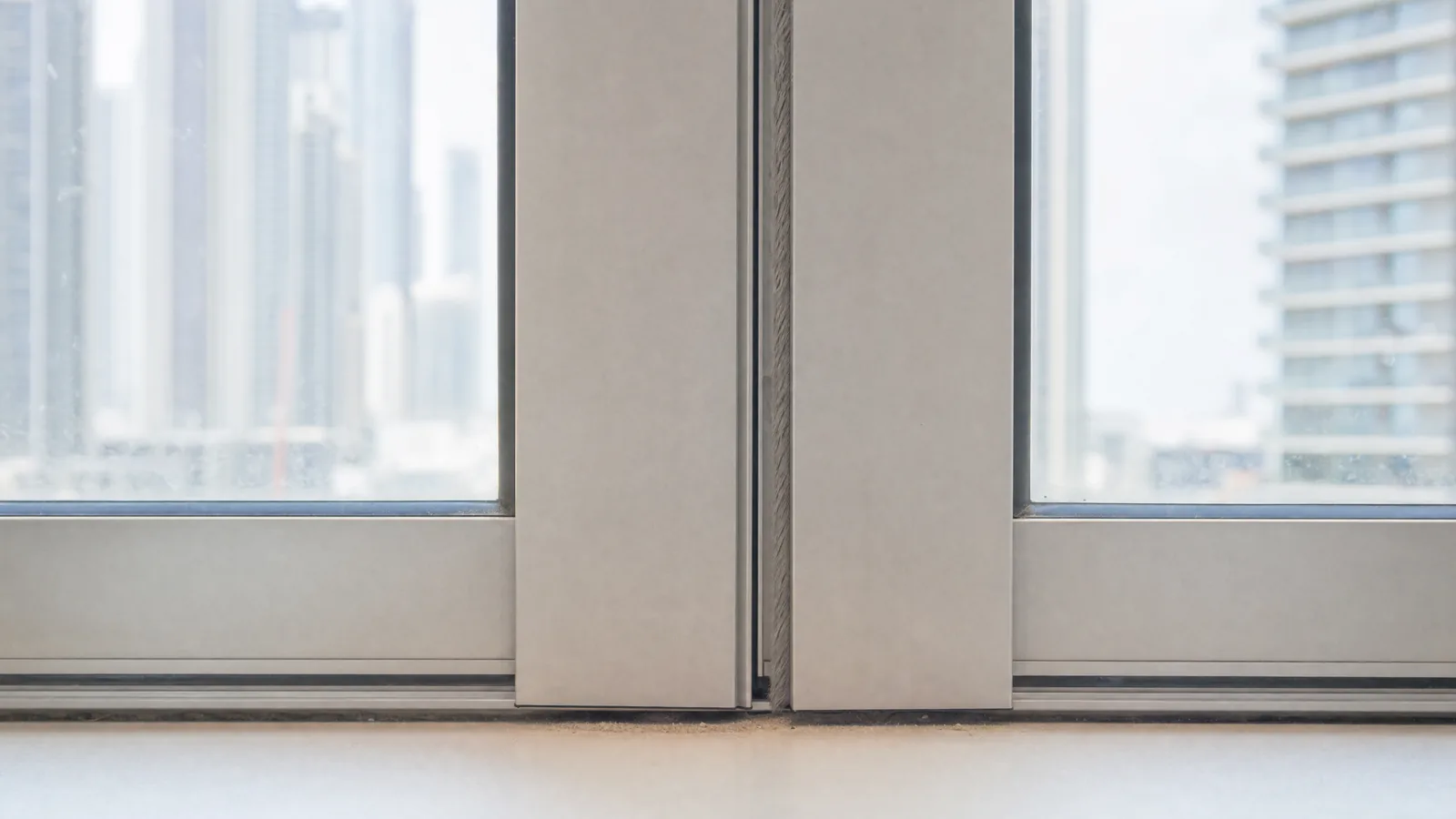
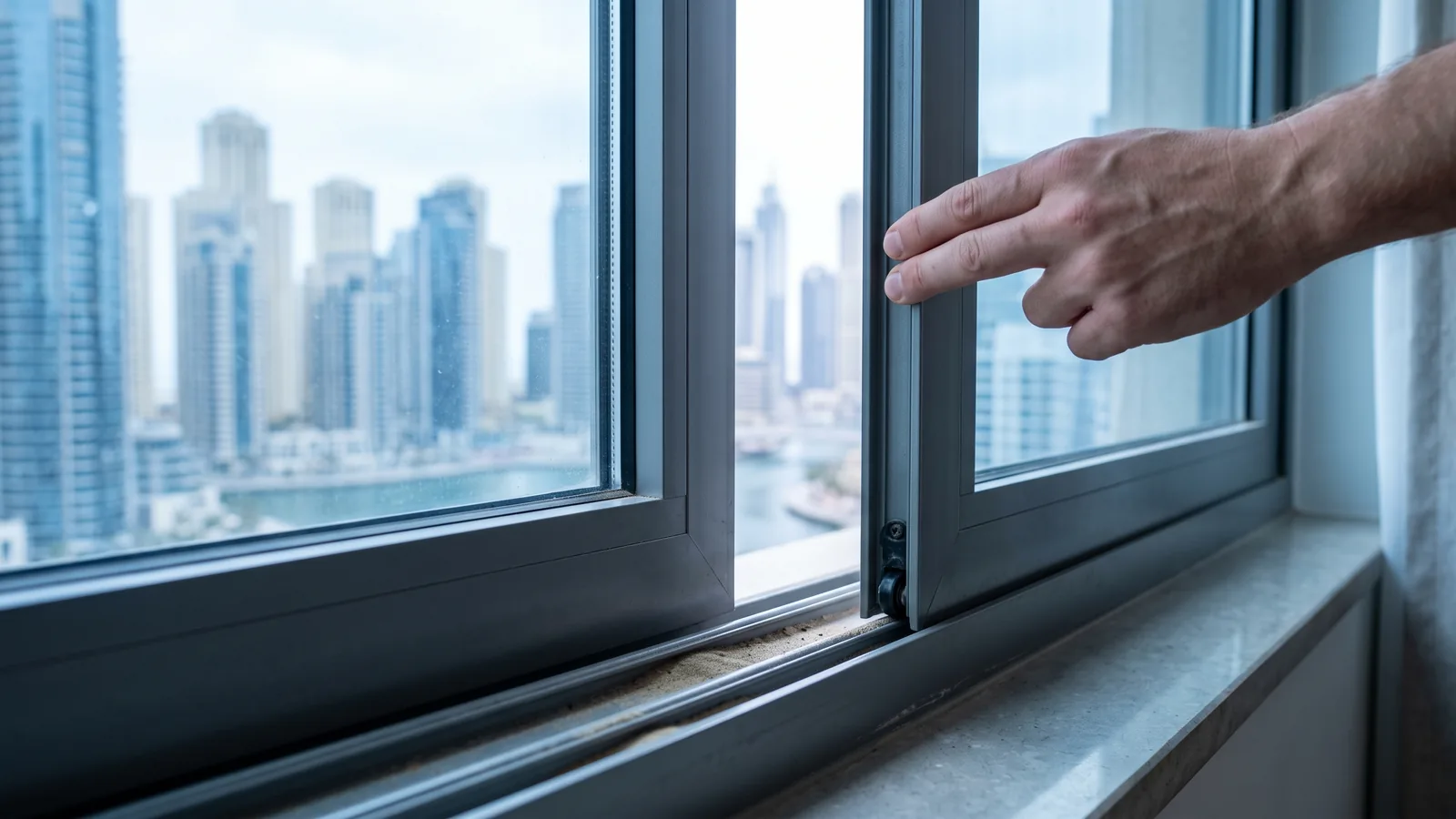
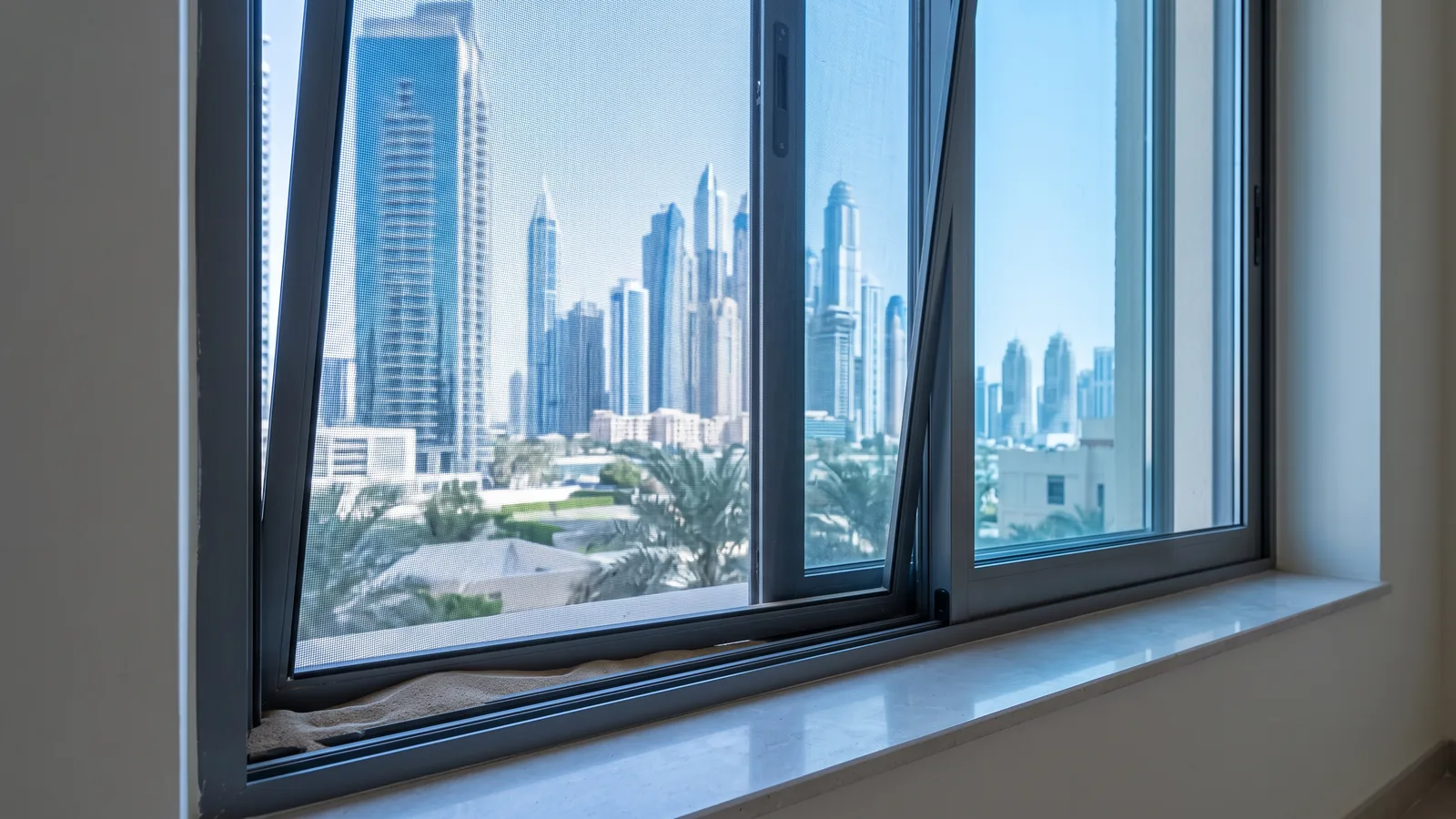
The first path is air gaps. Sound is a pressure wave, and it slips through the smallest opening: a perished rubber seal, a sliding sash that no longer closes tight, a gap where the frame meets the wall. If air can get through, noise gets through, and in Dubai's heat those rubber seals harden and shrink faster than in cooler climates, opening gaps you cannot always see. Fixing the gaps is the cheapest, highest-value step and sometimes solves the problem on its own. See our window sealing and draught-proofing in Dubai page.
The second path is the glass. Even a perfectly sealed single pane vibrates like a drum skin and re-radiates outside noise into the room. This is what you hear as the deep rumble of Sheikh Zayed Road traffic, the thud of nearby construction, and bass from a rooftop lounge. Low-frequency noise is the hardest to stop and needs mass and separation in the glazing, not just a better seal.
The options, cheapest to most effective
Start at the top and add layers only if you need them.
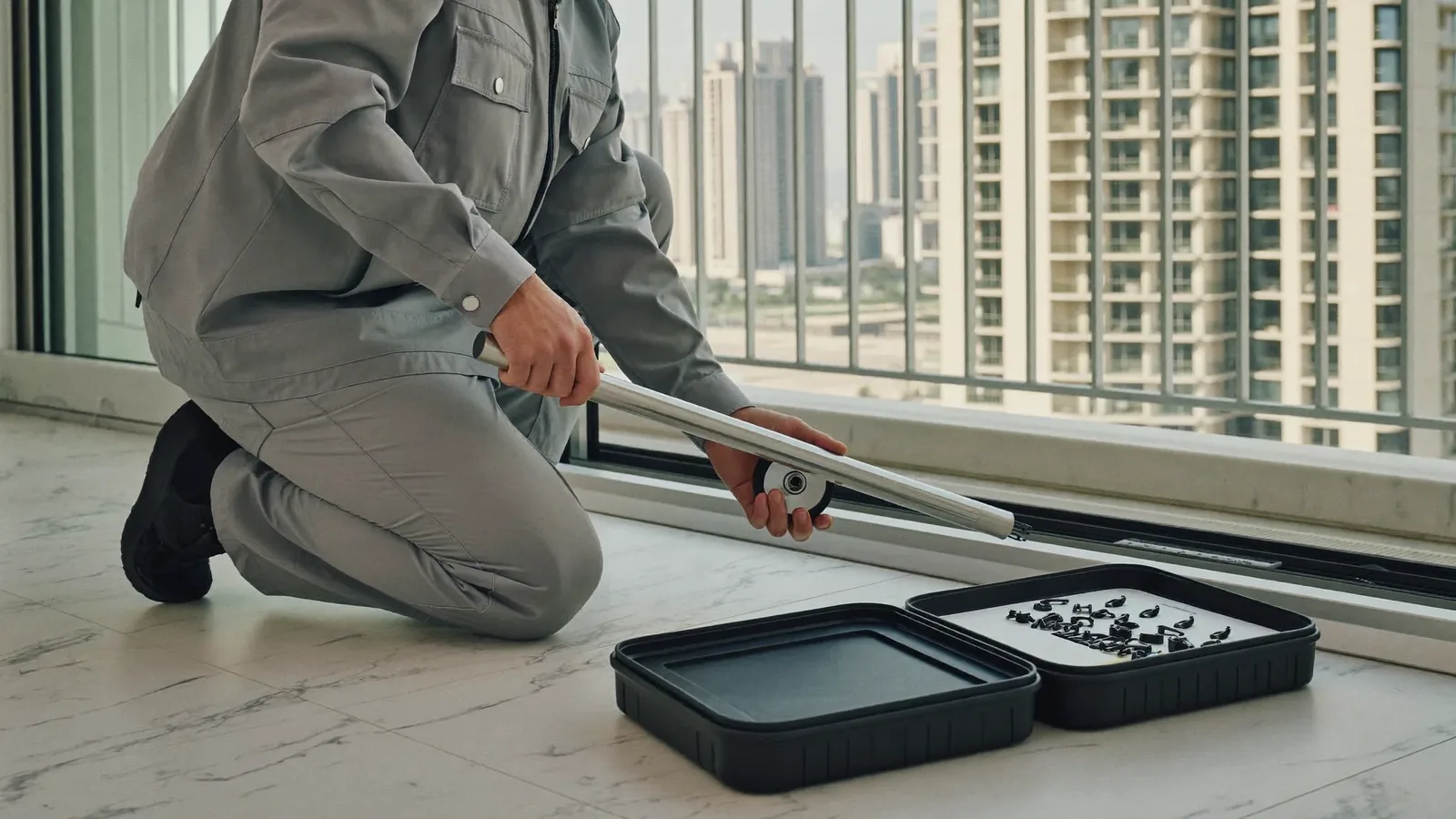
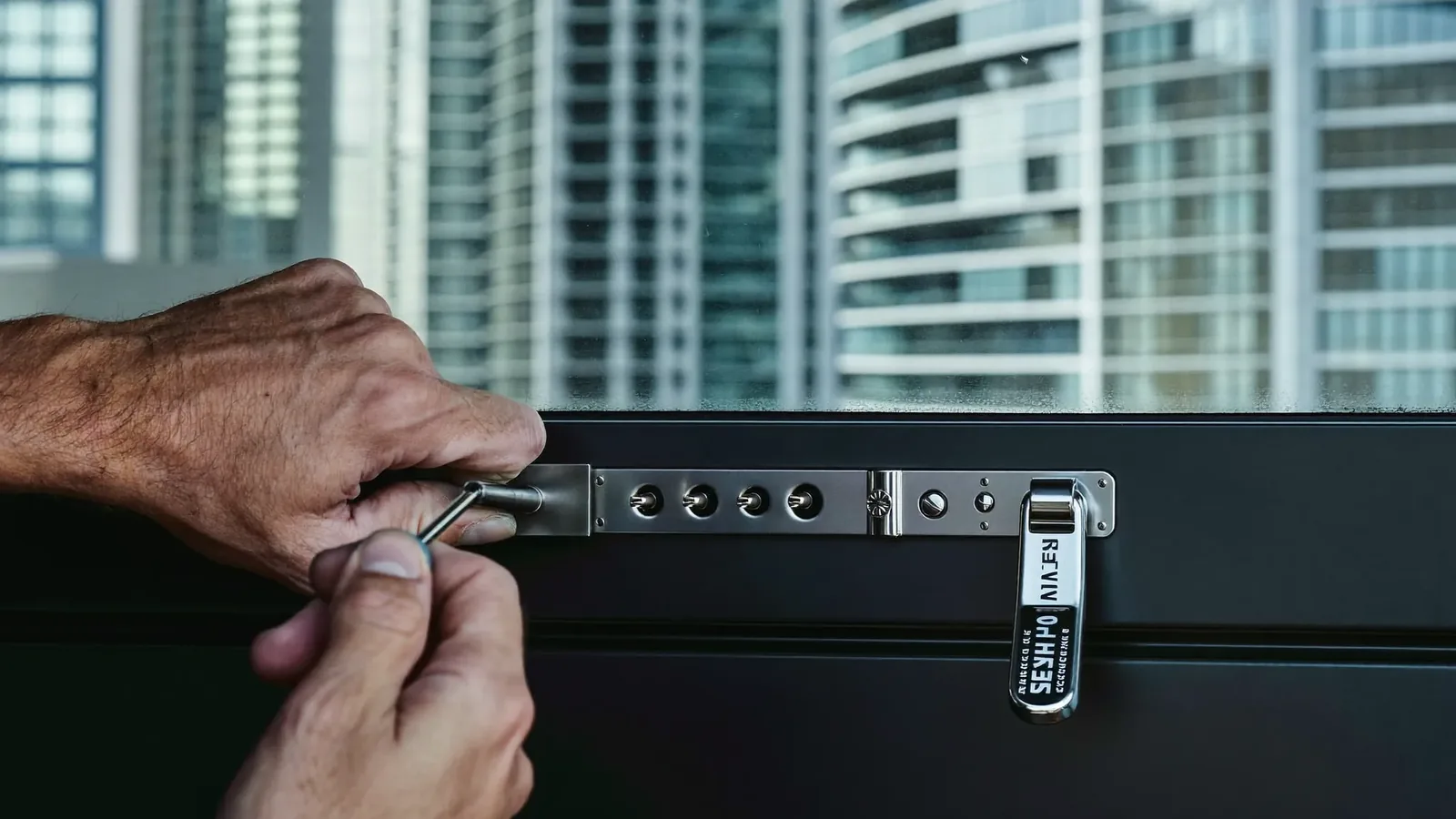
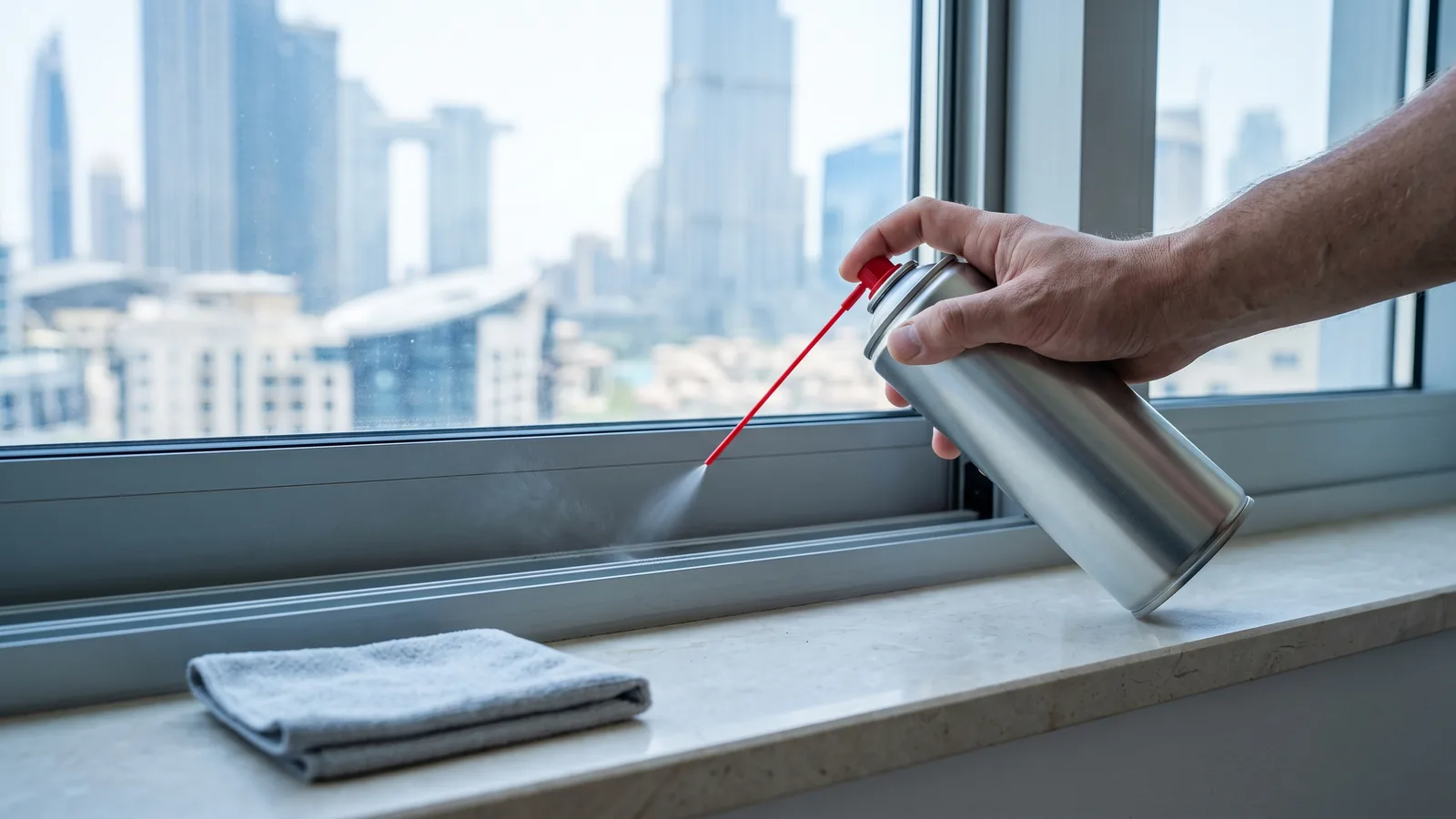
Sealing and draught-proofing. New perimeter seals and adjusted sashes close the air gaps. It is quick, low cost, and reversible, and for lighter noise it can be all you need.
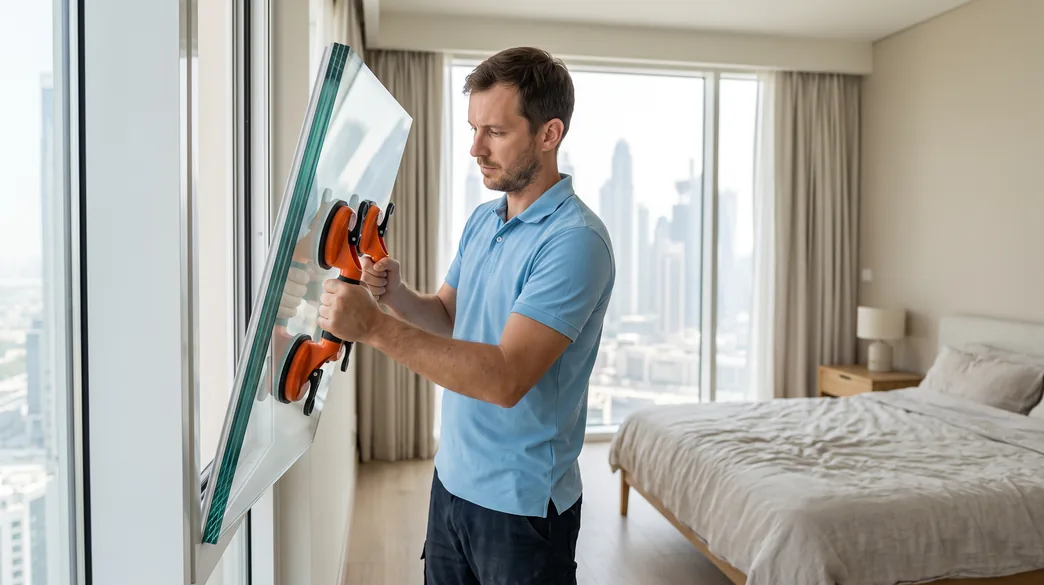
Acoustic glass. This is laminated glass with a special sound-damping interlayer between two sheets. The interlayer stops the pane vibrating as freely, so it kills much more noise than ordinary glass of the same thickness, especially traffic frequencies. It fits into your existing frames where the frame and building rules allow, so the window still looks standard from outside. See acoustic glass in Dubai.
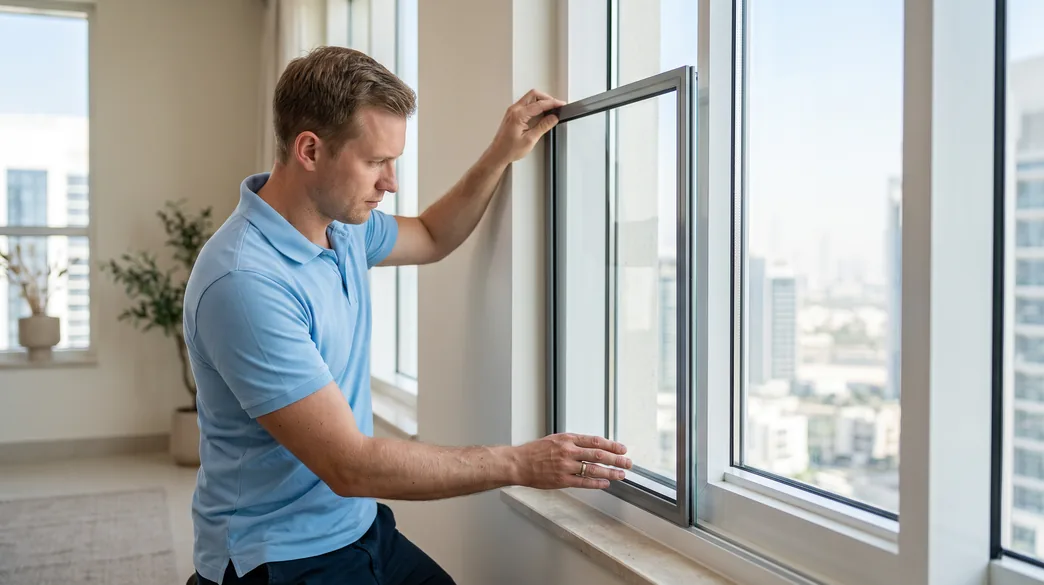
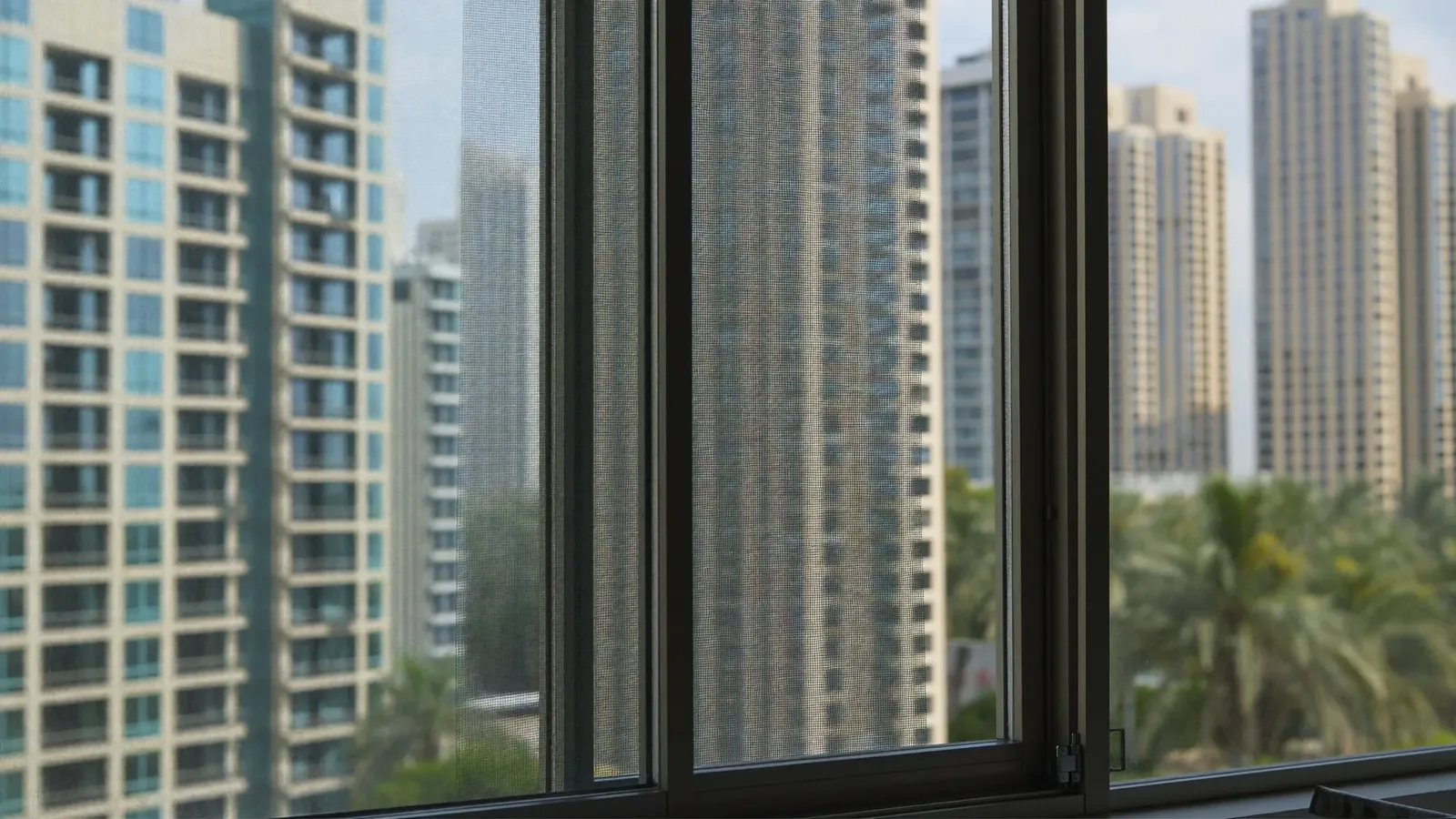
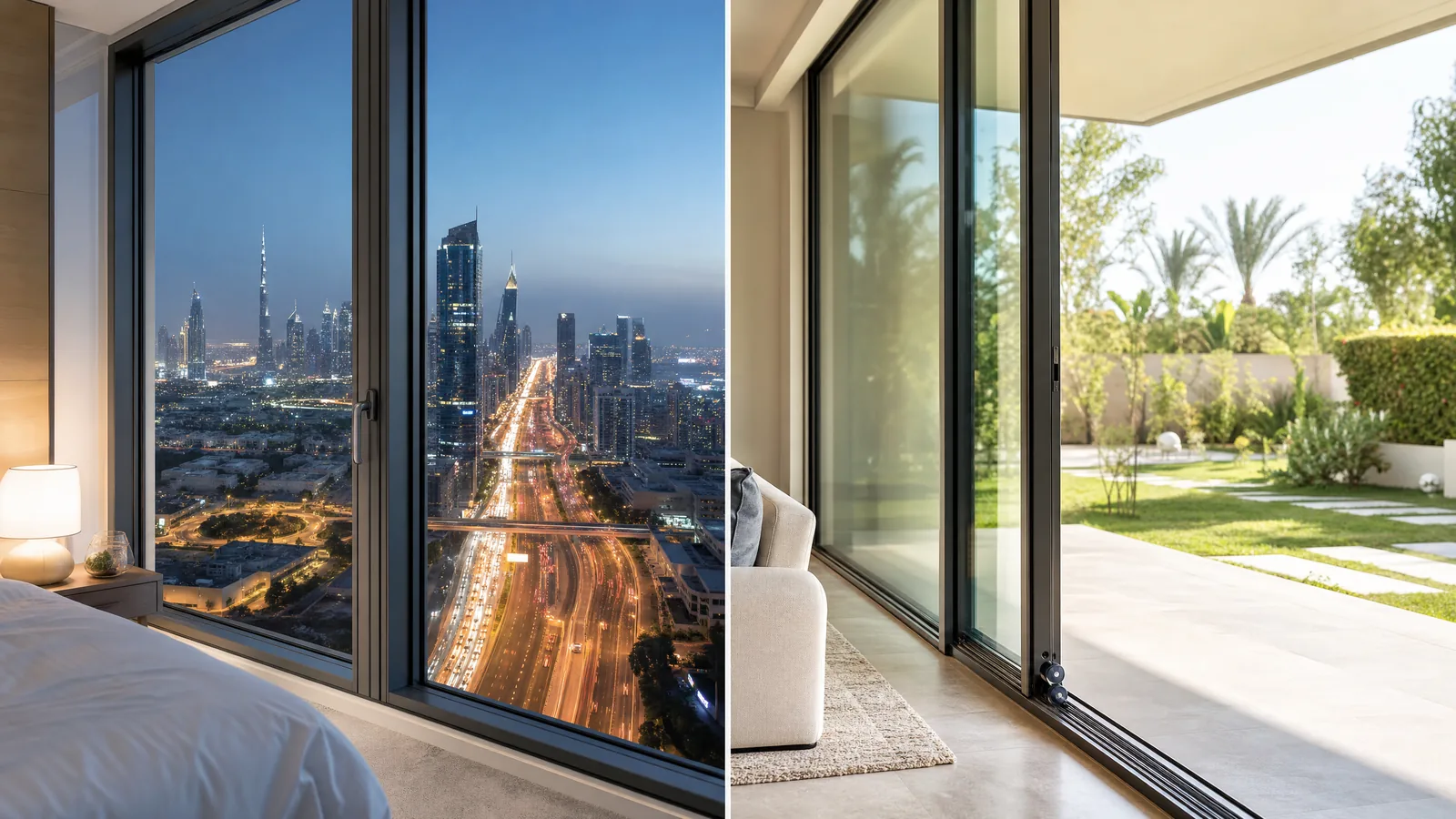
Secondary glazing. A second, discreet glazed panel is fitted on the inside of your existing window, with an air gap between the two. That gap is the key: the separation between the two panes is what stops low-frequency noise, and it is the strongest performer against heavy traffic and construction. It is fitted entirely from inside, changes nothing about the external facade, and can be removed if you move, which makes it ideal for apartments and tenants. See secondary glazing in Dubai.
Combined, sealing plus a proper glass upgrade is where the up to 45 dB reduction comes from. Our full approach is on the window soundproofing in Dubai page.

Tower and landlord constraints, and why reversible matters
Most Dubai apartments sit under two rules that shape what you can do. The building's facade must stay uniform, so you usually cannot swap the external window or change how it looks from the street. And if you rent, your tenancy limits permanent alterations. Both push you toward inside-fitted, reversible solutions.
This is exactly why secondary glazing suits apartments so well. It goes on the room side of the existing window, so the facade is untouched and the developer or owners association has nothing to object to. It can be unclipped and taken with you or removed at the end of a lease. Acoustic glass is a swap of the glass within your existing frame, which is also invisible from outside, though for a rental you would clear a glass change with the owner first. If you own the apartment, you have more freedom, but the reversible options still tend to give the best noise result for the money.
Before committing, it is worth a quick check of what your building and contract allow. We can advise on which route keeps you compliant while getting the quietest result.
What Dubai noise sources need which fix
Constant traffic rumble from a highway or main road is low-frequency and stubborn, so it wants mass and an air gap: acoustic glass, and secondary glazing for the toughest cases. Nearby construction is broadband and often very loud, so seal every gap first, then add a glass layer. Nightlife and rooftop bass is low-frequency again and responds best to secondary glazing with a generous air gap. General city hum and wind whistle is usually mostly gaps, so sealing alone often transforms the room. In every case, sealing comes first because a great pane of acoustic glass with a leaky seal still lets noise pour through the edge.
Getting it assessed in Dubai
The quickest way to know what your specific window needs is to have it looked at. We are based in Al Barsha and reach most of Dubai in around 30 minutes, and we give a free on-site fixed quote after checking where your noise is really coming from. Every job carries our 2-year warranty and our emergency line is open 24/7 on +971 50 220 6918. Reach us through the contact page, and for more guides see the blog.