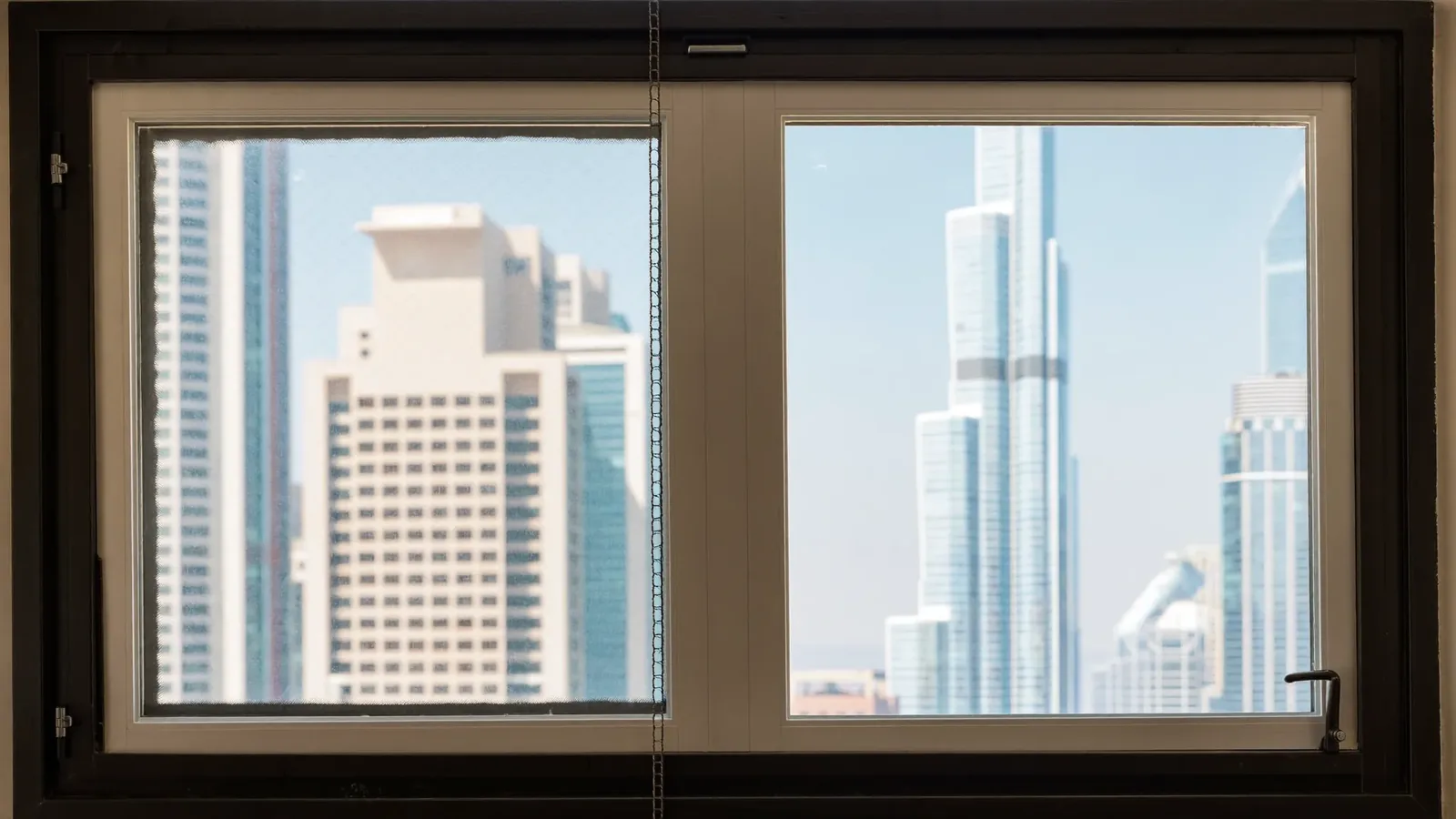





Your AC works hardest at the windows, and most of the cooling you pay for escapes there long before the glass is the problem. In a Dubai summer the outside air is punishing, so every gap around a window lets cooled air seep out and hot air push in, which means the compressor runs longer and your bill climbs. The good news is that the biggest leaks are usually the cheapest to fix, and for most homes you can make your windows far more energy efficient by repairing and upgrading what you already have, not by tearing everything out.
This guide walks through where the cooling actually goes, in order of cost. Start with the seals and gaps, because that is where the fast, low-cost wins are. Then look at the glass, where a failed or basic sealed unit can be upgraded to something that holds the heat out. Replacement is the last resort, and for most Dubai homes it is not the one that makes sense.
Where your cooled air and the heat actually leak
Two things are happening at a Dubai window, and they are not the same problem.
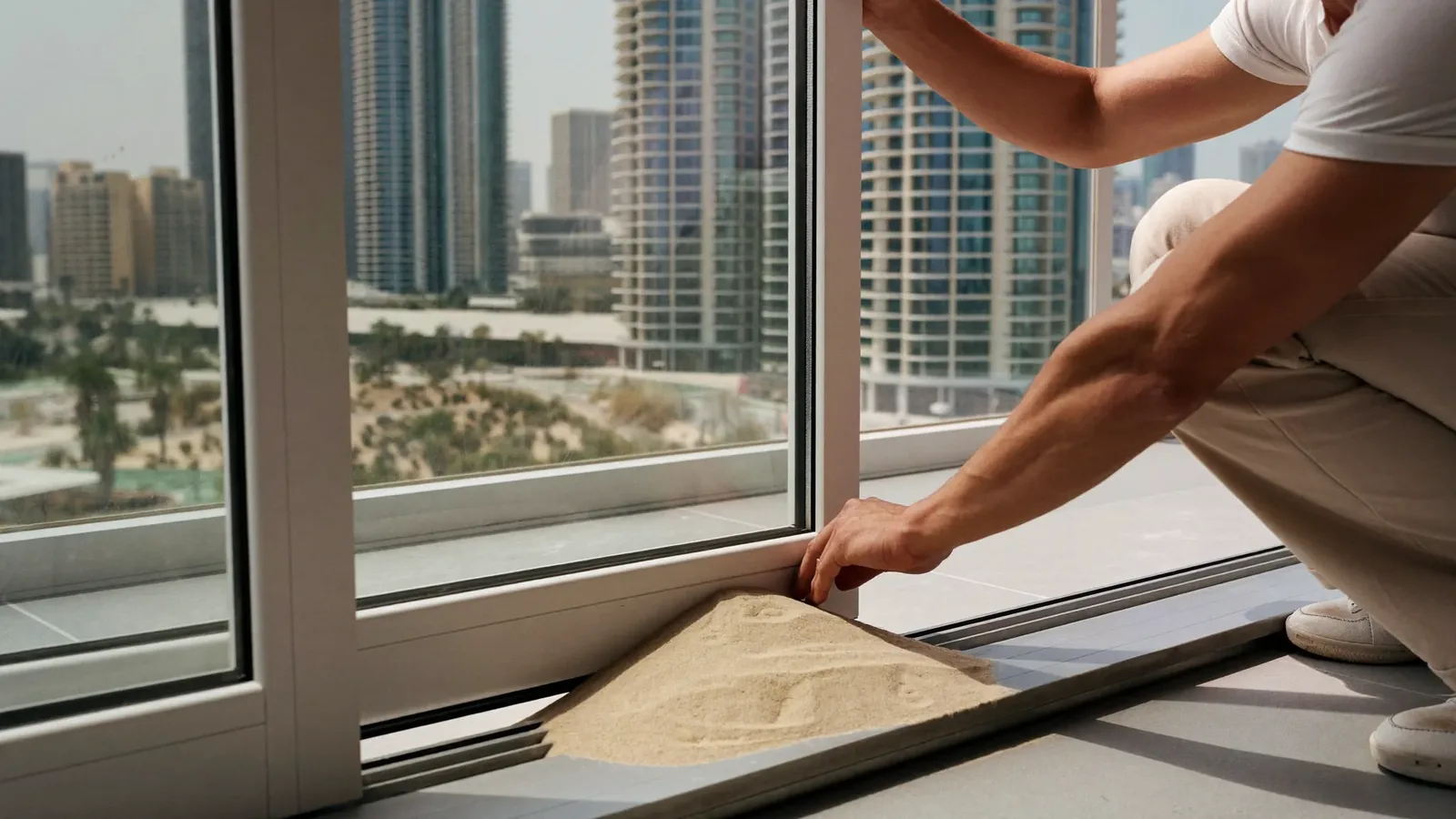
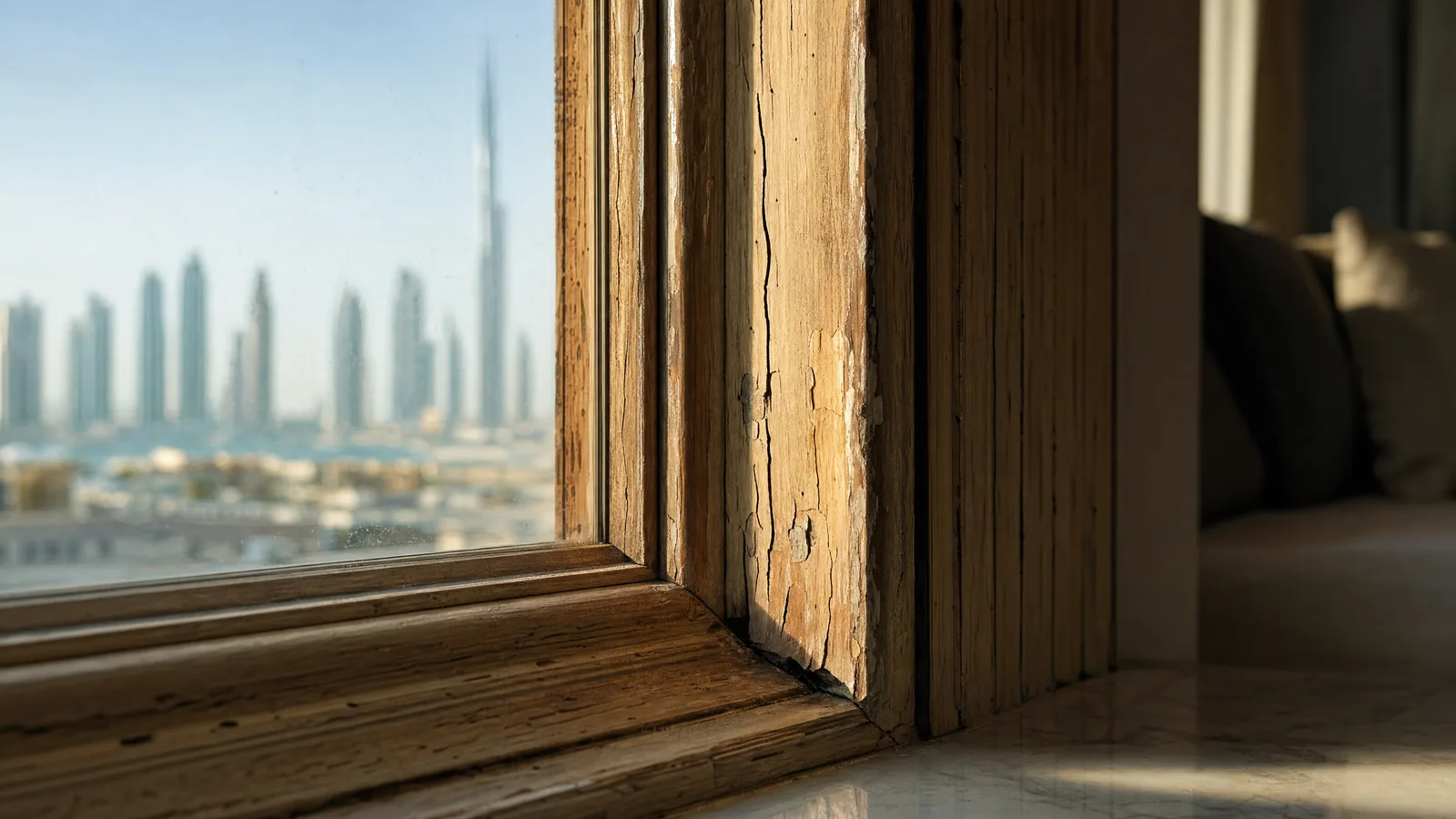
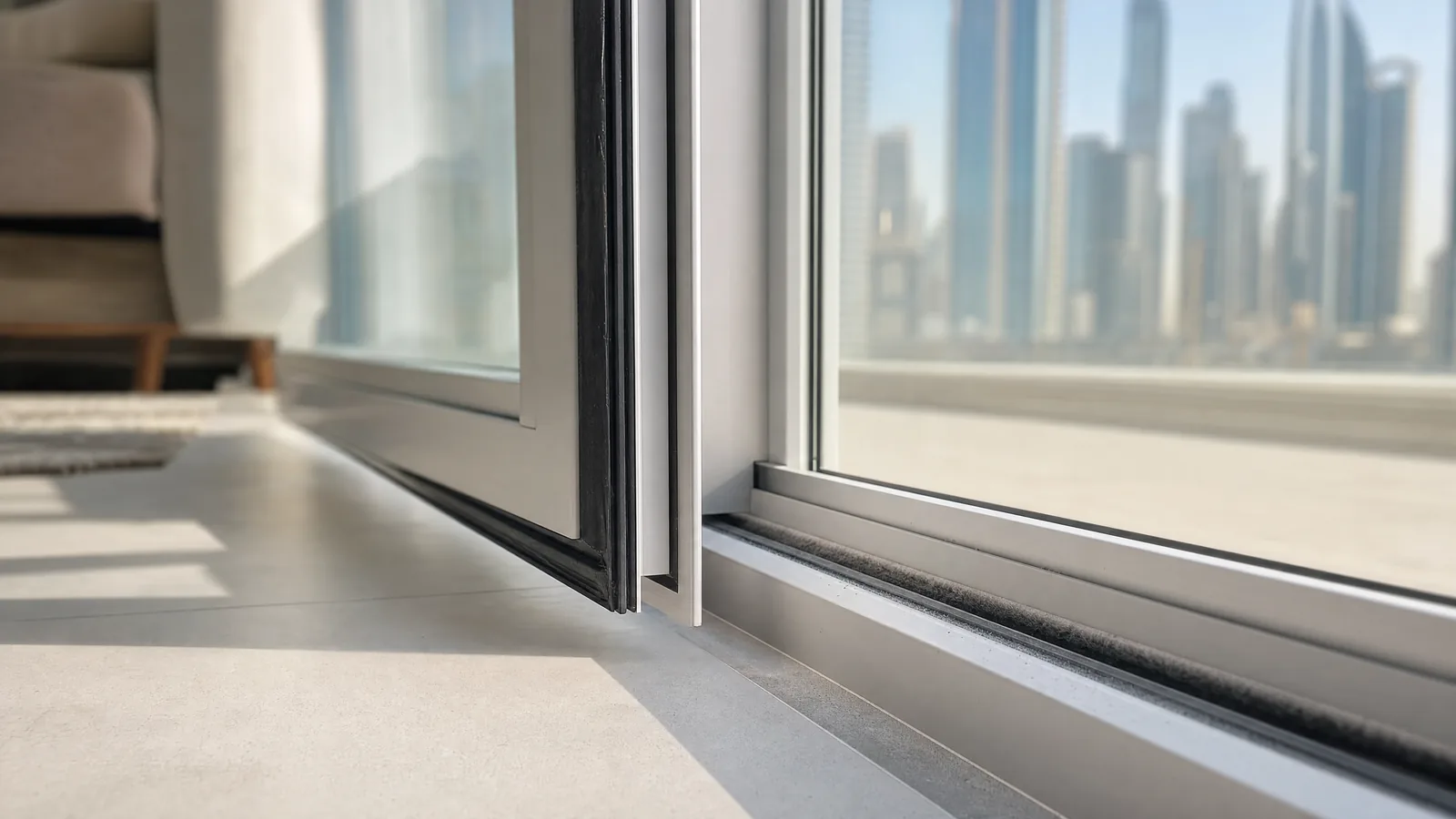
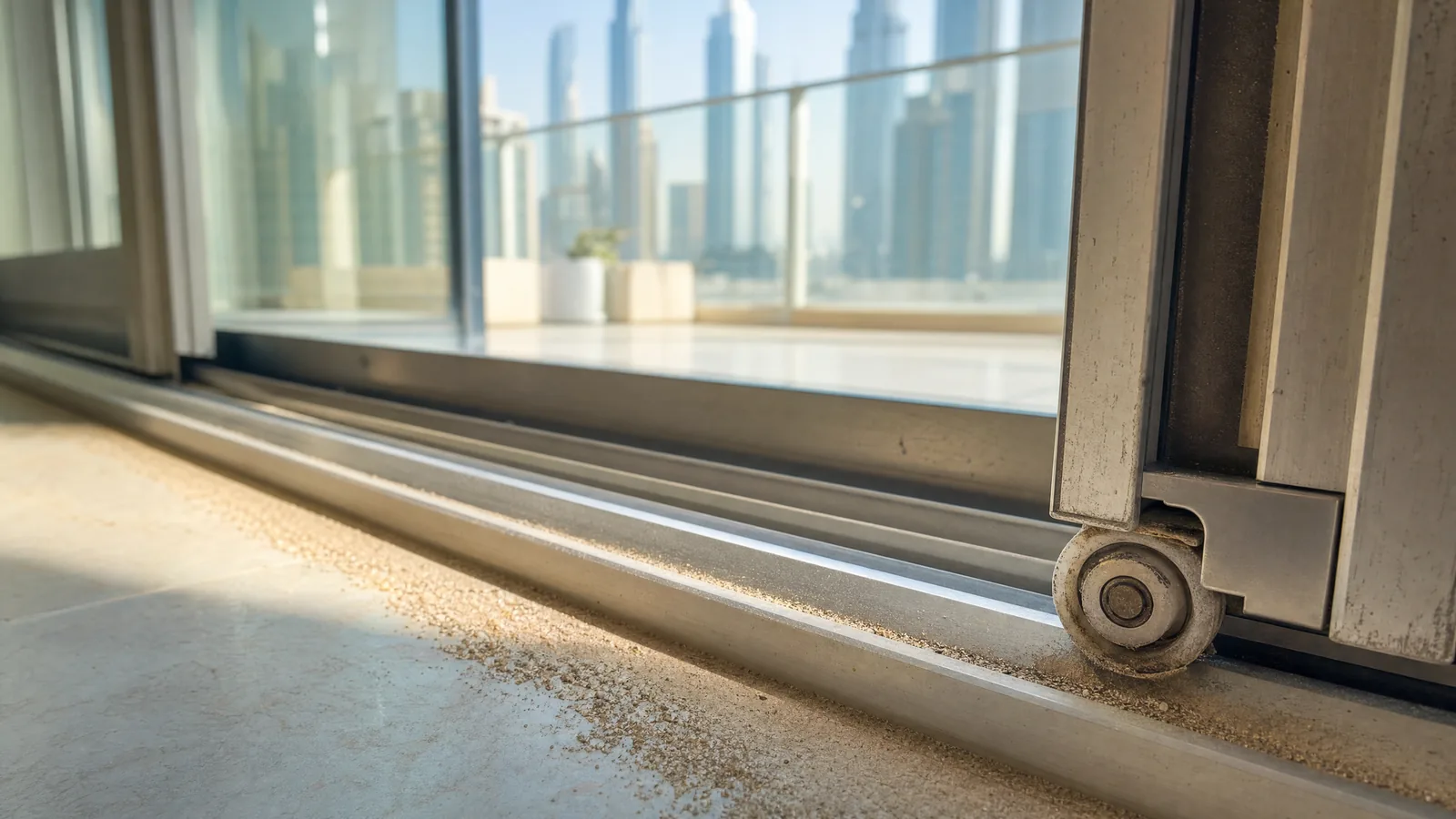
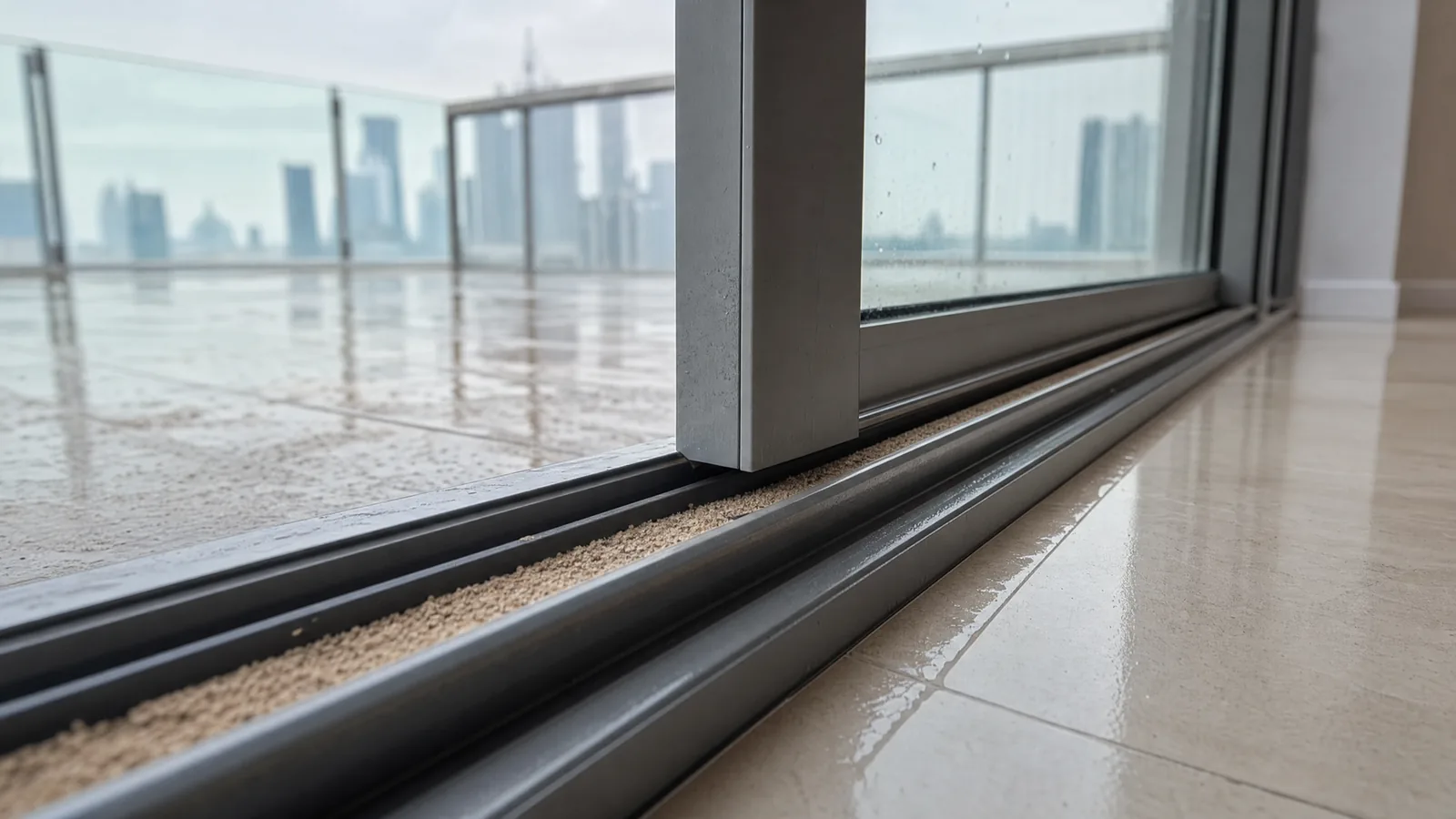
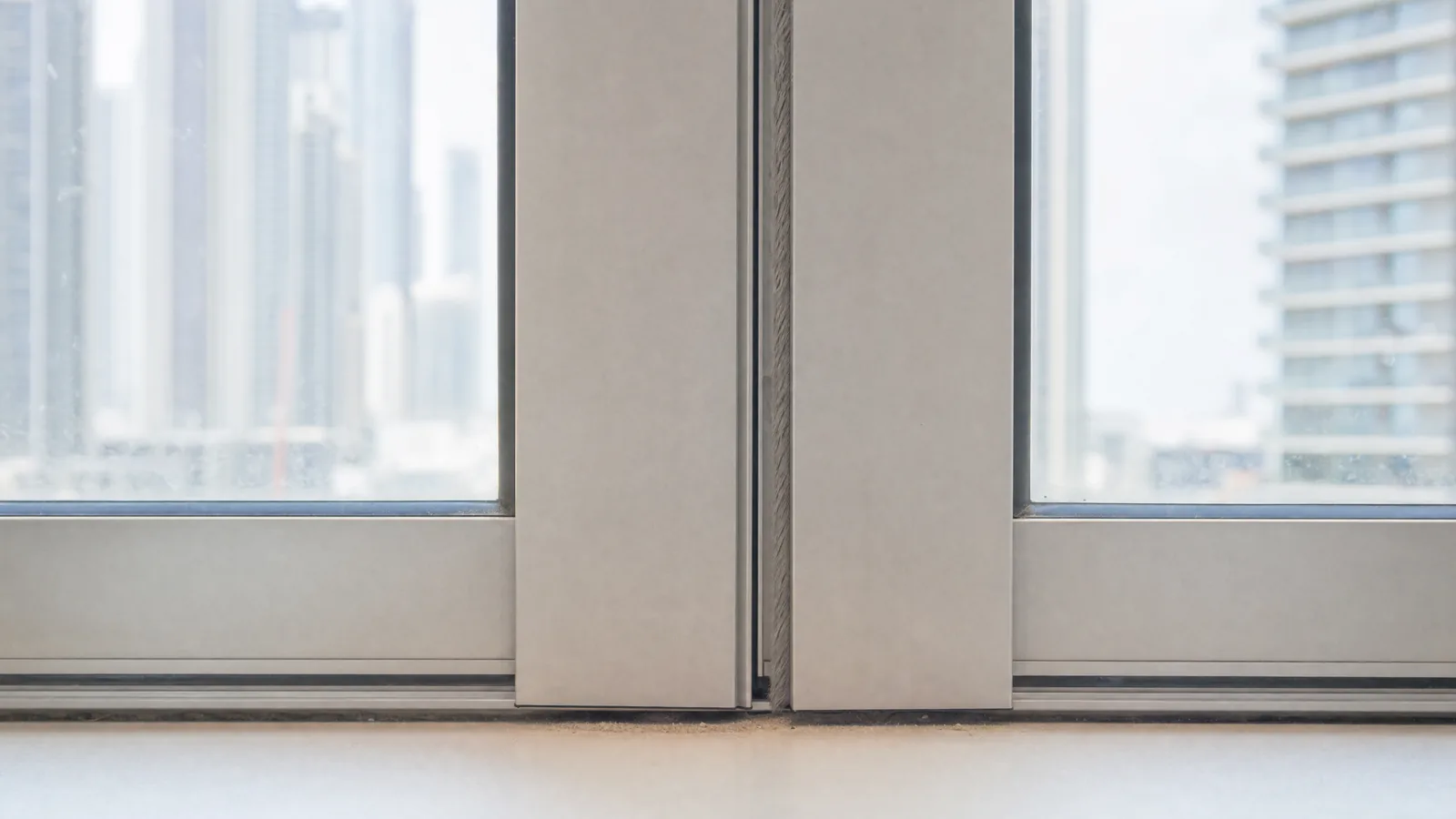
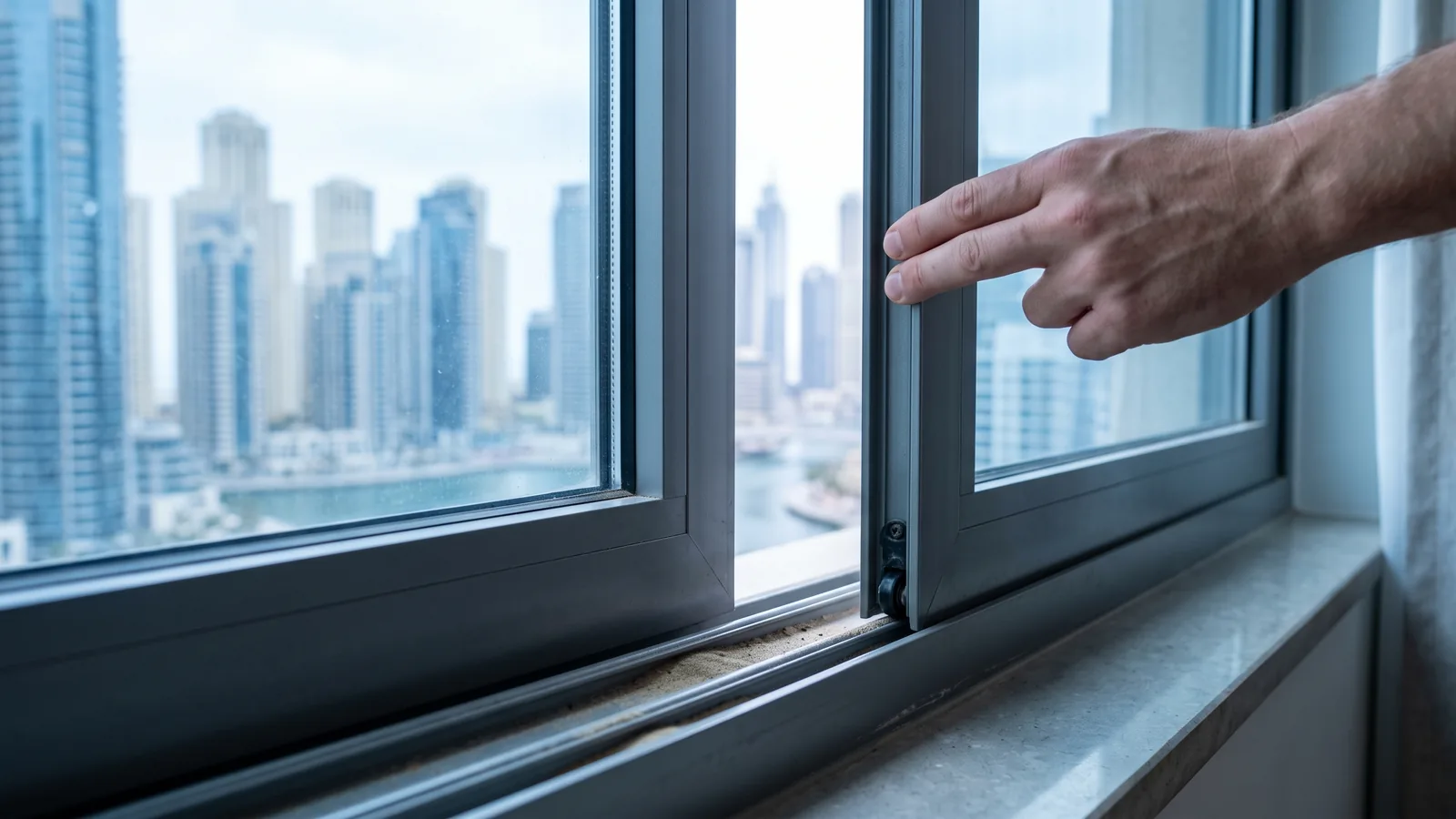
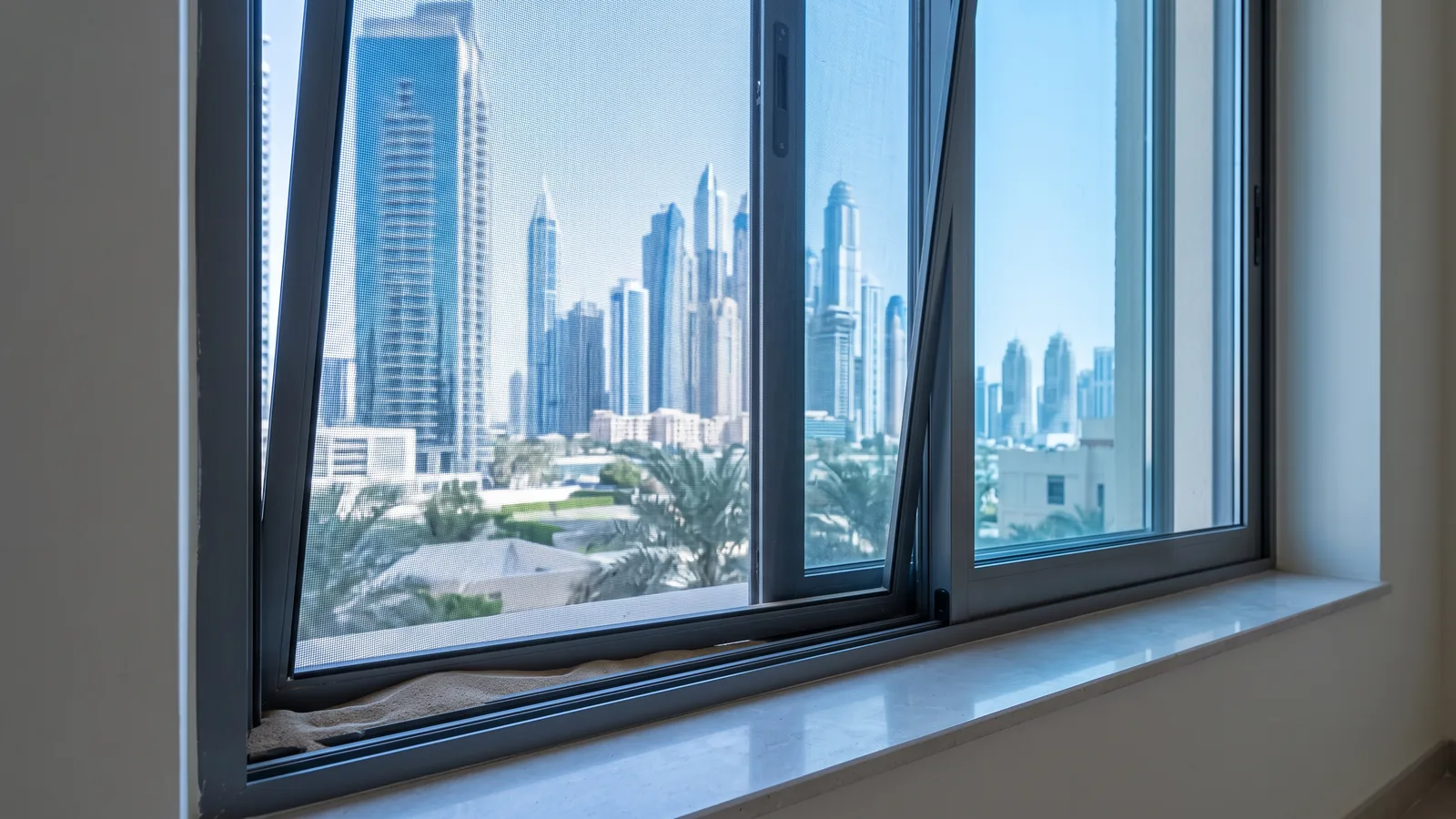
The first is air movement through gaps, and this is almost always the bigger and cheaper issue. Cooled air leaks out and hot outdoor air leaks in wherever the seal has failed: a perished rubber gasket, a sliding sash that no longer shuts tight, a frame that has pulled slightly away from the wall, a worn brush strip on a patio door. Dubai heat is brutal on rubber and it hardens, shrinks, and cracks far faster than in a mild climate, so seals that were fine a few years ago now leave openings you often cannot see but can sometimes feel as a warm draught on a hot day. Because this air exchange forces the AC to re-cool the same room over and over, closing the gaps is the single highest-value step, and it costs a fraction of anything involving glass. Our window sealing and draught-proofing in Dubai page covers this directly.
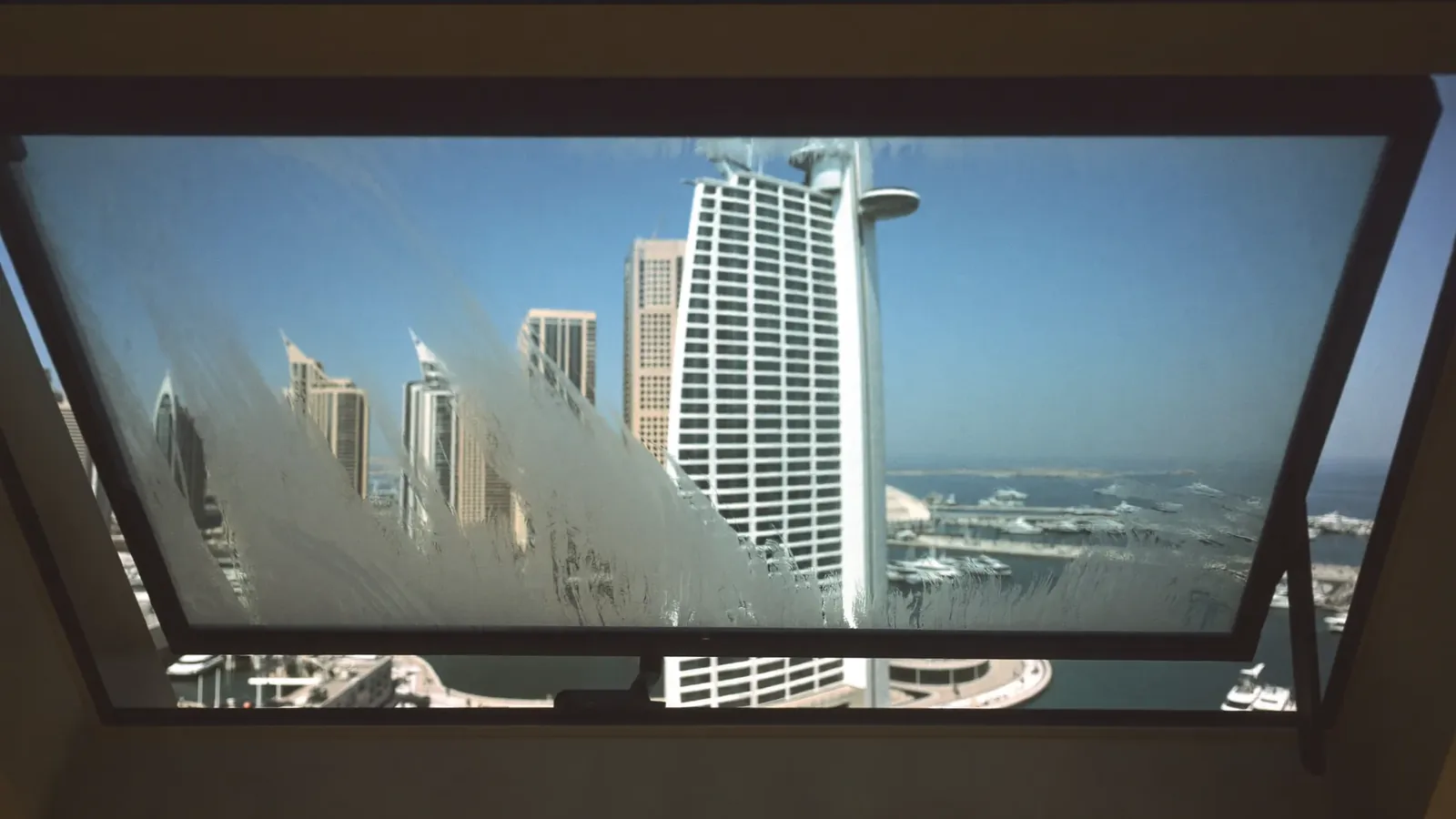
The second is heat coming through the glass itself, by conduction and by the sun. Even a well-sealed window still lets heat pass through the pane, and a single sheet of glass does very little to slow it. Worse in Dubai is solar gain, the heat that radiates straight through clear glass from direct sun and turns a room into an oven by mid-afternoon. This is the part that better glass addresses, and it matters most on windows that catch the sun. But it is the second thing to look at, not the first, because a great pane of glass sitting in a leaky frame still bleeds cooling around the edges.
Renewing seals and draught-proofing, the cheapest win
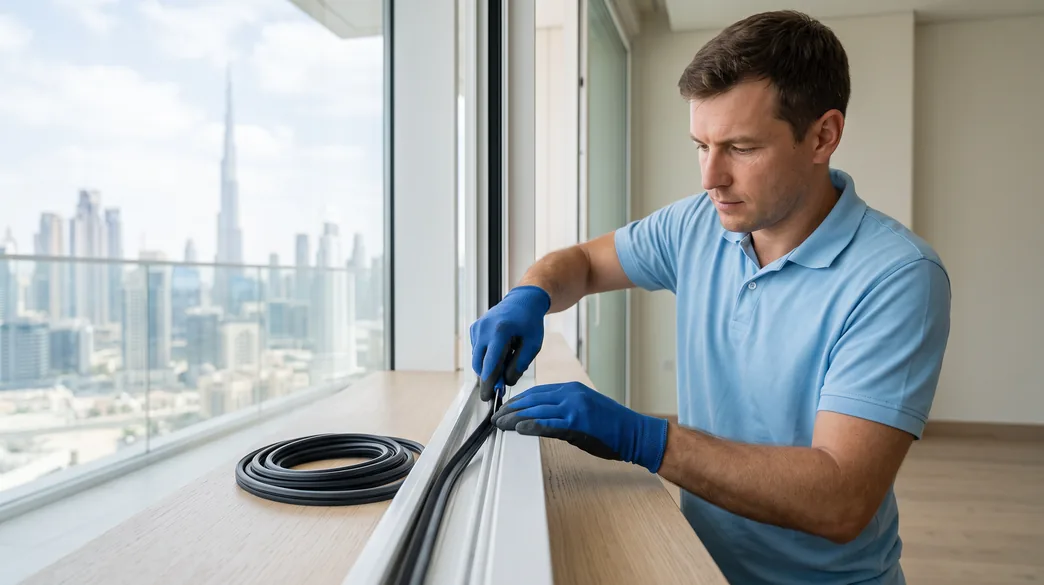
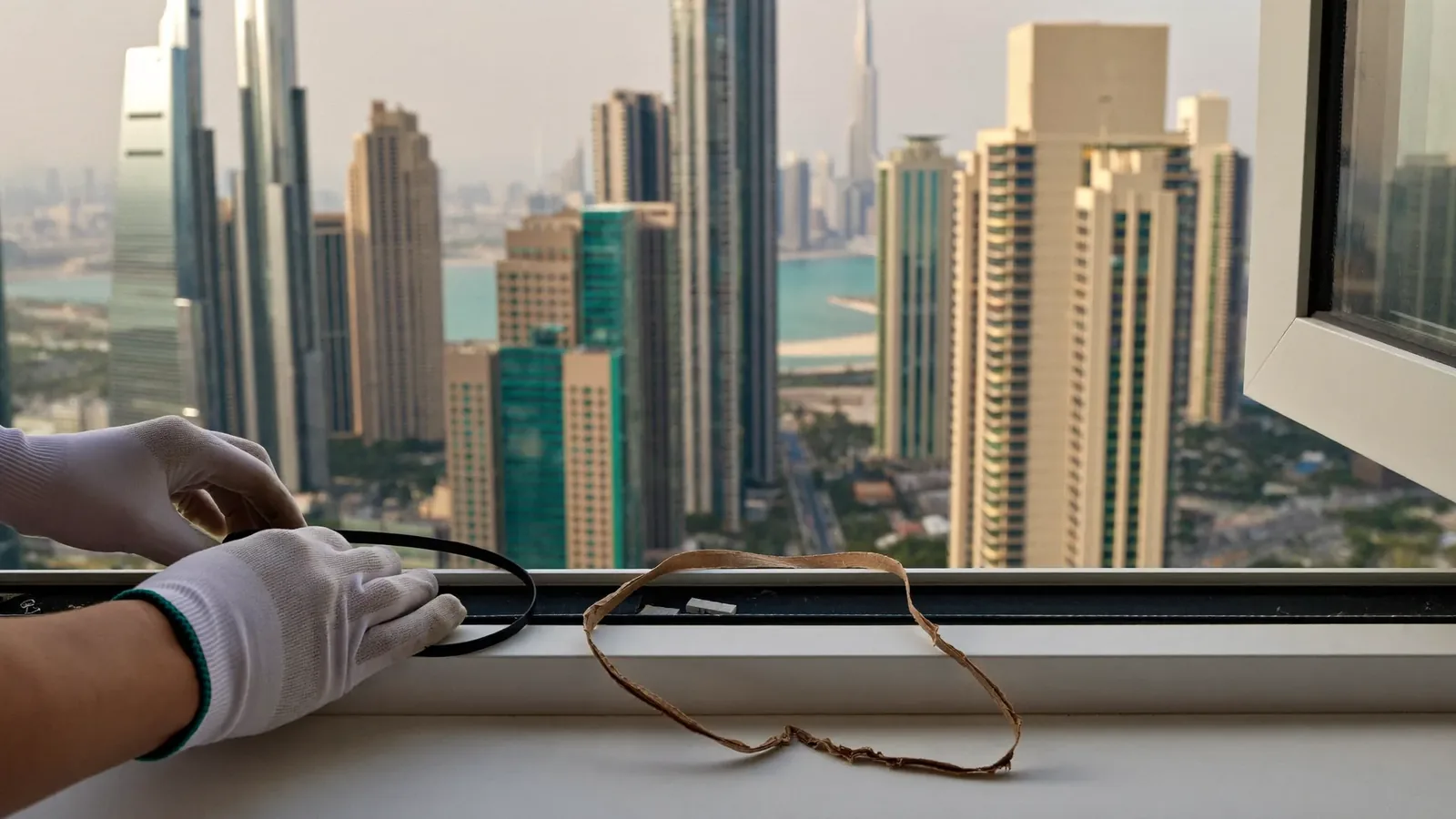
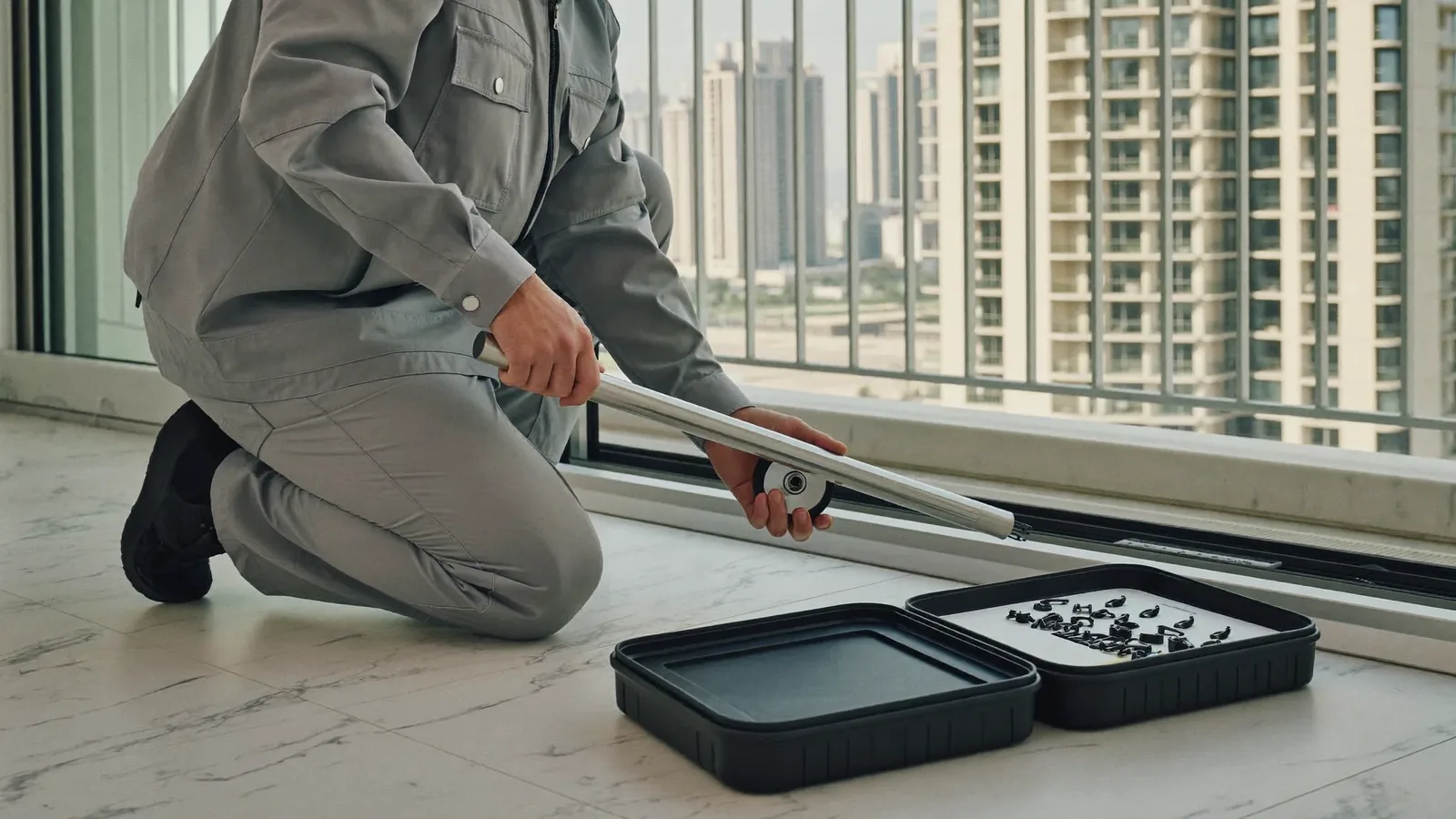
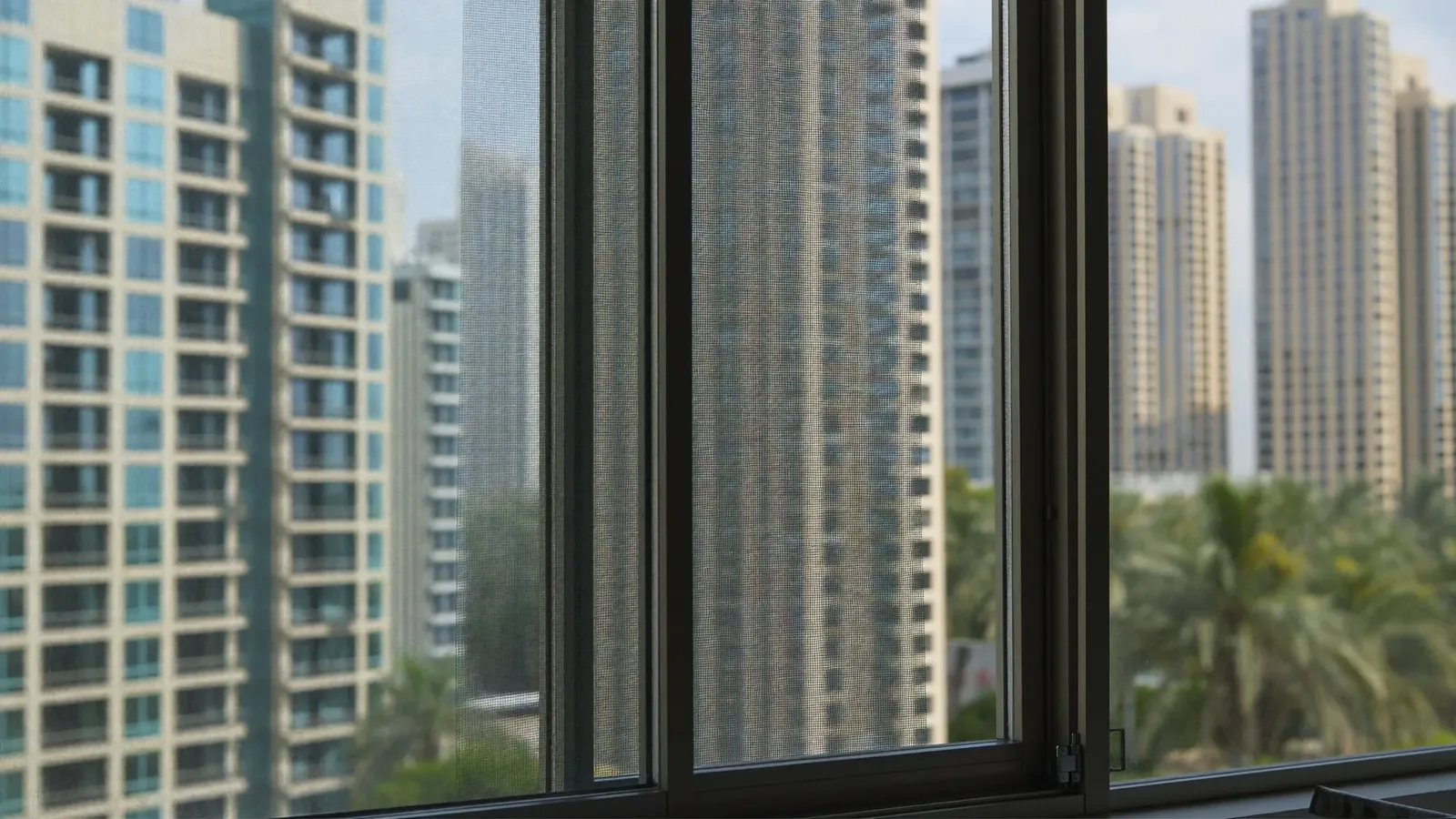
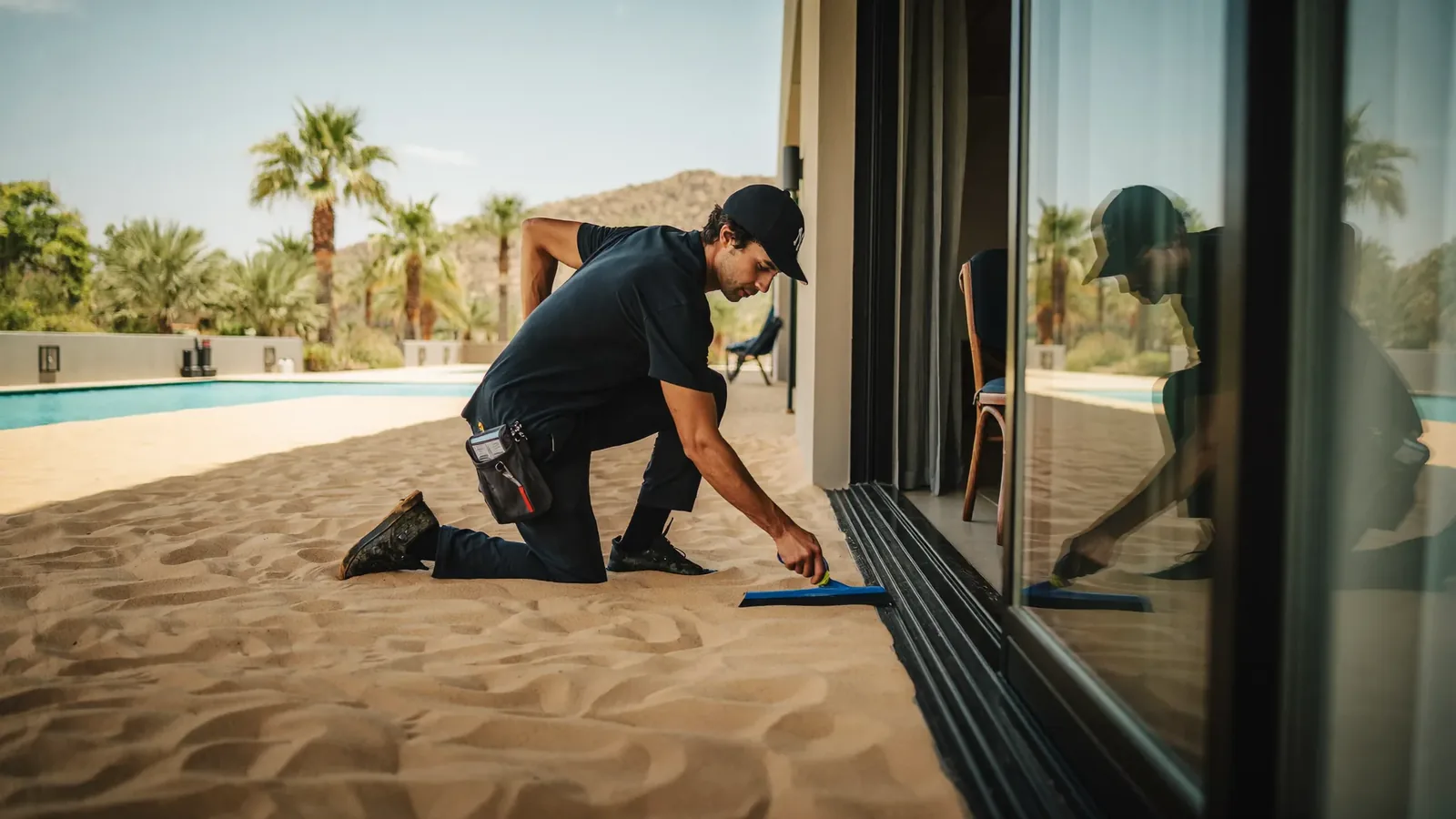
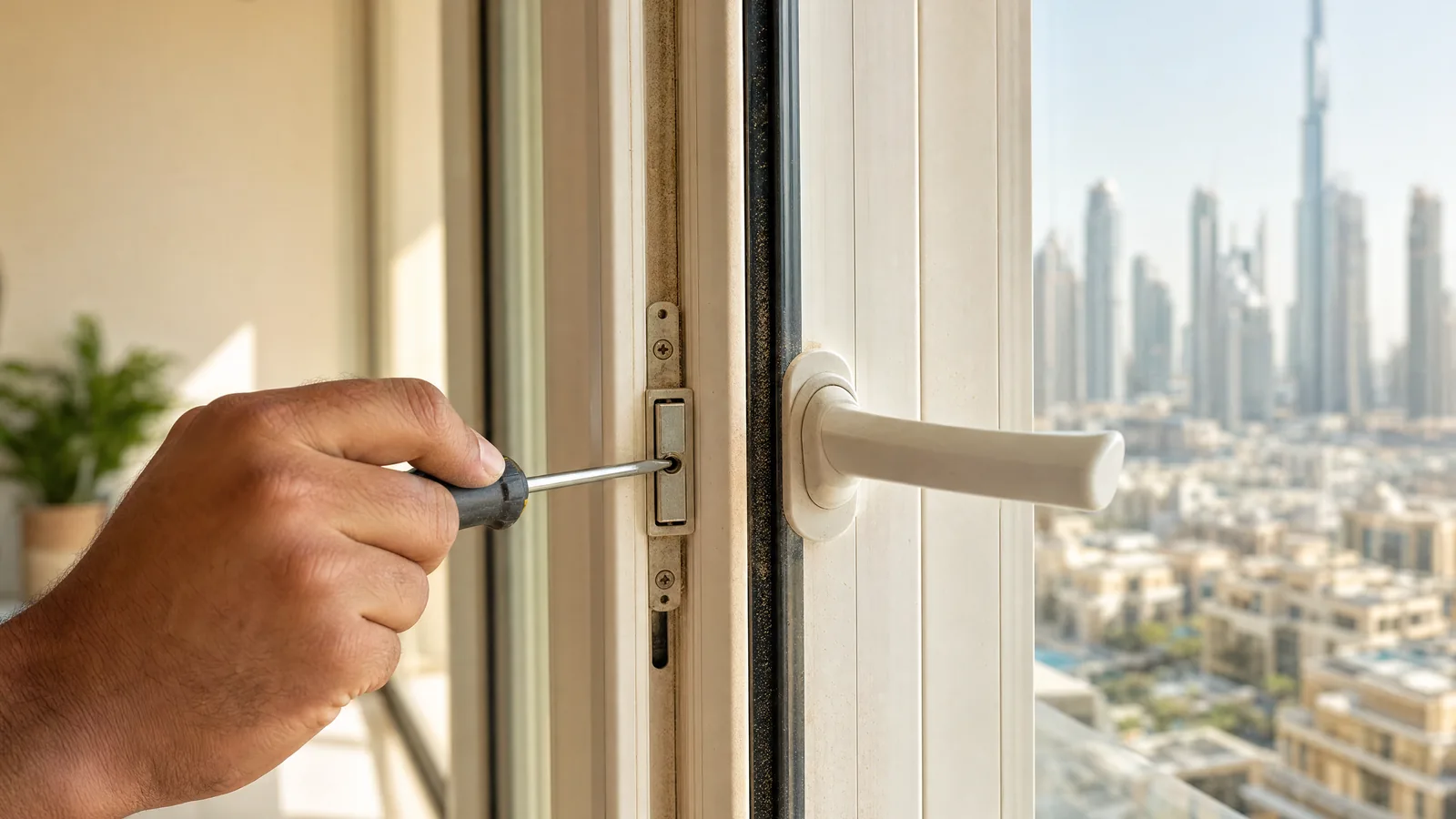
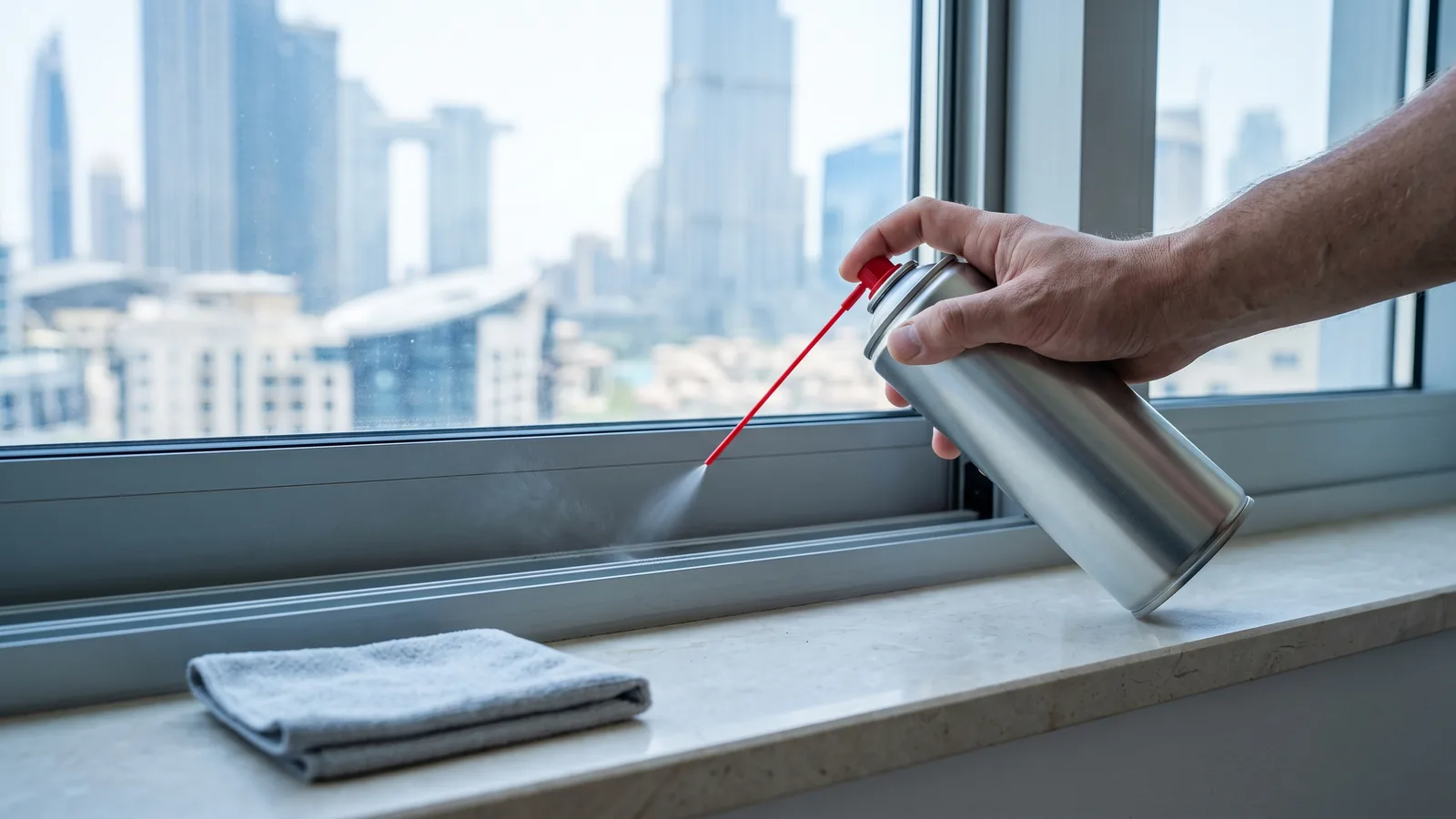
If you do one thing for your AC bill, do this. Fresh perimeter seals and gaskets, adjusted sashes that close tight again, and new brush strips on sliding doors close off the air path that makes your compressor run all day. It is quick, it is low cost, it is reversible, and on many Dubai windows it delivers the most noticeable improvement per dirham of anything you can do. You are not changing how the window looks or works, you are just making it seal the way it did when it was new.
This is also the step people skip, because a gap does not look like much. In this climate it is exactly the thing quietly running up your bill. Before you spend on glass, get the seals sorted, then decide whether the glass still needs attention. See window sealing and draught-proofing in Dubai for how we approach it.
Upgrading a failed or basic sealed unit
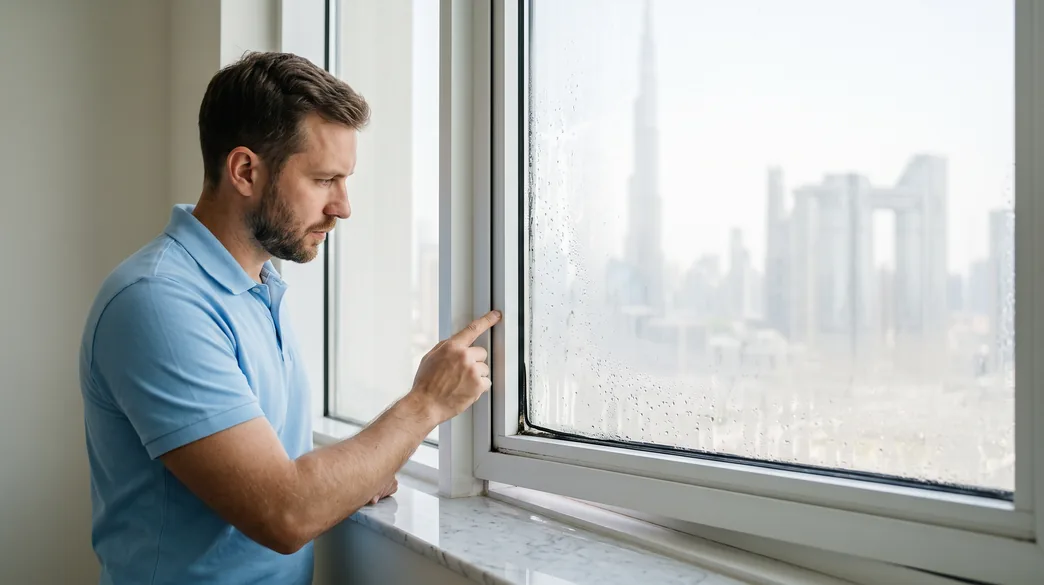
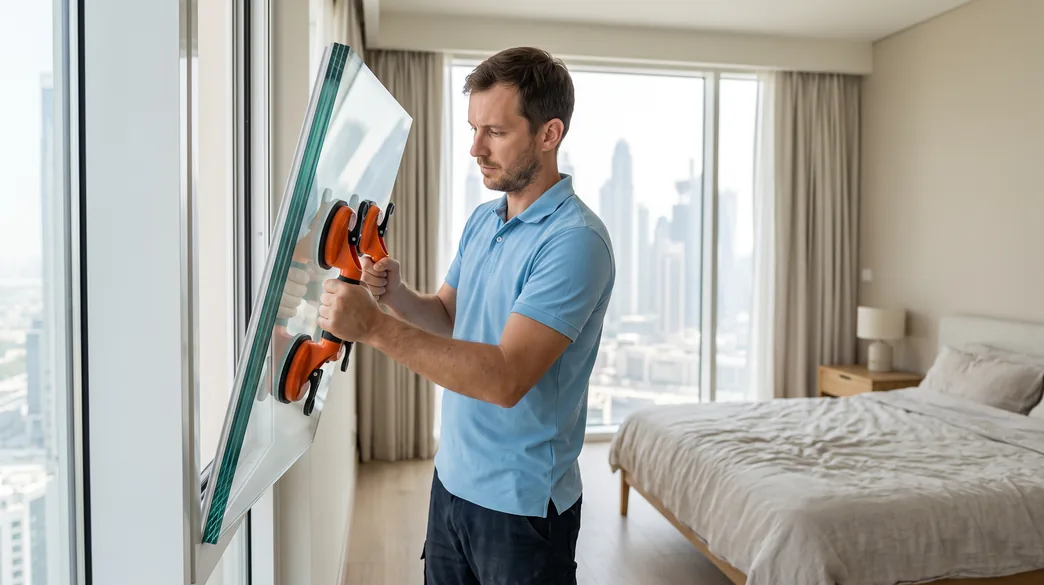
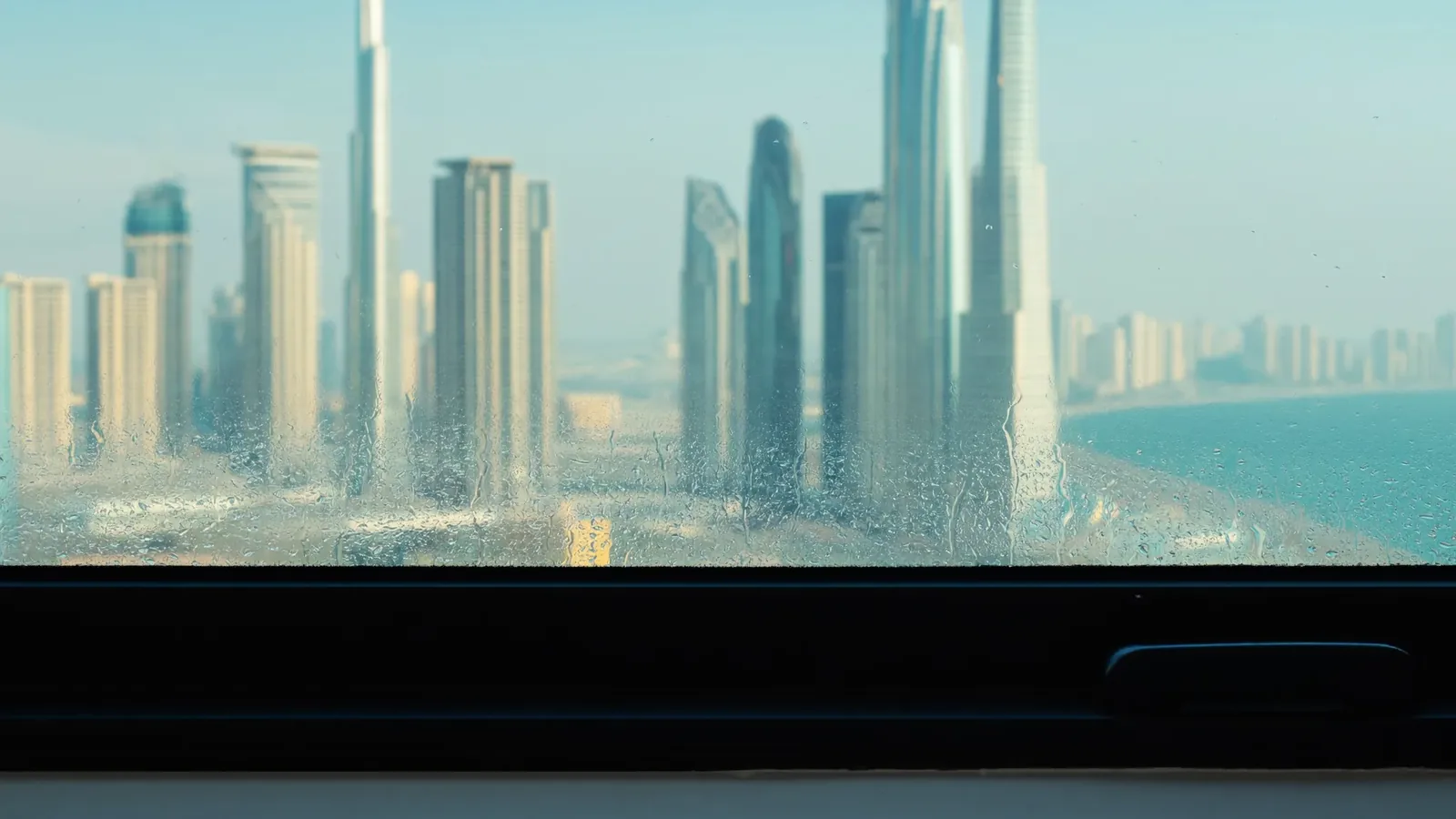
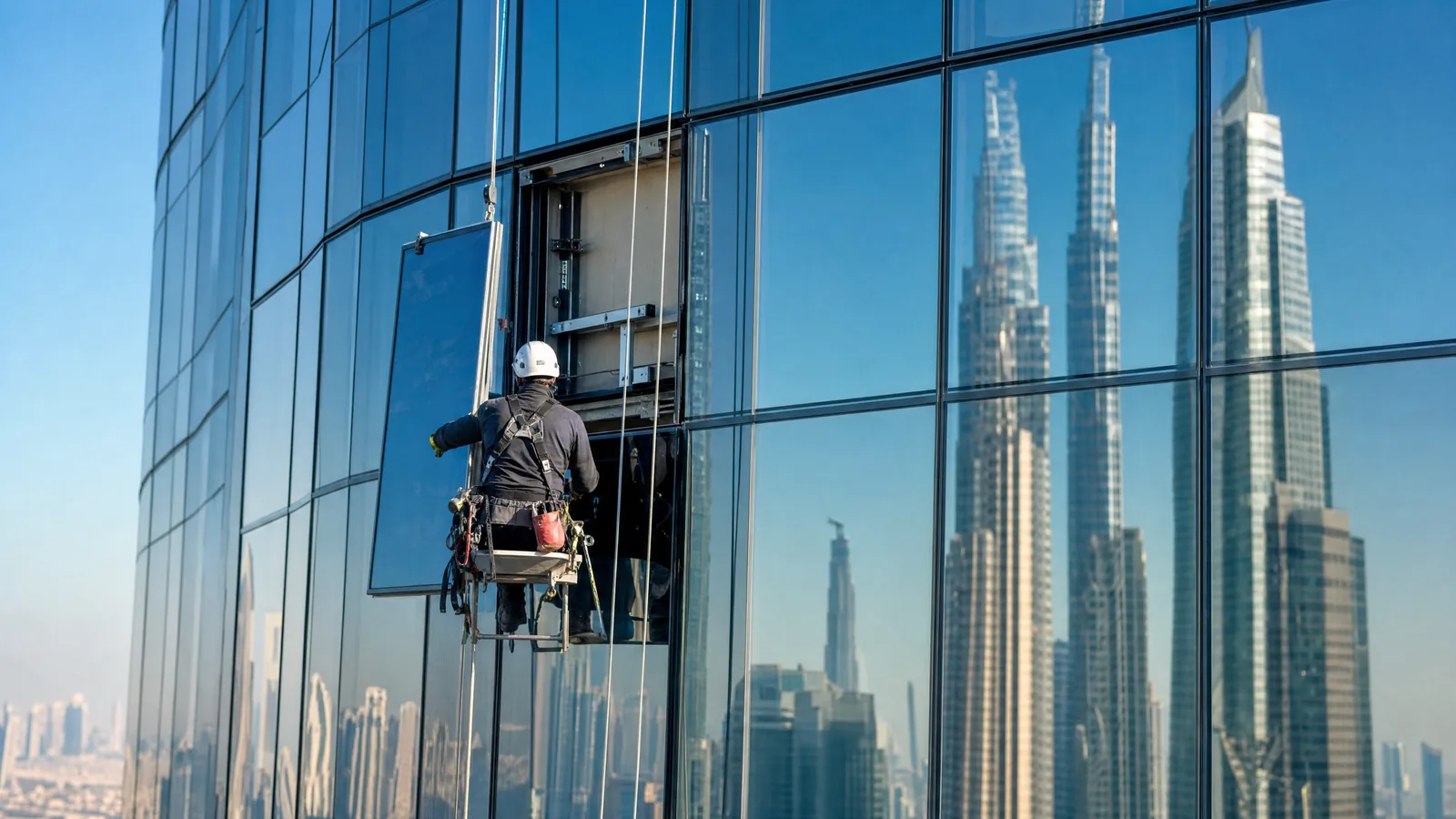
Once the frame is sealing properly, the glass is next, and here the question is the state of your sealed unit. A double-glazed sealed unit is two panes with a sealed gap between them, and that gap is what slows the heat. When the edge seal fails, the unit fogs up, the insulating gas escapes, and it stops doing its job, so a foggy or misted pane is not just ugly, it is a window that has quietly become far less efficient. The fix is to replace the failed glass unit inside your existing frame, which is much cheaper than replacing the whole window and restores the insulation you lost.
This is also the moment to upgrade rather than just repair. When a unit is being replaced anyway, you can fit a better sealed unit than the one that failed: a proper double-glazed unit if you had basic single glazing, or a solar-control unit that is built to reject Dubai sun. You keep your existing frames and just improve the glass they hold. If your glass is fogged, misted, or you suspect the seal has gone, our double glazing repair in Dubai page explains the swap.
How tinted and solar-control glass reduces heat gain
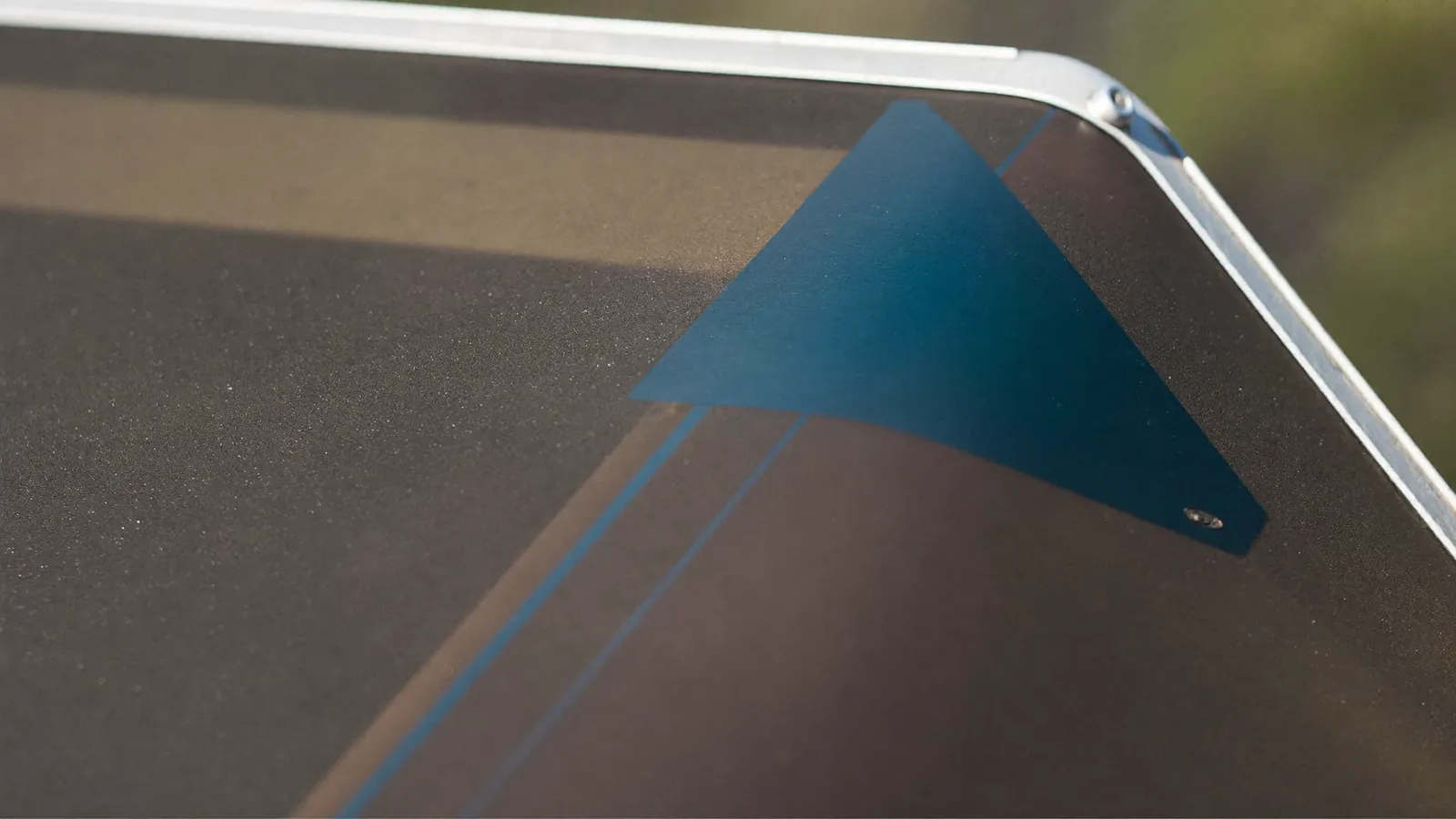
For windows that take direct sun, the glass upgrade that matters most in Dubai is solar control. Tinted and solar-control glass carries a coating or tint that reflects and absorbs a large part of the sun's heat before it enters the room, so the space stays cooler on its own and the AC has less work to do. Clear glass lets that radiant heat pour straight in. Solar-control glass turns much of it away at the window.
The practical effect is a room that does not spike in temperature every afternoon, which means the AC cycles less to hold the same setting. It also reduces glare and the fading that strong sun does to furniture and floors. You do not need it on every window, only the ones that catch real sun, and it can be fitted as the glass in a new sealed unit when you are upgrading anyway. For the sun-facing rooms that overheat, this is usually the highest-impact glass choice in this climate.
The overlap with acoustic upgrades
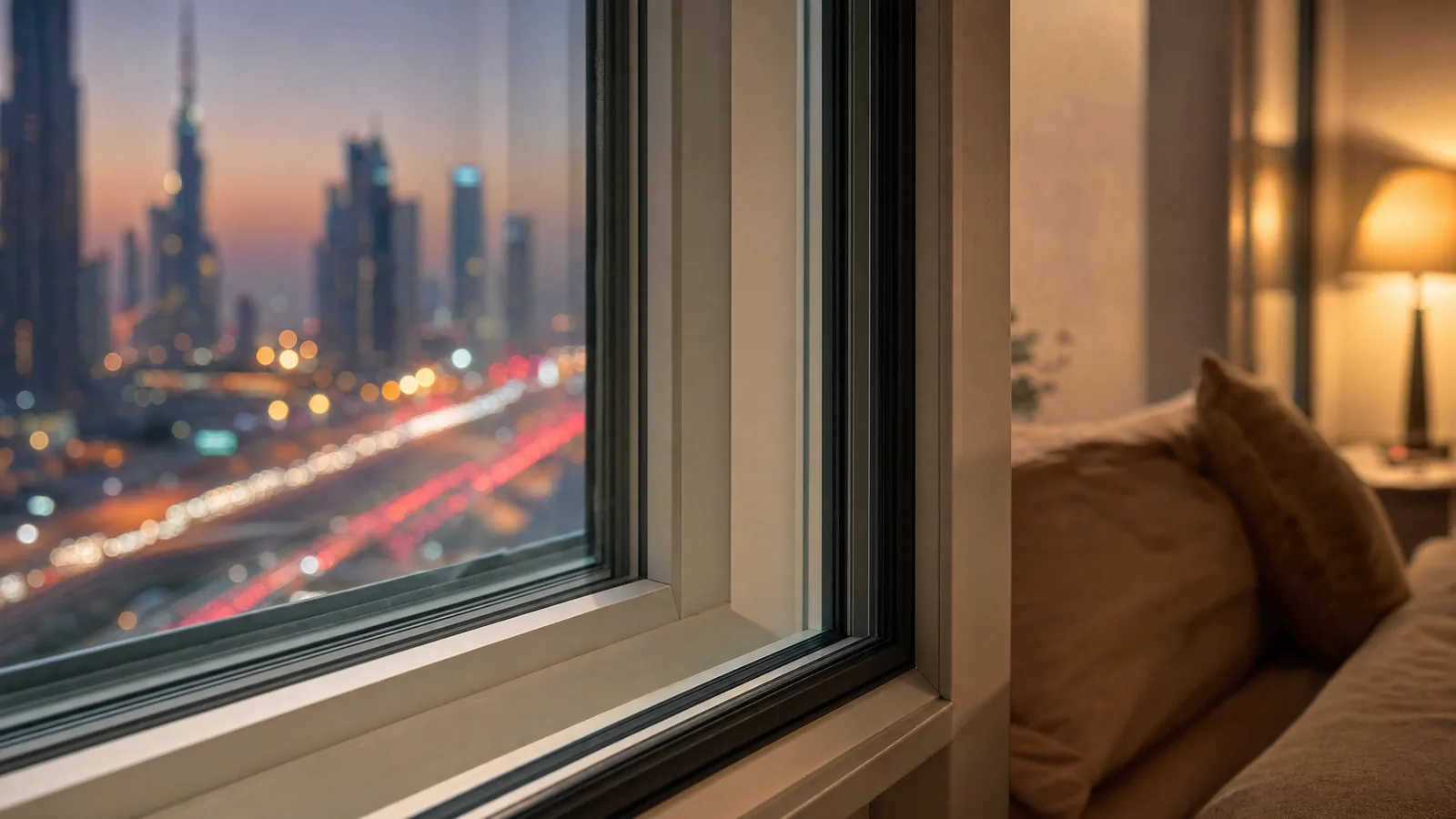
There is a useful bonus here. The same properties that make a window quieter also make it insulate better, because both come from mass, layers, and a well-sealed gap. An acoustic or laminated glass unit, or a secondary glazing layer added inside, adds material and separation that slows heat as well as sound. So if you are already thinking about traffic or construction noise, the upgrade you choose can pull double duty on your AC bill, and if you are upgrading for heat, you often get a quieter room as a side effect. Our window soundproofing in Dubai page covers the acoustic options, and many of them insulate at the same time.
Why repair and upgrade beat full replacement for most homes
Full window replacement is expensive, disruptive, and in a lot of Dubai buildings restricted by facade rules or your tenancy. It is also rarely necessary. For most homes the efficiency you lose is in the seals and the glass, and both can be renewed inside the frames you already have, at a fraction of the cost and with far less mess. New seals stop the air leaking. A new sealed unit, or a solar-control one, fixes the glass. You end up with a window that performs like a much newer one without the price or the permission problems of ripping it out.
Replacement makes sense when the frame itself is genuinely failing, warped, corroded, or beyond adjustment. Short of that, repair and upgrade is the honest recommendation for cutting your AC bill, and it is where your money goes furthest.
Getting your windows assessed in Dubai
The fastest way to know where your cooling is going is to have someone look. We are based in Al Barsha and reach most of Dubai in around 30 minutes, and we give a free on-site fixed quote after checking your seals, your frames, and the state of your glass. We have been repairing and upgrading windows across Dubai since 2014, every job carries our 2-year warranty, and our emergency line is open 24/7 on +971 50 220 6918. Reach us through the contact page, and for more guides see the blog.