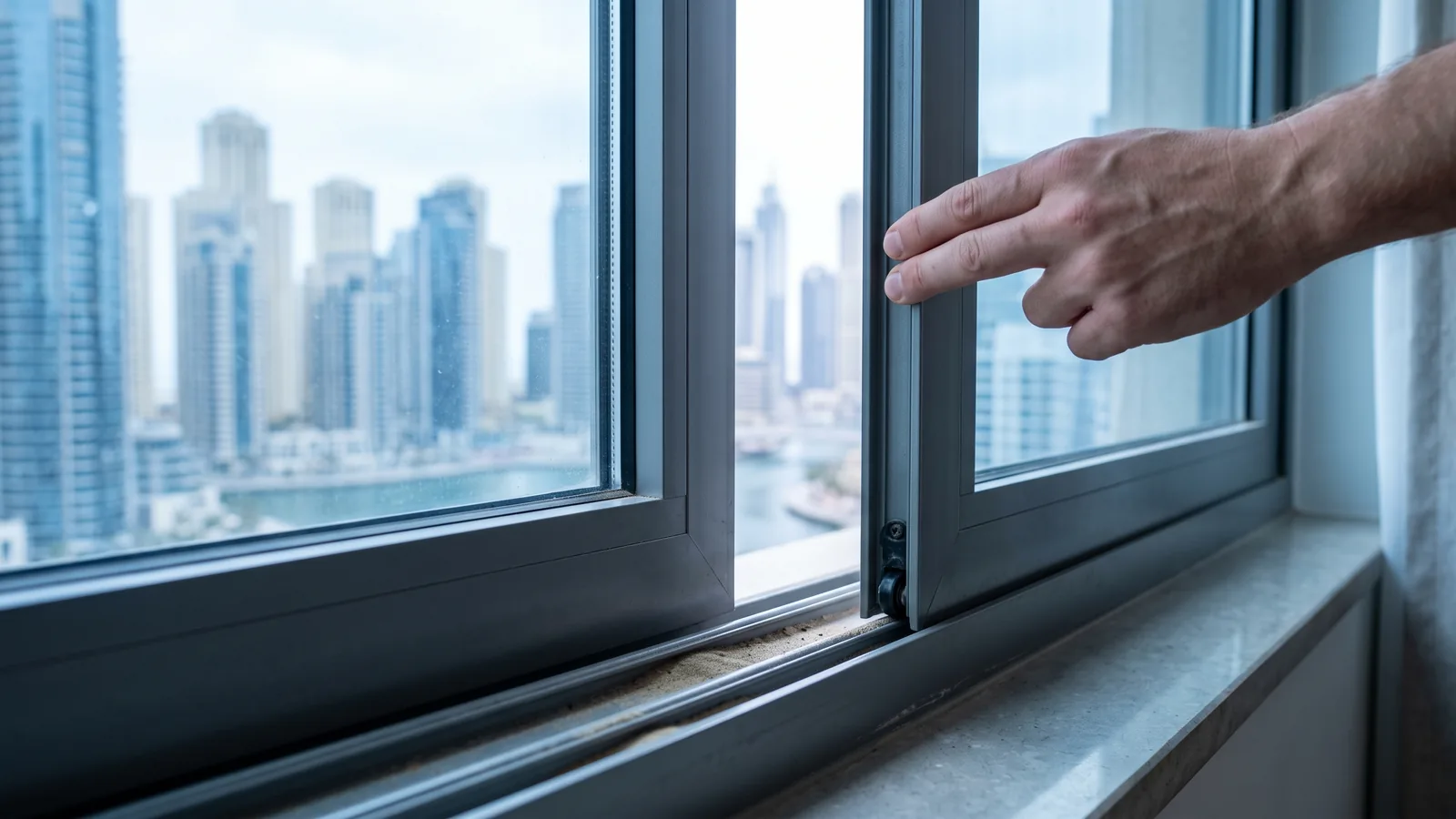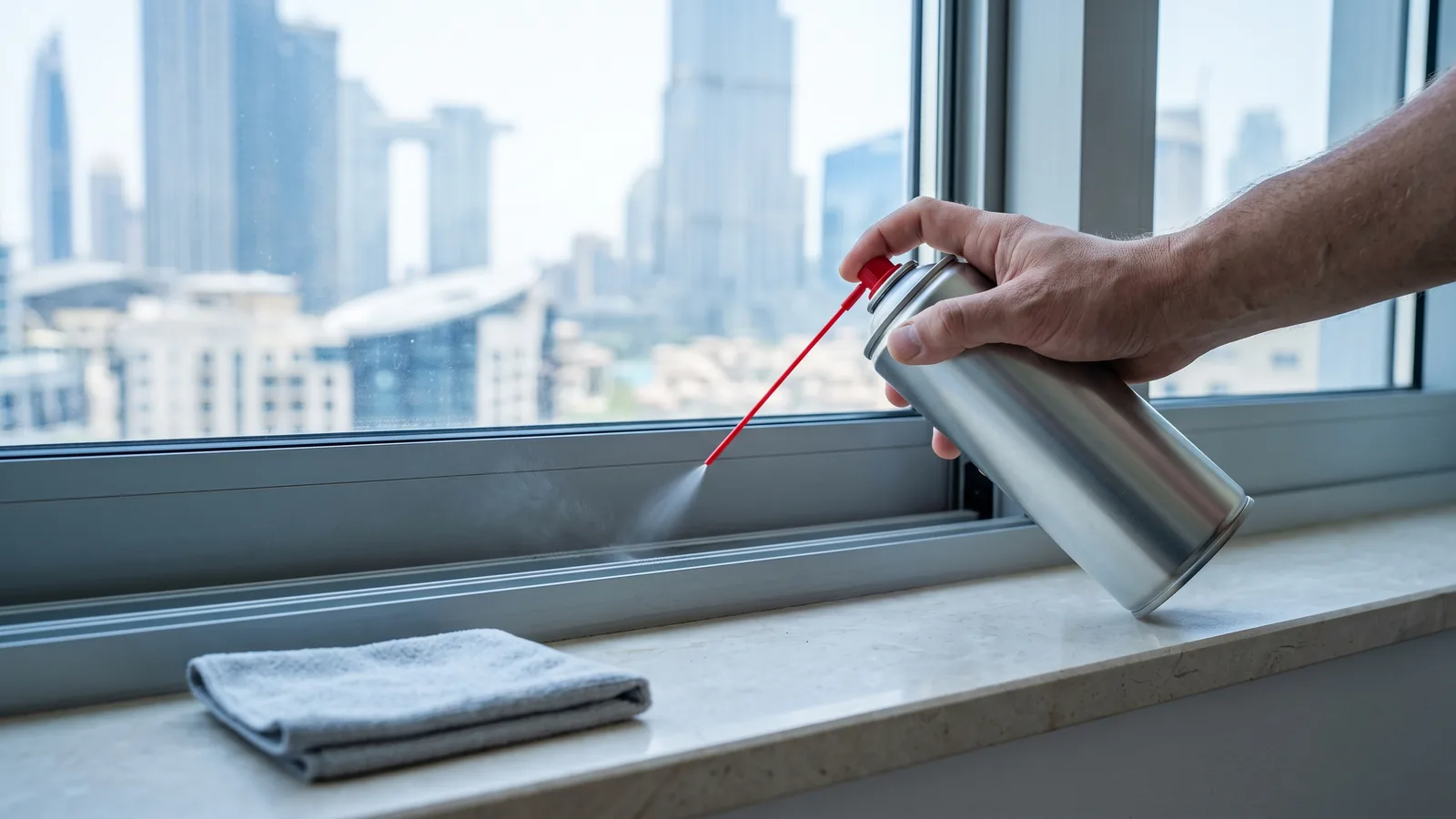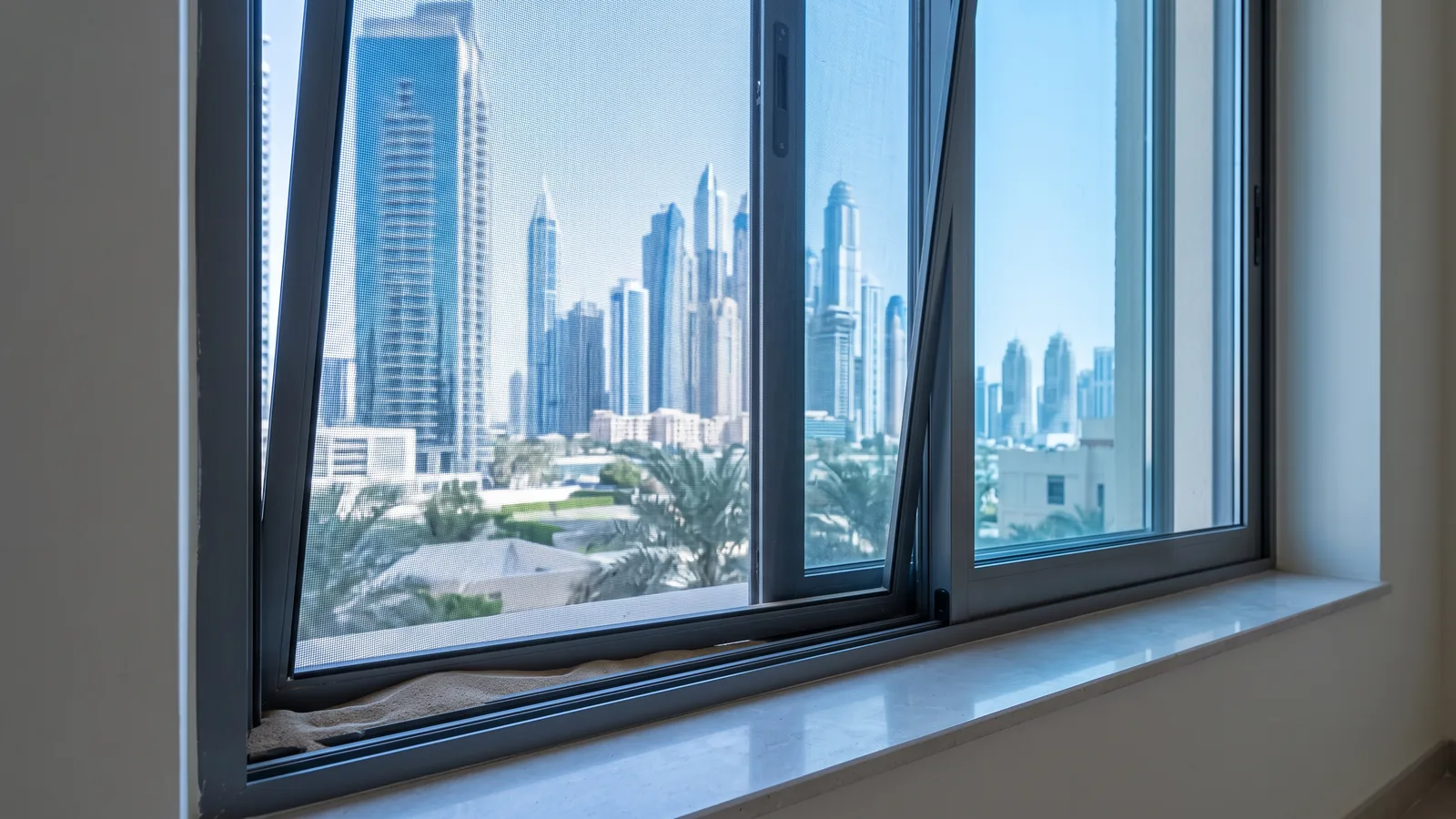





If you are choosing between aluminium and uPVC windows, or just trying to understand what you already have before repairing it, the honest answer is that both work well in the UAE. They fail differently, cost differently, and suit different buildings. Here is how they actually compare in Dubai's heat and dust, from a team that repairs both every day.
Most windows in UAE towers and villas are aluminium. uPVC is more common in newer villa developments and where owners specifically chose it for insulation. Knowing which you have tells you what tends to go wrong and what a repair involves.
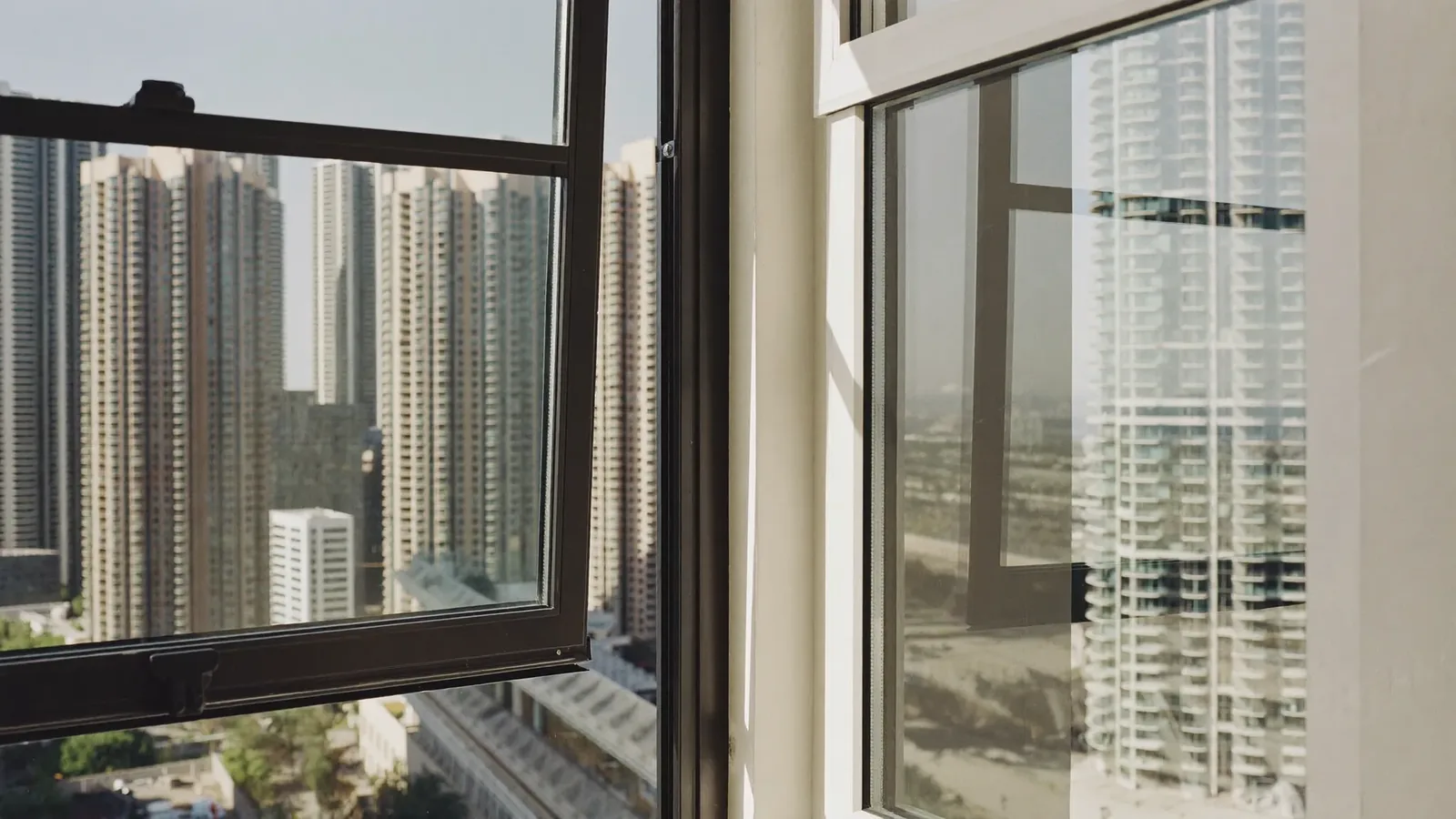
The short comparison
| Aluminium | uPVC | |
|---|---|---|
| Strength / slim frames | Stronger, slimmer sightlines, spans big glass | Bulkier frames, limited on very large panes |
| Heat insulation | Lower unless thermally broken | Better insulator by nature |
| Dubai heat & UV | Very stable, does not warp | Good quality holds up; cheap uPVC can discolour or warp over years |
| Coastal / salt air | Can pit if hardware is low grade | Unaffected by salt |
| Typical faults | Rollers, hinges, seals, occasional corrosion | Handles, multi-point locks, hinges, seals |
| Repairability | Excellent, frame lasts decades | Excellent for hardware; frame harder to modify |
| Cost | Usually higher | Usually lower |
Heat and cooling
uPVC insulates better on its own, so it can help keep cooled air in and cut AC load a little. Aluminium conducts heat, so a plain aluminium frame transfers more, unless it is a thermally broken system with an insulating barrier in the frame. In practice, the bigger factor for both is the glass and the seals. A well-sealed aluminium window with a good double-glazed unit outperforms a poorly sealed uPVC one. If your rooms feel hot near the windows, double glazing and sealing usually matter more than the frame material.
Dust, salt and the Dubai climate
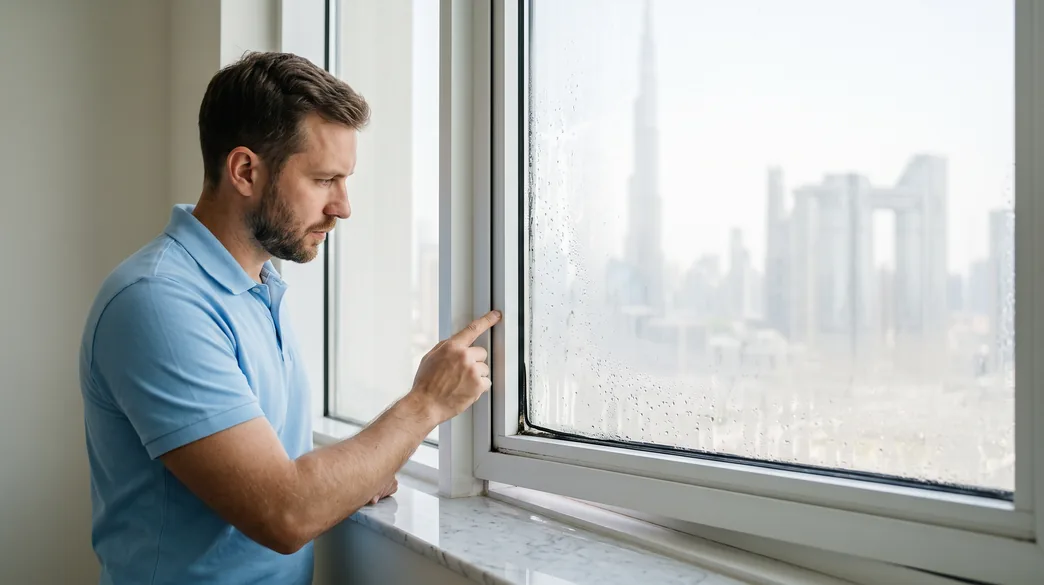
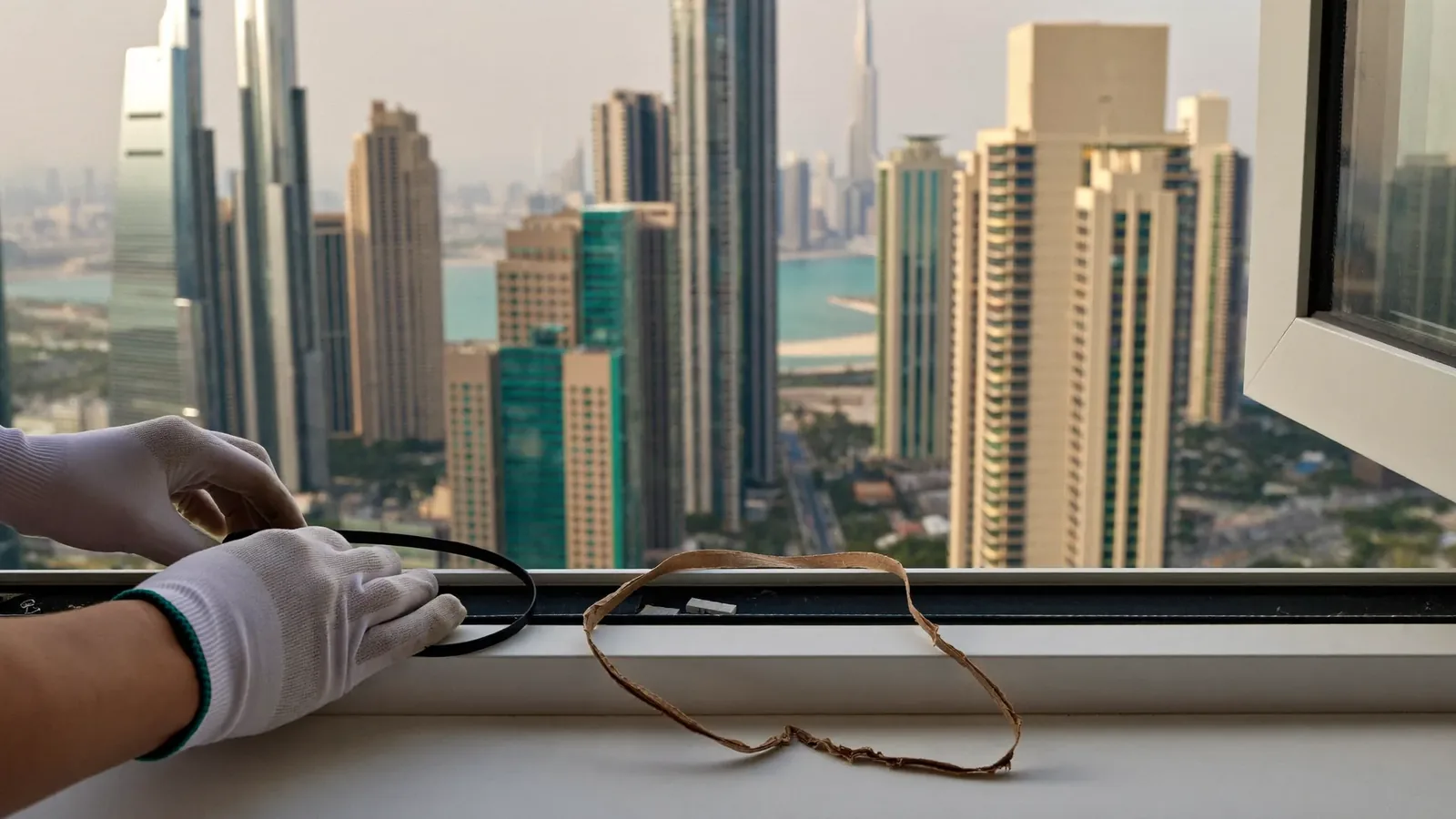
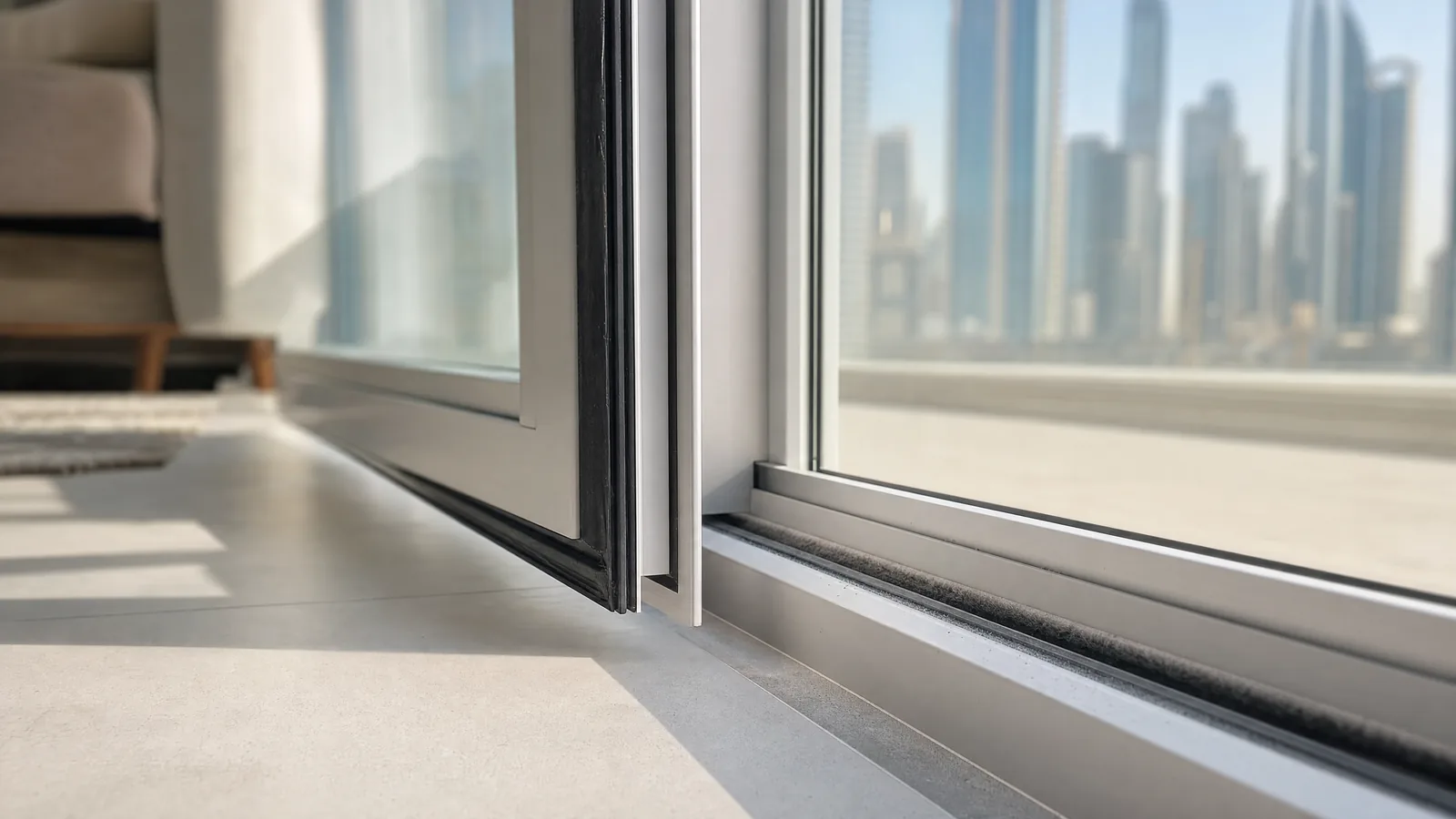
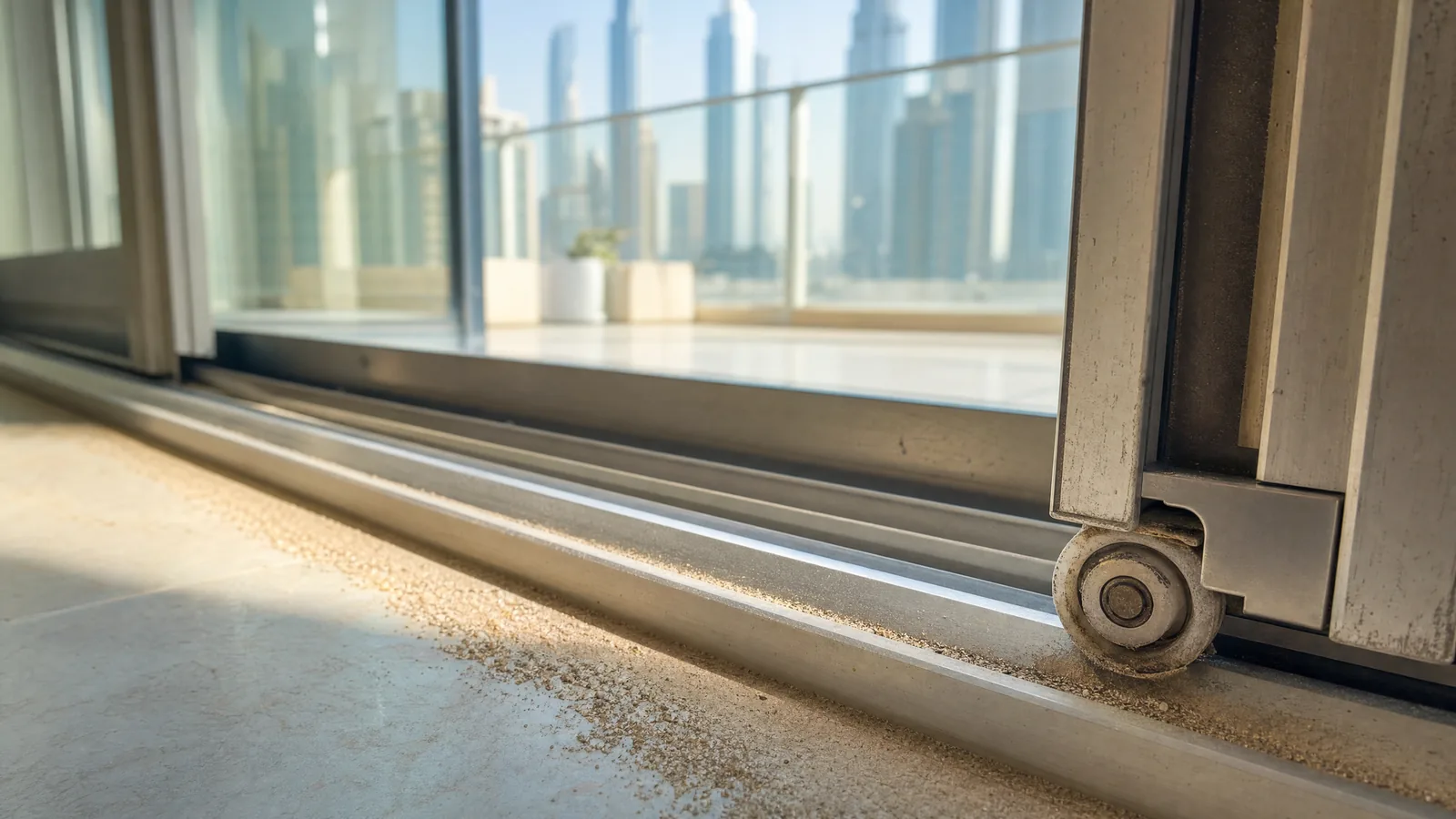
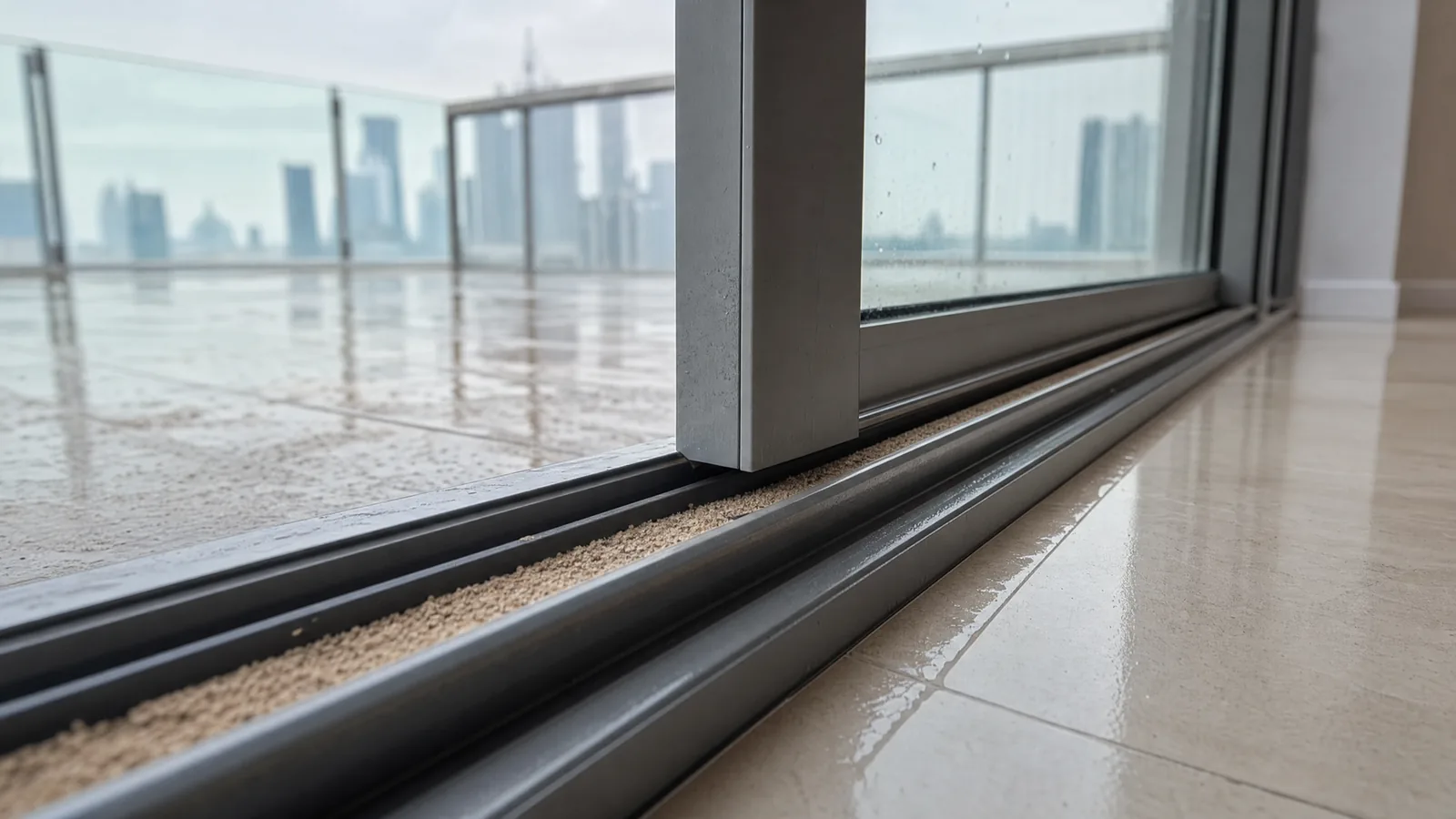
Aluminium shrugs off UV and heat and will not warp. Its weak point is hardware near the coast, where salt air can pit low-grade rollers and fittings, common in Marina and JBR. uPVC ignores salt entirely, but budget-grade uPVC can yellow or soften over many years of direct desert sun. Quality uPVC with UV stabilisers holds up fine. Both suffer the same enemy at the seals: the rubber gaskets harden and shrink in the heat regardless of frame material, which is why draught-proofing is the most common maintenance job we do on either.
Noise
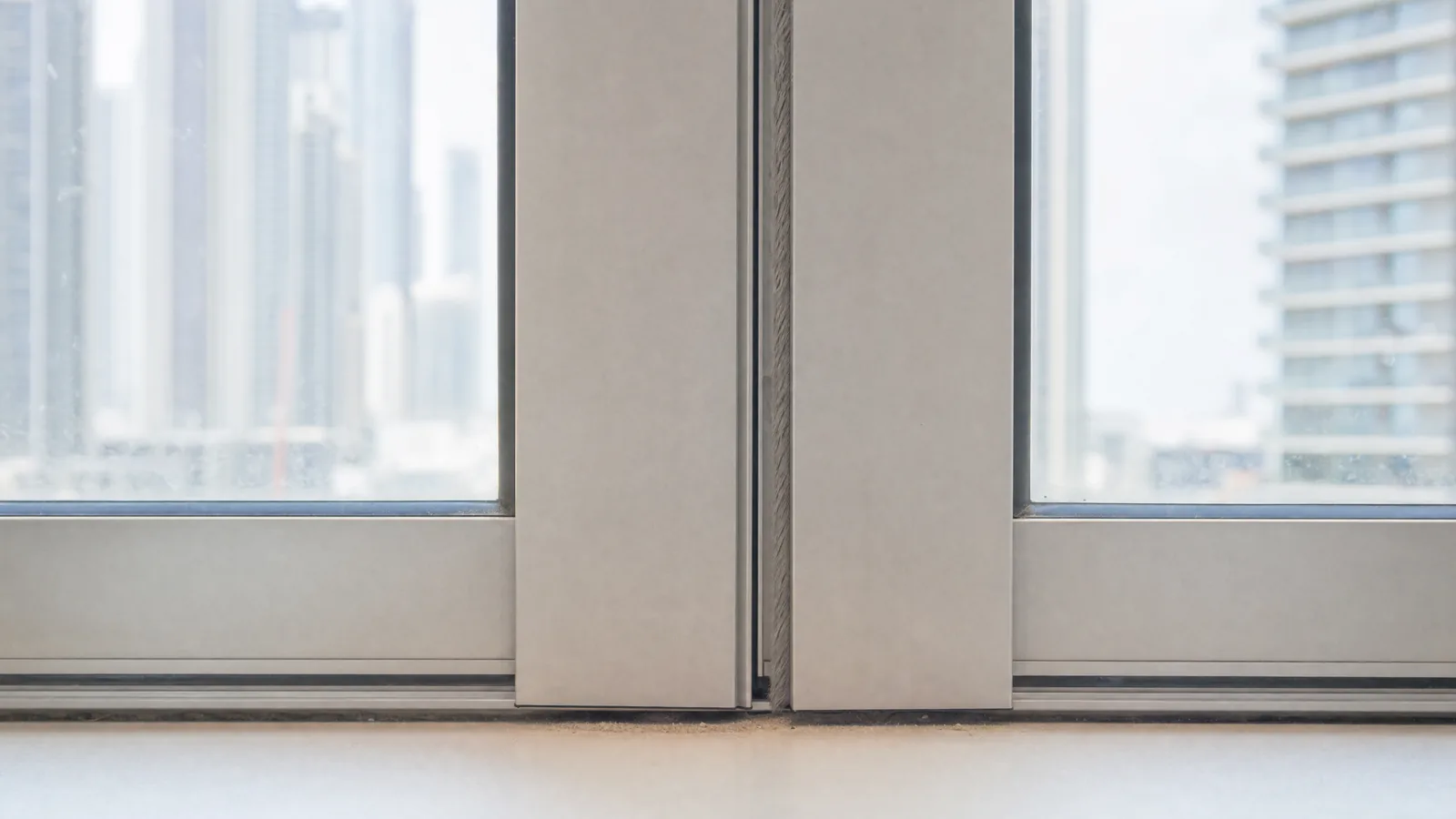
Frame material barely matters for noise. What matters is the glass and the seal. Laminated acoustic glass and a tight seal cut street noise far more than switching aluminium for uPVC would. If noise is the problem, keep your frames and treat the glass. See window soundproofing.
Repair or replace?
For most UAE windows the answer is repair. Both aluminium and uPVC frames outlast their moving parts by years, so the fault is nearly always hardware or glass, not the frame:
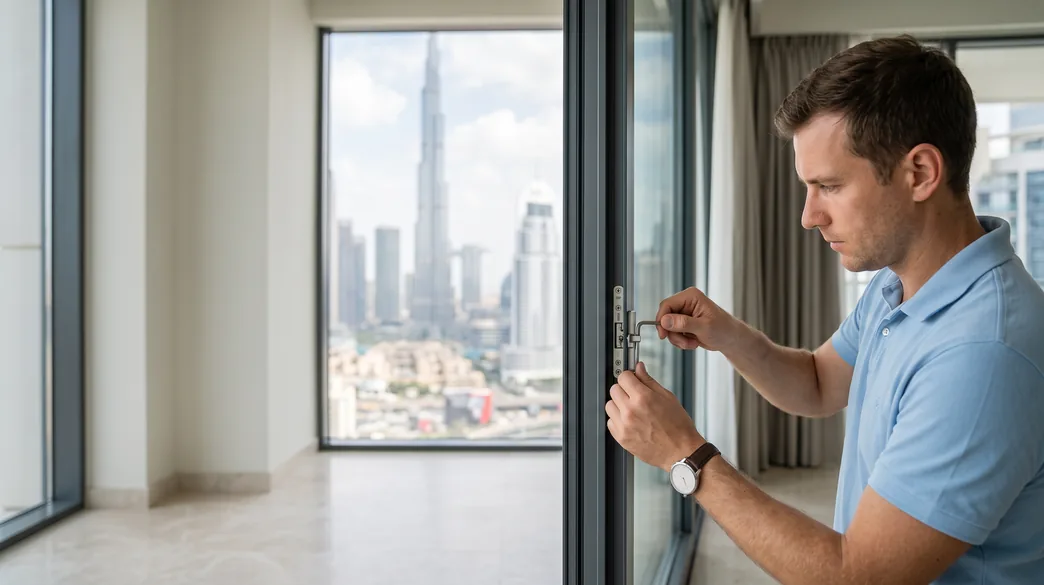
- Aluminium faults are usually rollers, hinges, handles or seals. The frame itself rarely needs replacing. See aluminium window repair.
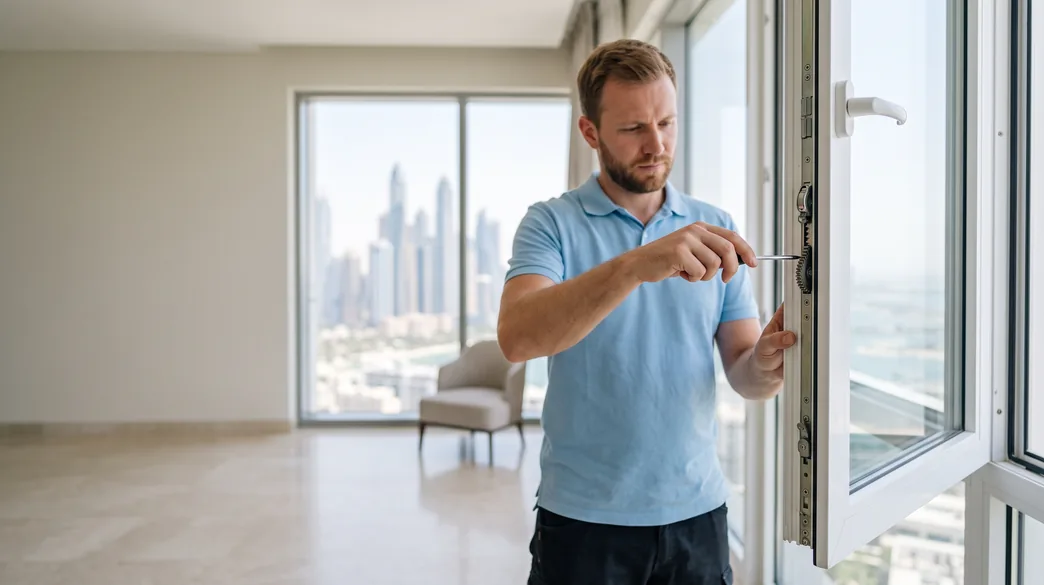
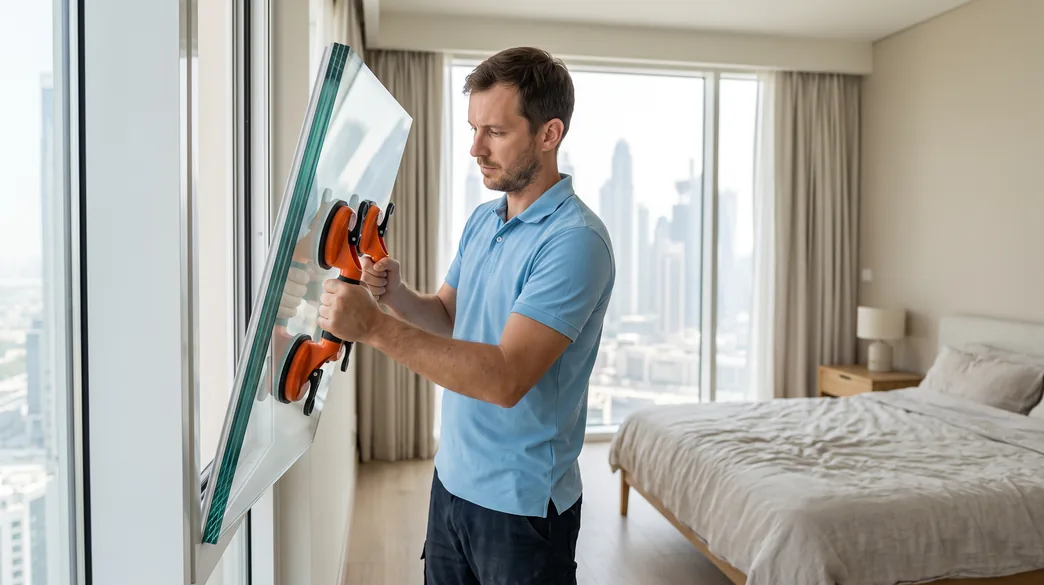
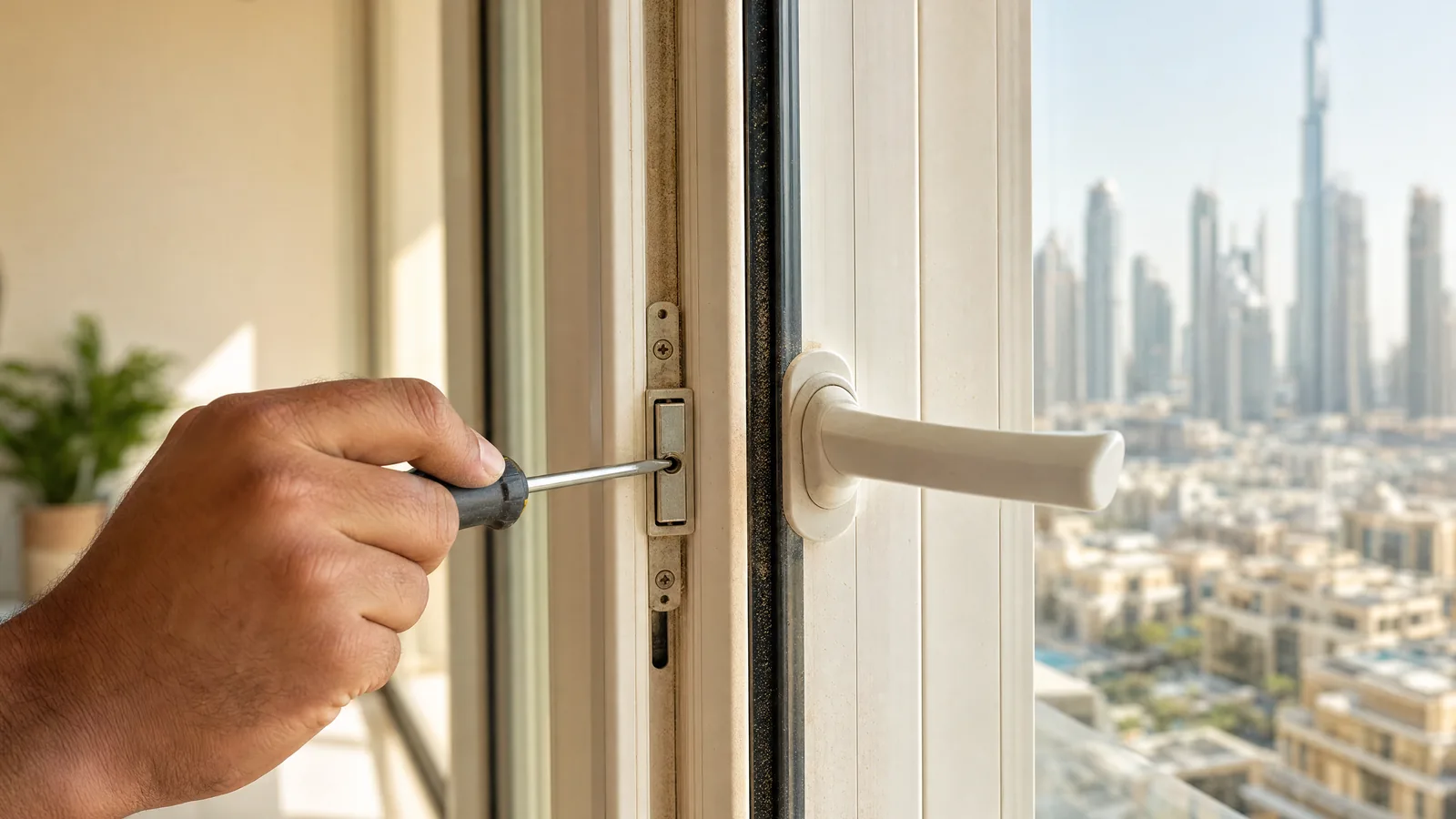
- uPVC faults are usually the handle, the multi-point lock, the hinges or a blown sealed unit. See uPVC window repair.
Full replacement only makes sense when a frame is corroded through, warped, or you are renovating anyway. If someone quotes you new windows for a sticking door or a foggy pane, get a second opinion first.
Which should you buy?
If you are fitting new and want slim frames, big glass and coastal durability, aluminium, ideally thermally broken. If insulation and lower cost lead your list and the spans are modest, uPVC. For most repair decisions, though, the material you already have is fine to keep. Fix the part that failed and the window will serve for years more.
Not sure what you have or what it needs? Send a photo on WhatsApp and we will tell you the frame type and the likely fix, free.