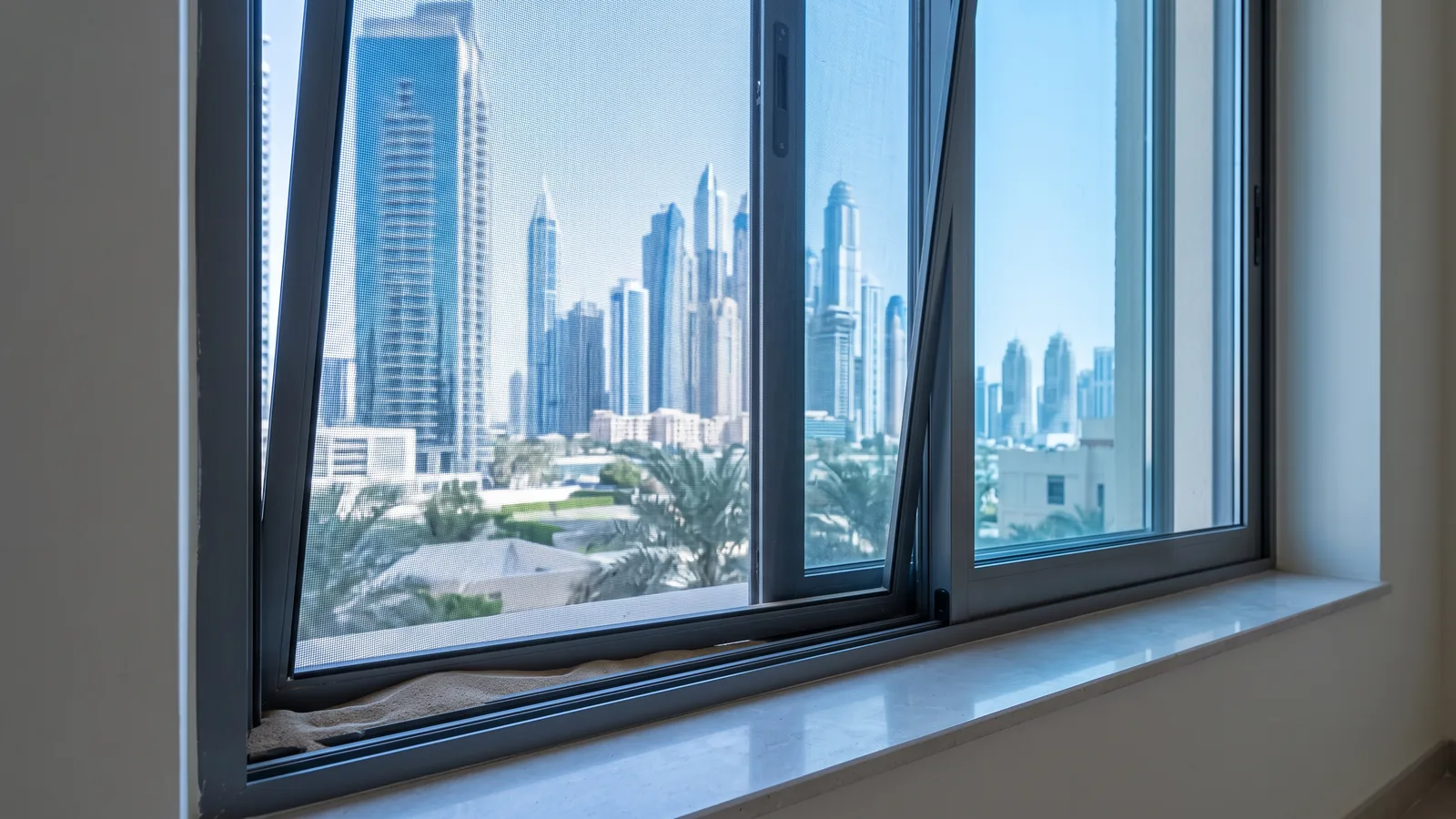





A draught along the meeting stile, the vertical joint where two sashes meet in the middle of a window or sliding door, is almost always a worn brush seal, a closure that no longer pulls the sashes together, or a loose false mullion on a hinged pair. None of those means the window has failed. New seals and a proper adjustment close the joint in a single visit at a fraction of the cost of new frames; replacement only comes up when the whole system is worn out.
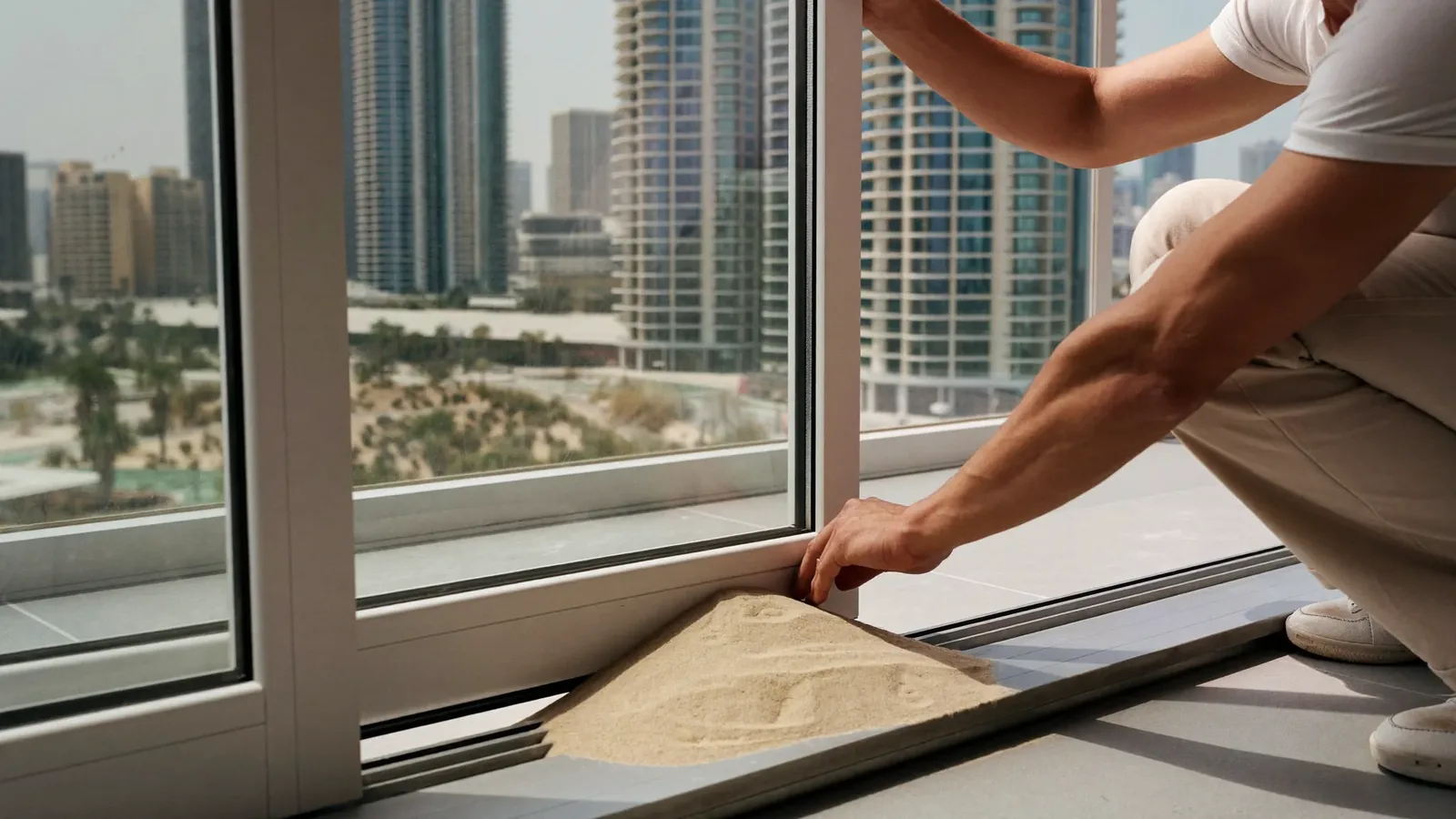
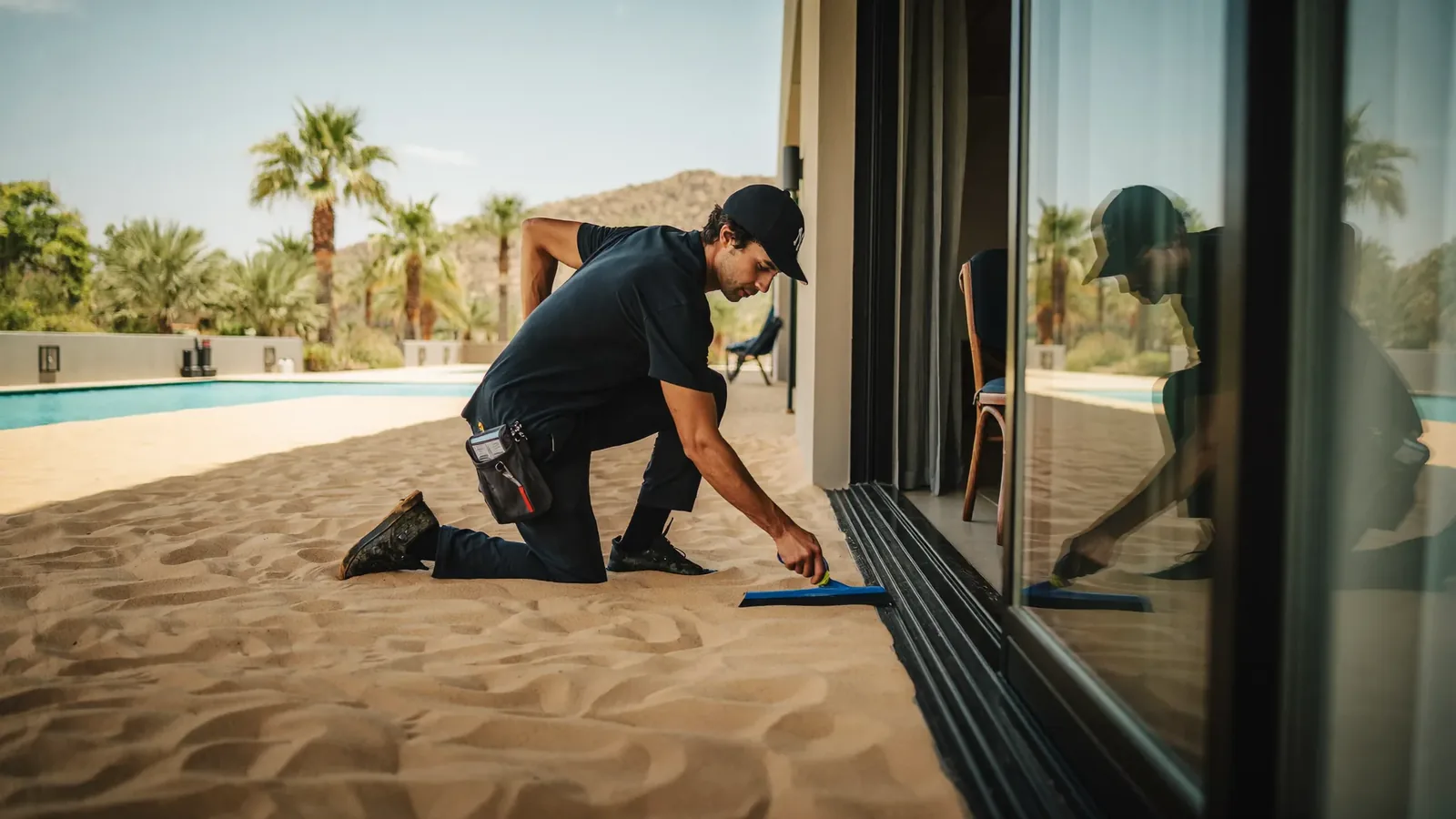
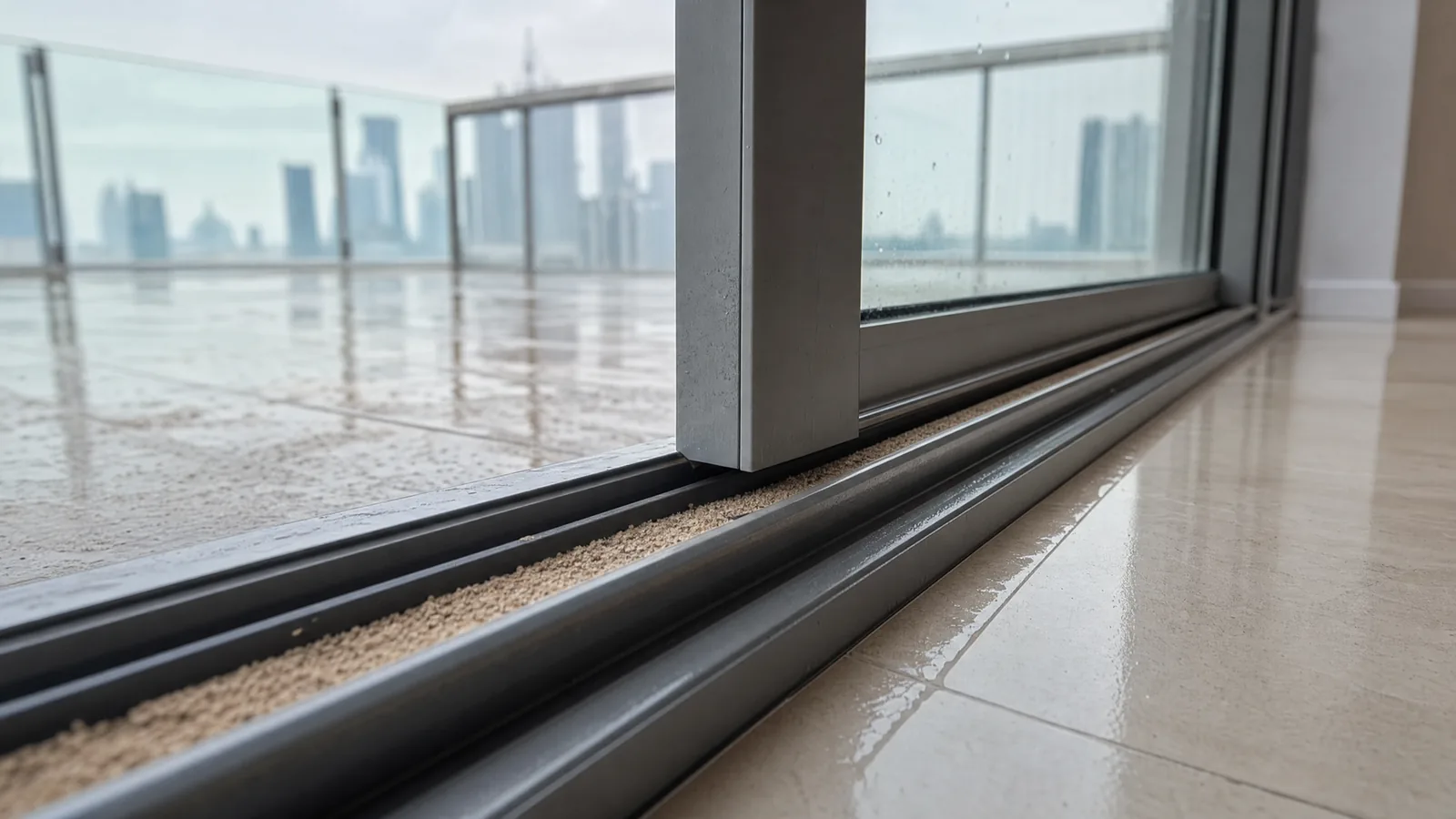
Dubai works this joint harder than any other part of the window. It seals sash against sash rather than sash against frame, so everything depends on a strip of pile or rubber staying springy and on both sashes being drawn evenly together. Heat and UV tire the strip, desert dust grinds it down, daily opening loosens the pull, and a thin line of warm air, dust and street noise arrives through the middle of a window that looks shut.
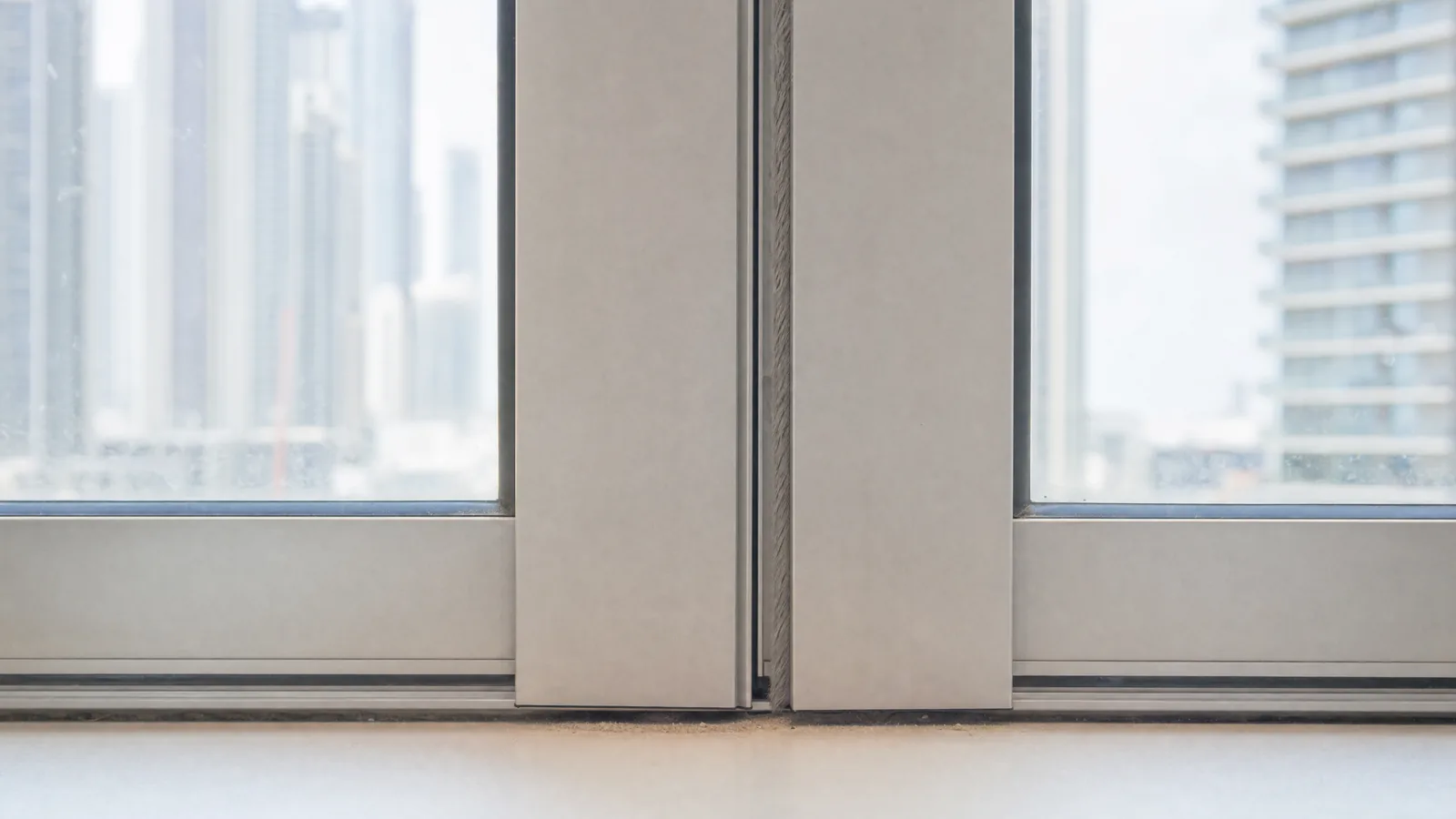
What the meeting stile actually is
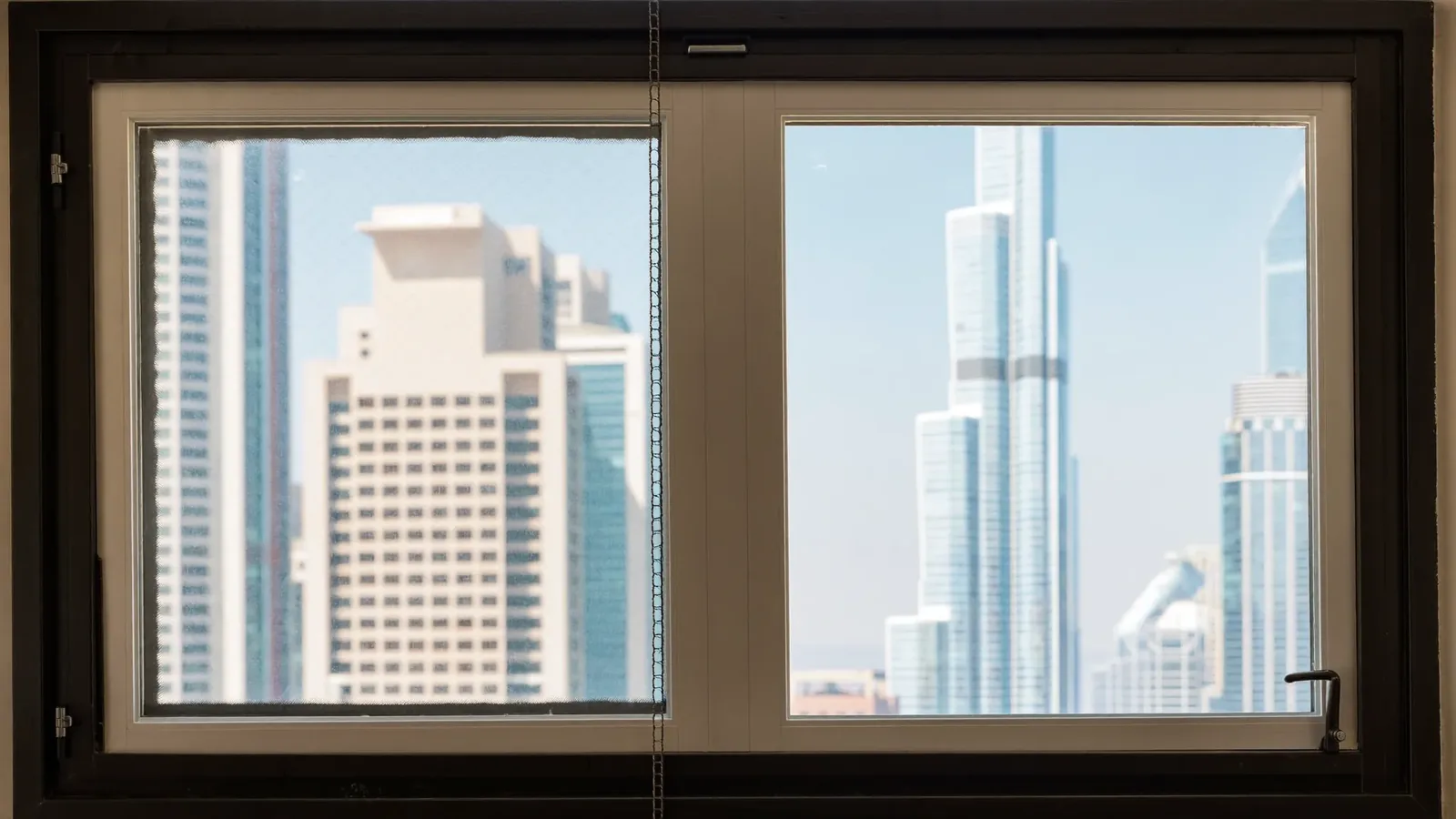
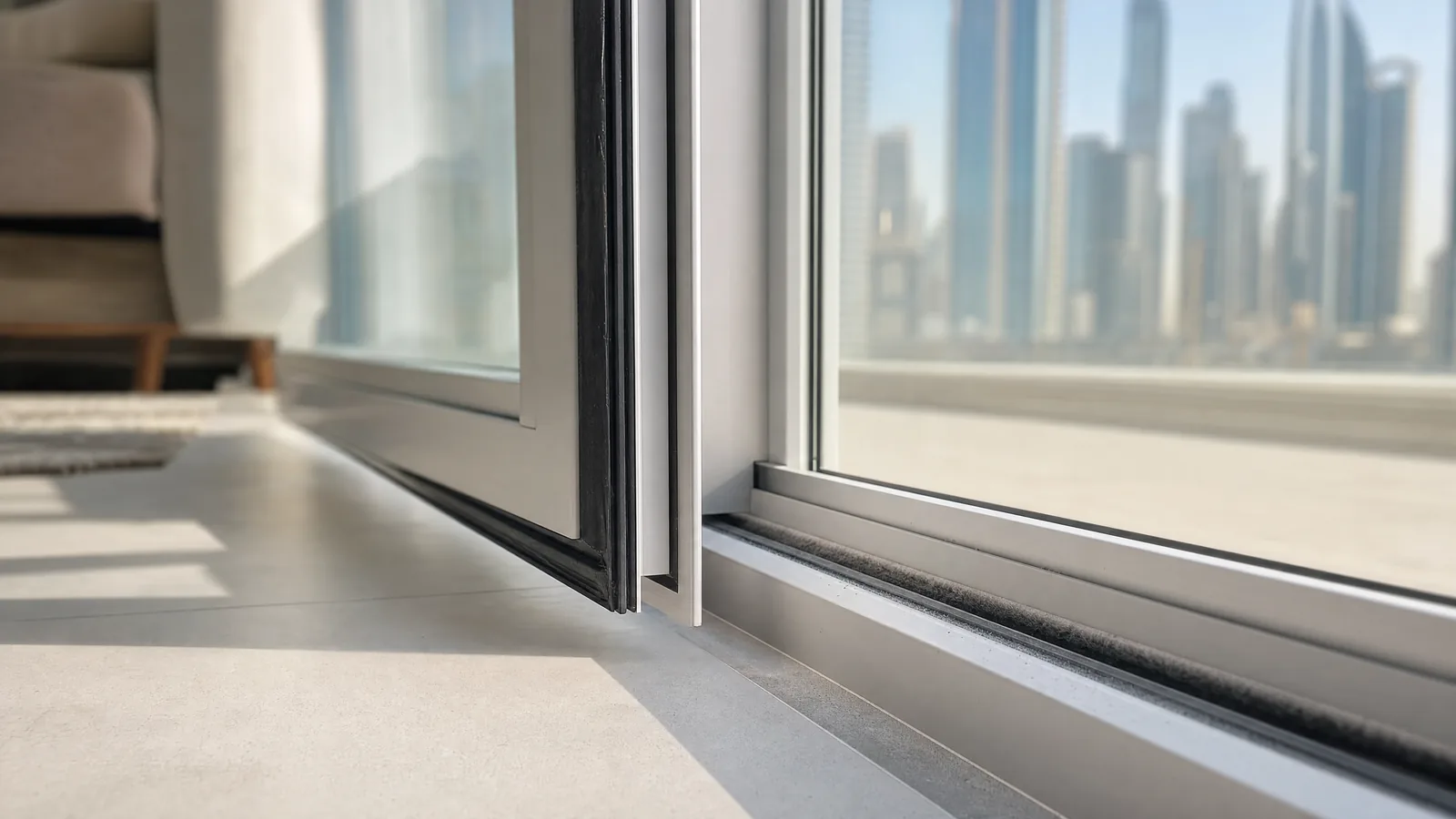
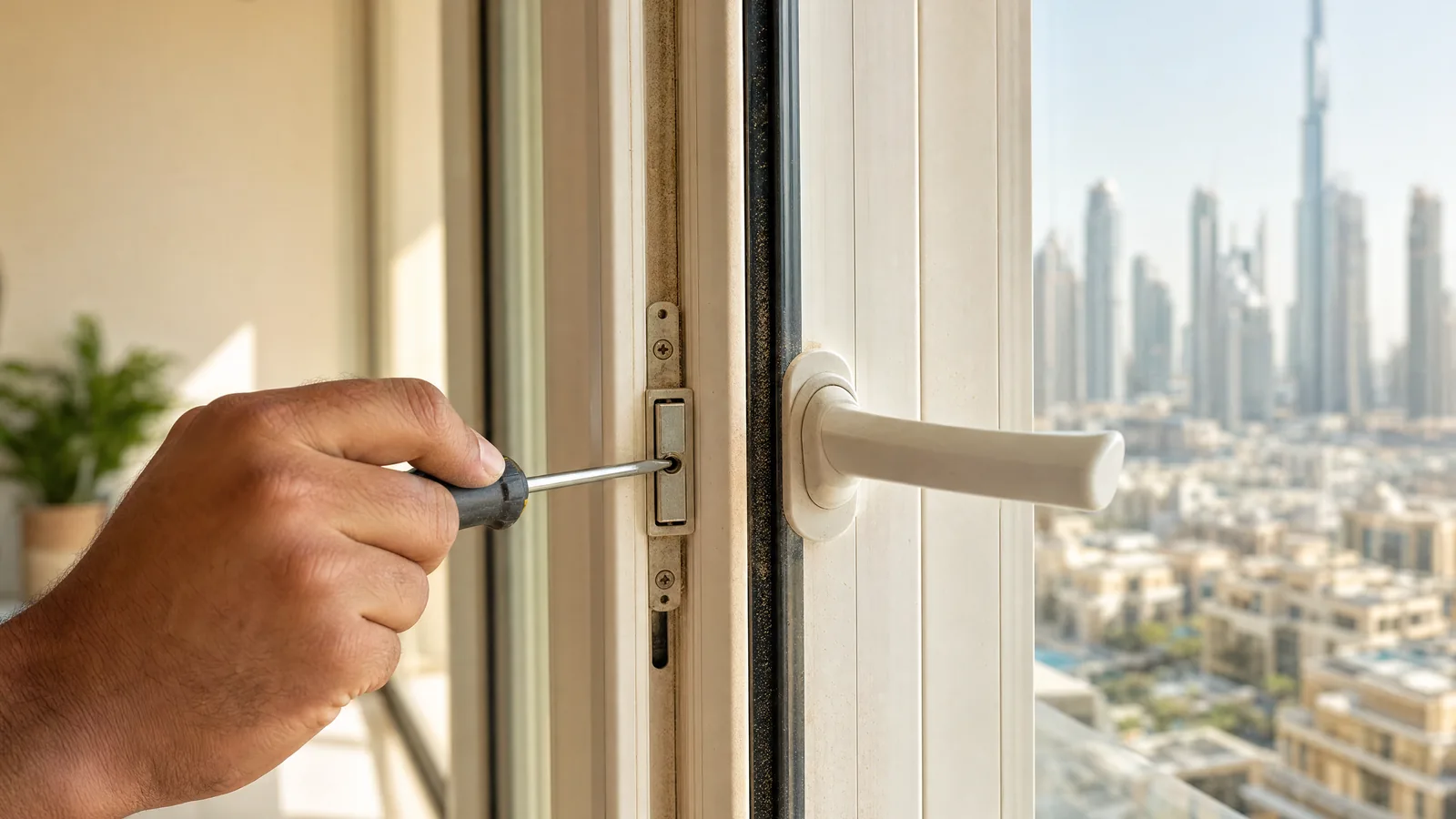
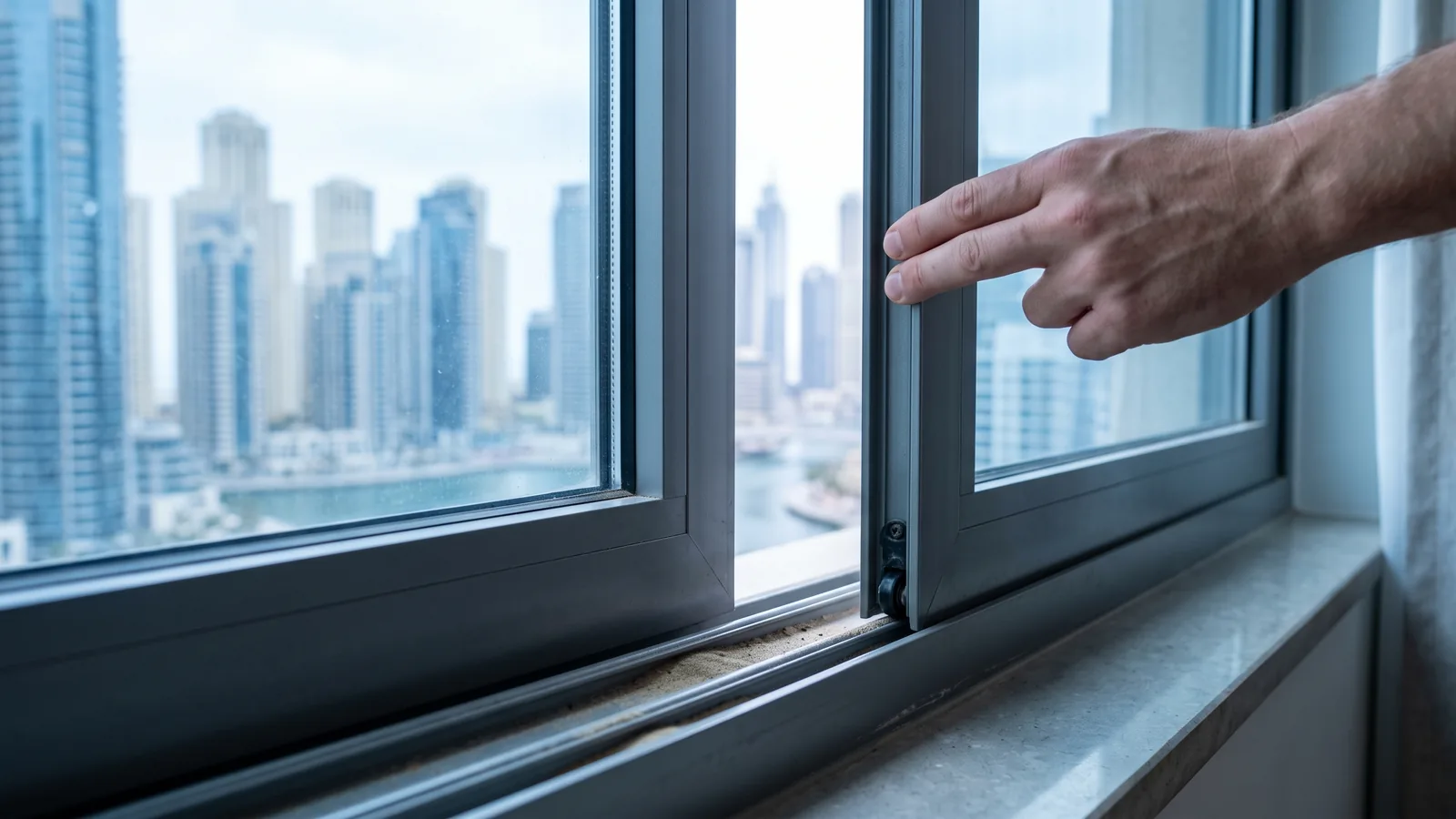
Look at a two-panel sliding door: the vertical bar where the panels overlap is the meeting stile, sometimes called the interlock. Each panel carries a hooked aluminium edge, the two hook loosely past each other, and a felt or brush strip set into the interlock is all that blocks the air. On hinged pairs such as French windows, the sashes meet instead on a slim post called a false mullion. Unlike a real mullion it is not part of the frame; it travels on one sash, and the pair only seals when the active sash clamps firmly against it.
That is why the middle leaks first: every other edge of a sash closes against solid frame with a continuous gasket, while the meeting stile has no frame behind it, only two moving parts relying on a seal and on tension.
Why the draught starts exactly there
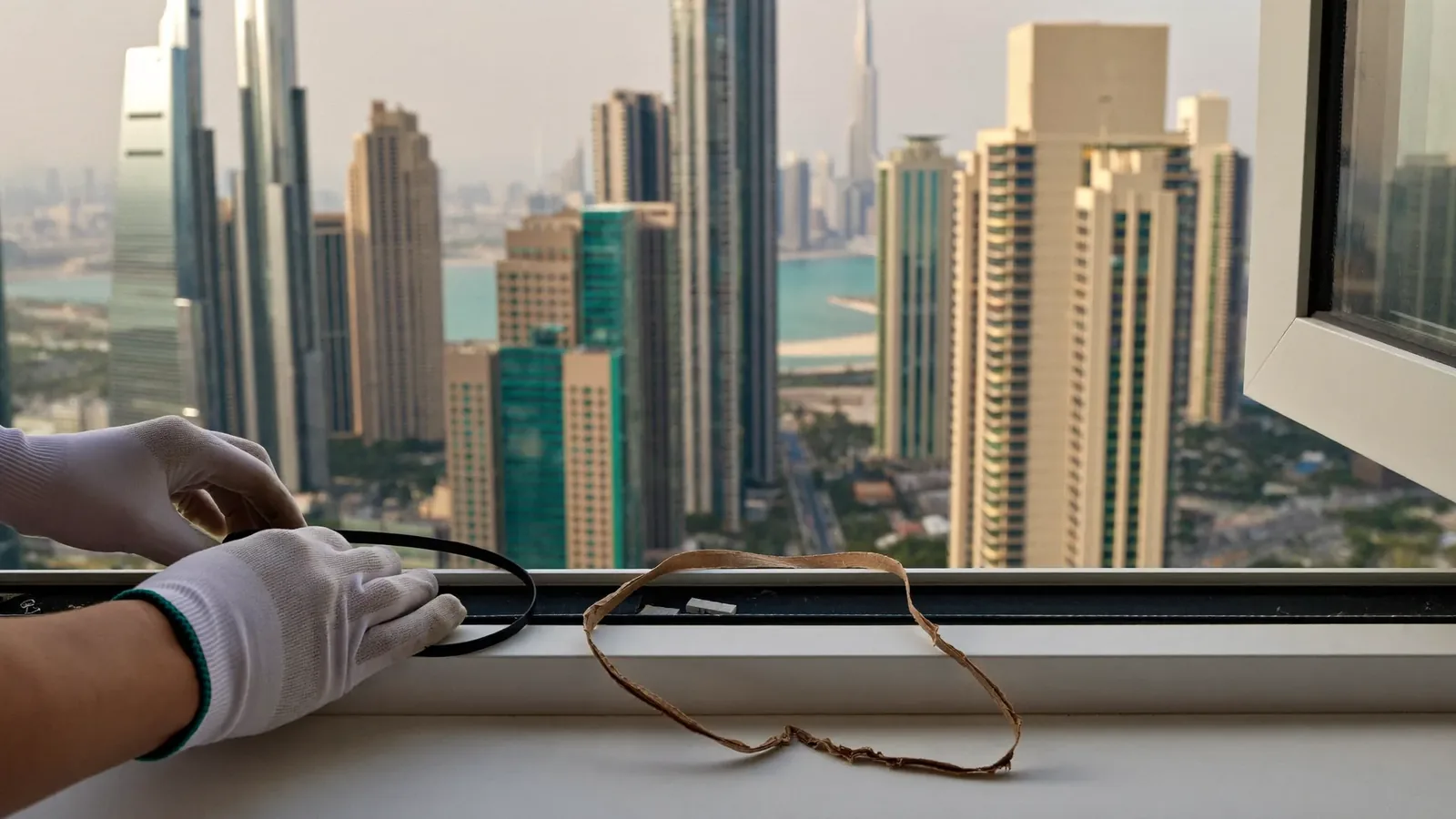
Three faults cover nearly every case. First, the seal itself. The interlock runs on a felt or brush strip rather than a rubber contour; instead of cracking it wears down, mats and sheds until the pile no longer touches the opposite panel. On sliding systems that felt brush seal wears out faster than rubber, which is why the interlock whistles first.
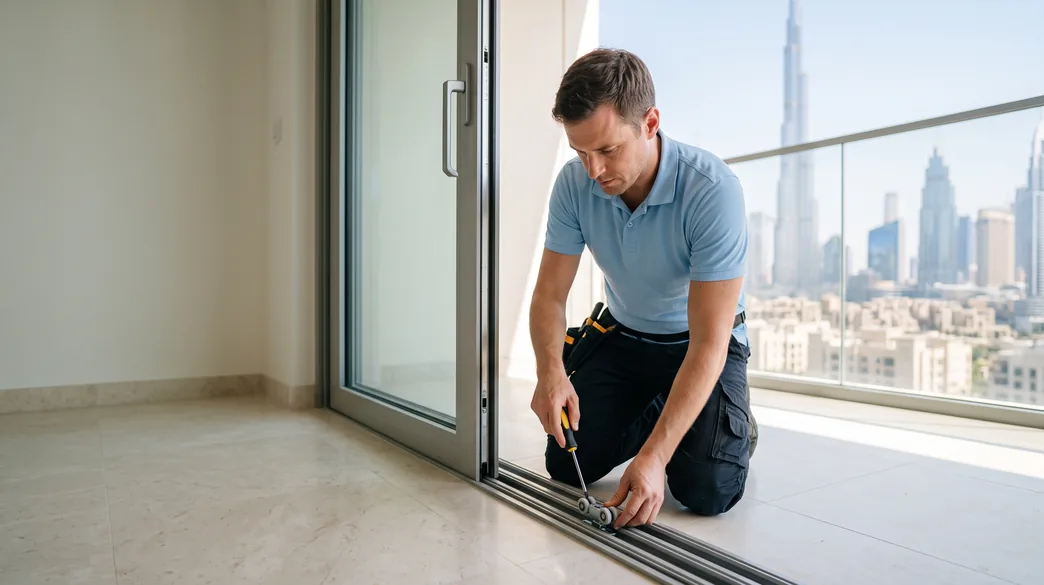
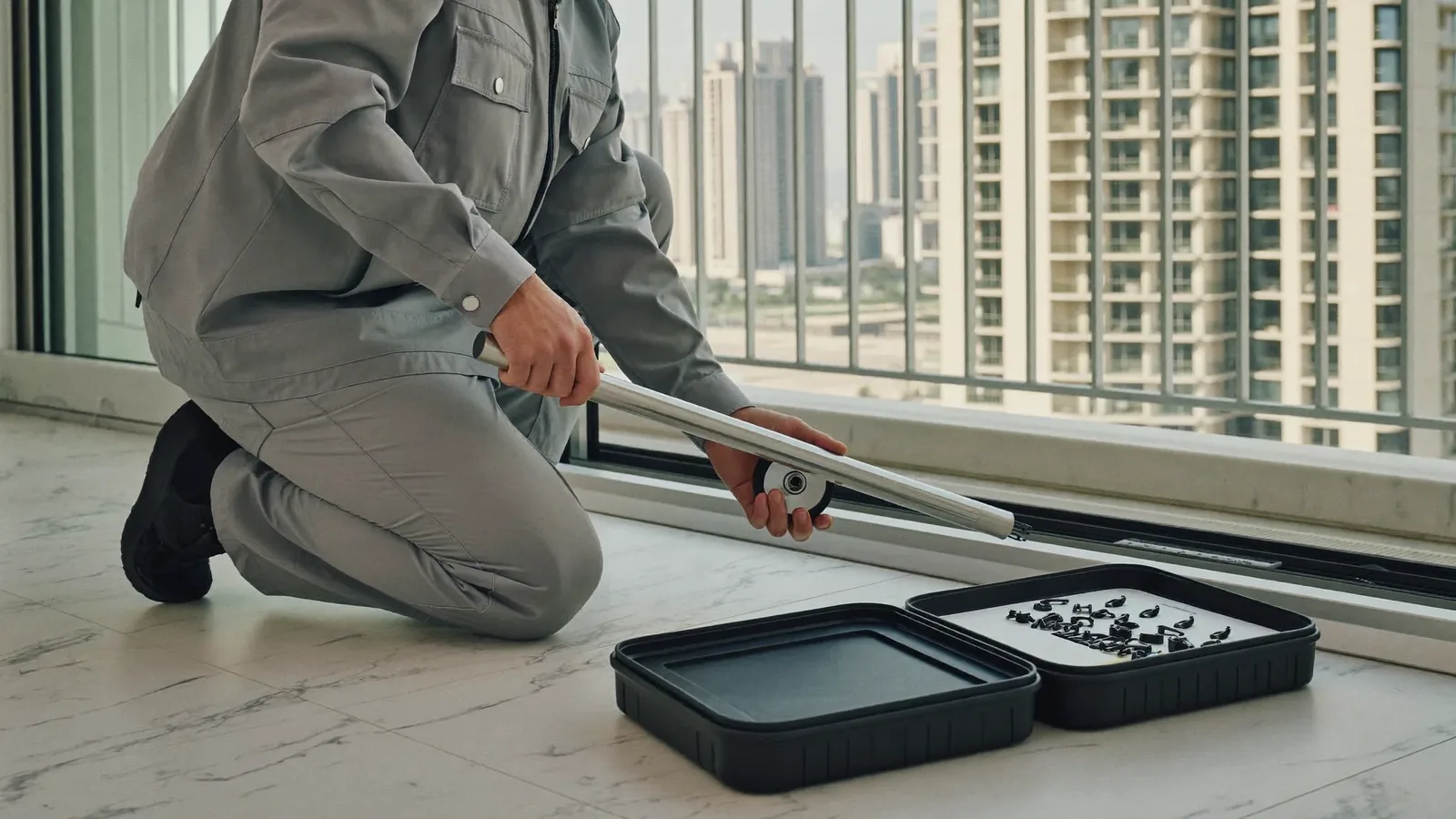
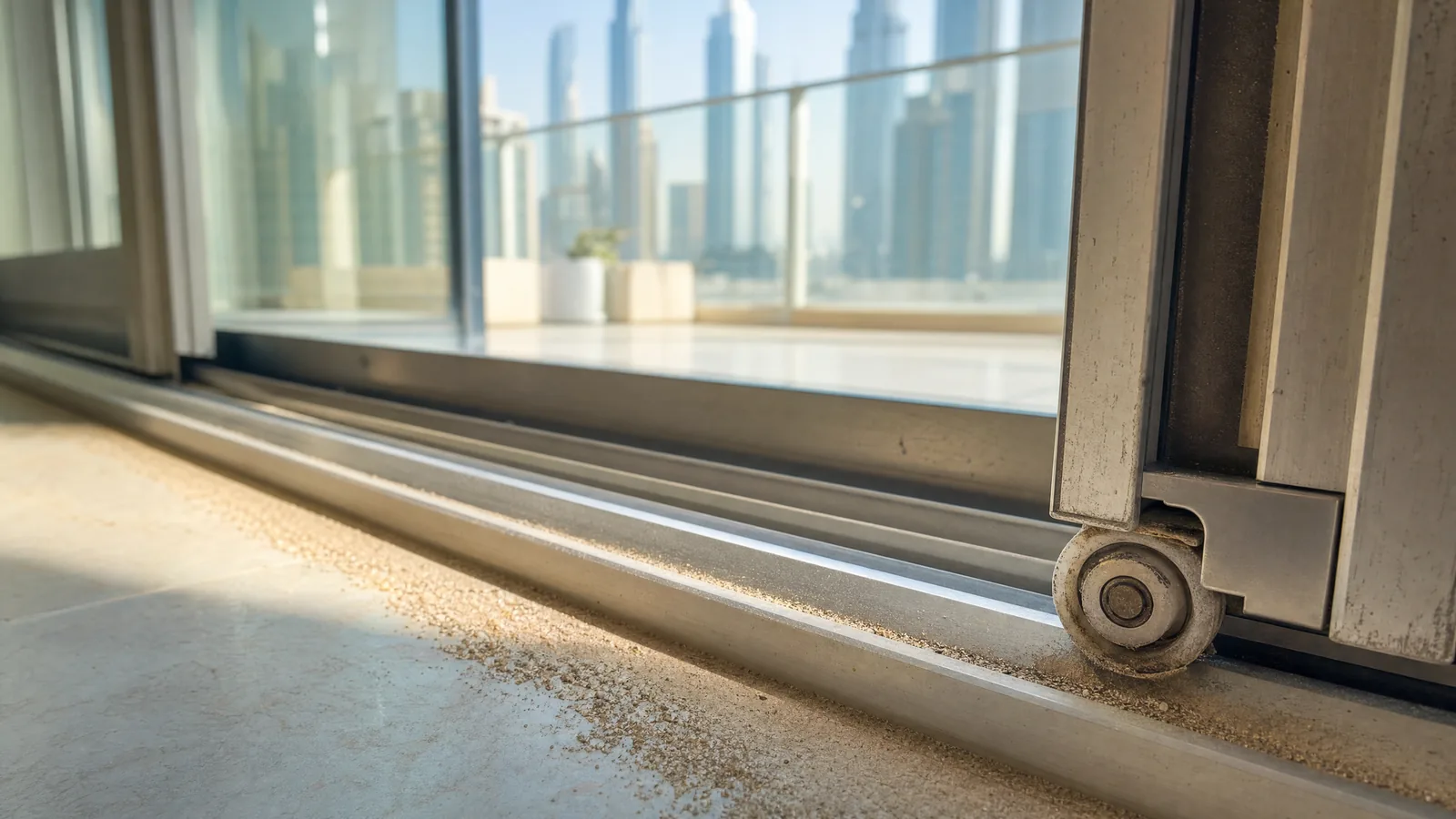
Second, lost compression. A window that no longer pulls tight often just needs its hinges, keeps or rollers adjusted so the seal actually compresses. A sliding panel dropped on worn rollers meets its partner at an angle, opening a wedge-shaped gap that no new brush can fill until the panel is re-levelled.
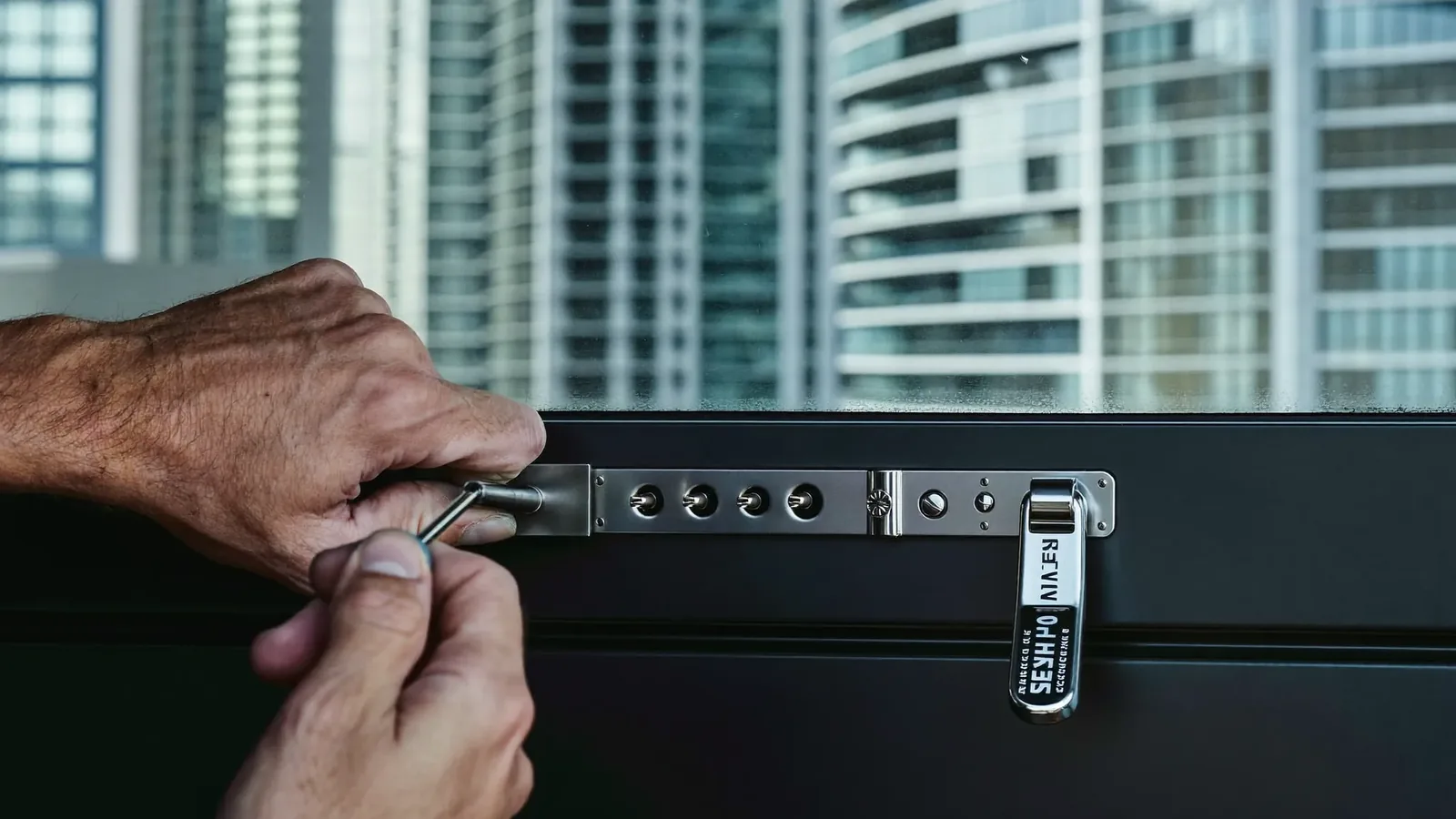
Third, the false mullion on hinged pairs: its fixings work loose, the post flexes, and the sashes never truly clamp in the middle even though both handles feel locked. Re-seating that post is a small job with an outsized effect.
A gap the air conditioner pays for
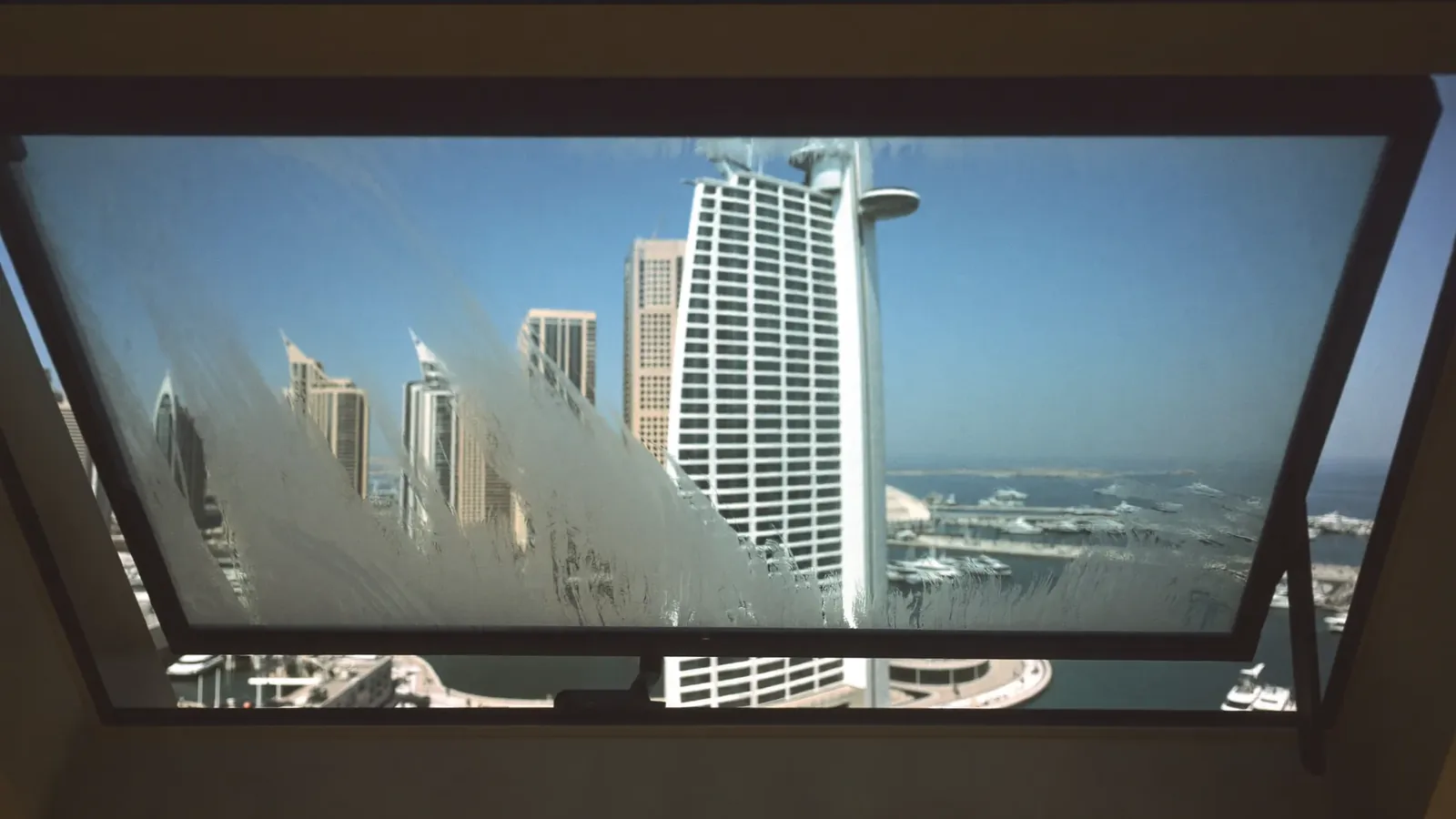
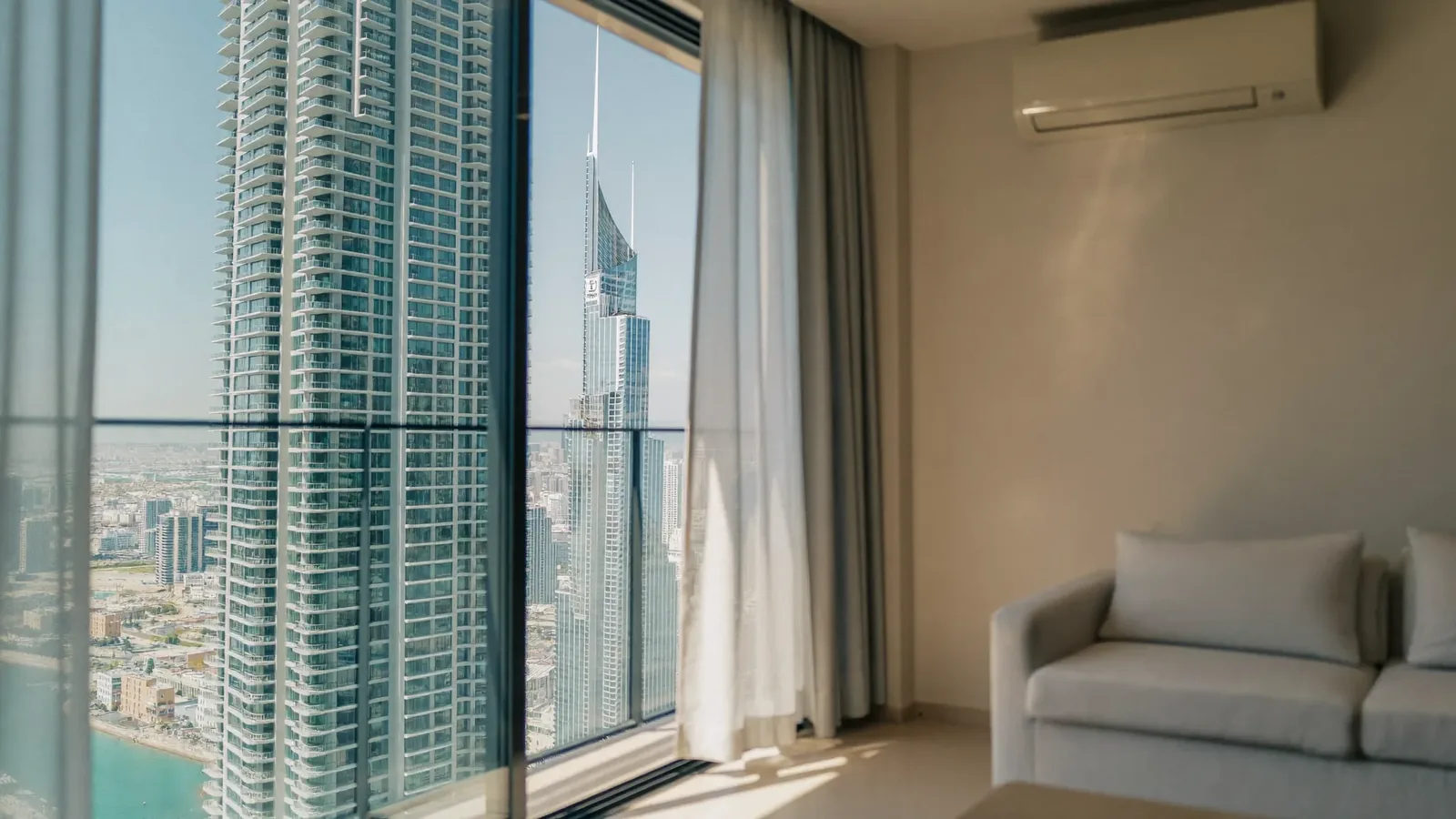
A meeting-stile gap is a running cost, not a comfort niggle. Cooled air leaks out through that line every hour the AC runs, so the unit works longer to hold the same temperature and the bill creeps up. The same slot lets in the fine dust that draws a grey line on the floor by the door, and passes street noise straight through. The test takes a minute: on a windy day run the back of your hand down the joint or hold a tissue against it; movement or a cool thread of air means the stile is open.
The honest order of repair
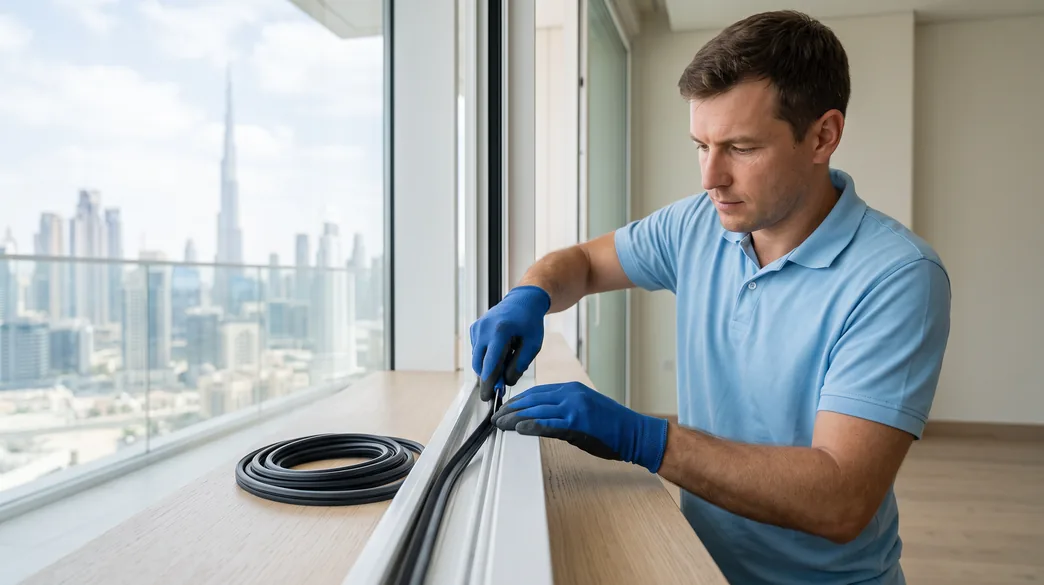
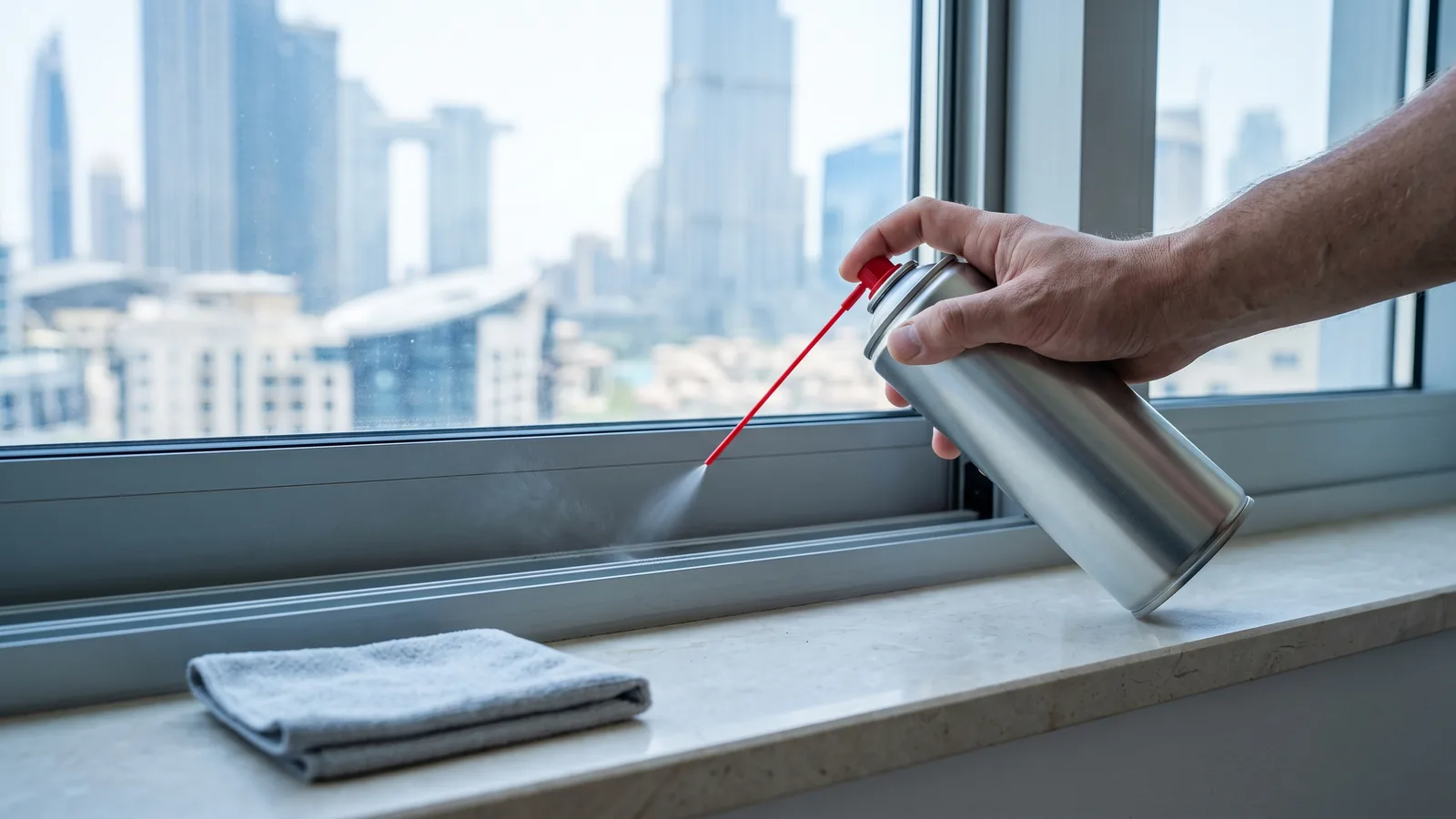
Seal first, adjust second, replace almost never. We cut out the worn strip and fit new pile of the correct height and density, or new rubber where the system uses it, then adjust the rollers, keeps or hinges so the sashes compress the new seal. On the price list that is Seal Restoration at 20 AED per m² and Window Sealing at 100 AED per window, confirmed at the free on-site assessment. The full job is on our window sealing and draught-proofing in Dubai page. If a sliding panel has also dropped, grinds or jumps its track, rollers and track are put right in the same visit, see sliding door and window repair in Dubai.
We have sealed and adjusted Dubai windows since 2014. From Al Barsha we reach most of the city in around 30 minutes, the line on +971 50 220 6918 answers 24/7, and every repair carries our 2-year warranty. More guides on the blog. Get a free quote.